After decades of destruction, nature here has been given a second chance - Where once brown coal diggers dug into the depths, there is now a 3,300-hectare natural paradise of bizarre dunes and vast lakes.
We are Farina and Sascha - freelance nature photographers and authors who take their home with them wherever the wilderness calls. Heinz Sielmann has been one of our great role models for many years. His films have inspired generations to love nature. To be able to be present on areas that bear his name today is something special for us. Wanninchen is located in the Niederlausitzer Landrücken nature park. This place impressed us with its biodiversity, but also with its history and the question of what happens when nature is given space again after a period of destruction.
The metamorphosis: From ecological disaster to wilderness area
From 1975, the Schlabendorf-Süd brown coal mine ate its way through Lower Lusatia. Large parts of the landscape were mined away - forests, moorlands, fields and water bodies disappeared. Entire villages had to give way to the mine. The original village of Wanninchen was also almost completely demolished in 1986; its inhabitants lost their home. Only one house remained - today it houses the Heinz Sielmann Nature Experience Centre Wanninchen.
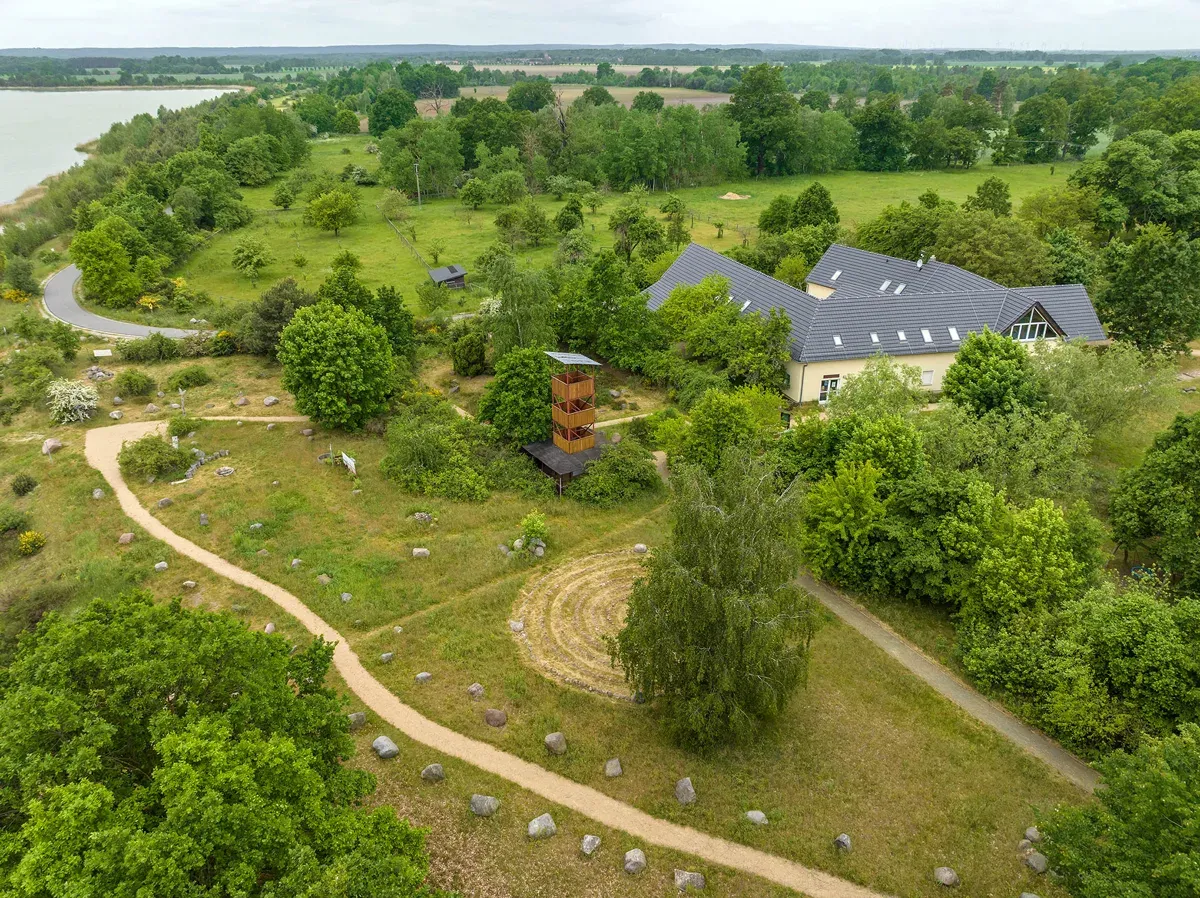
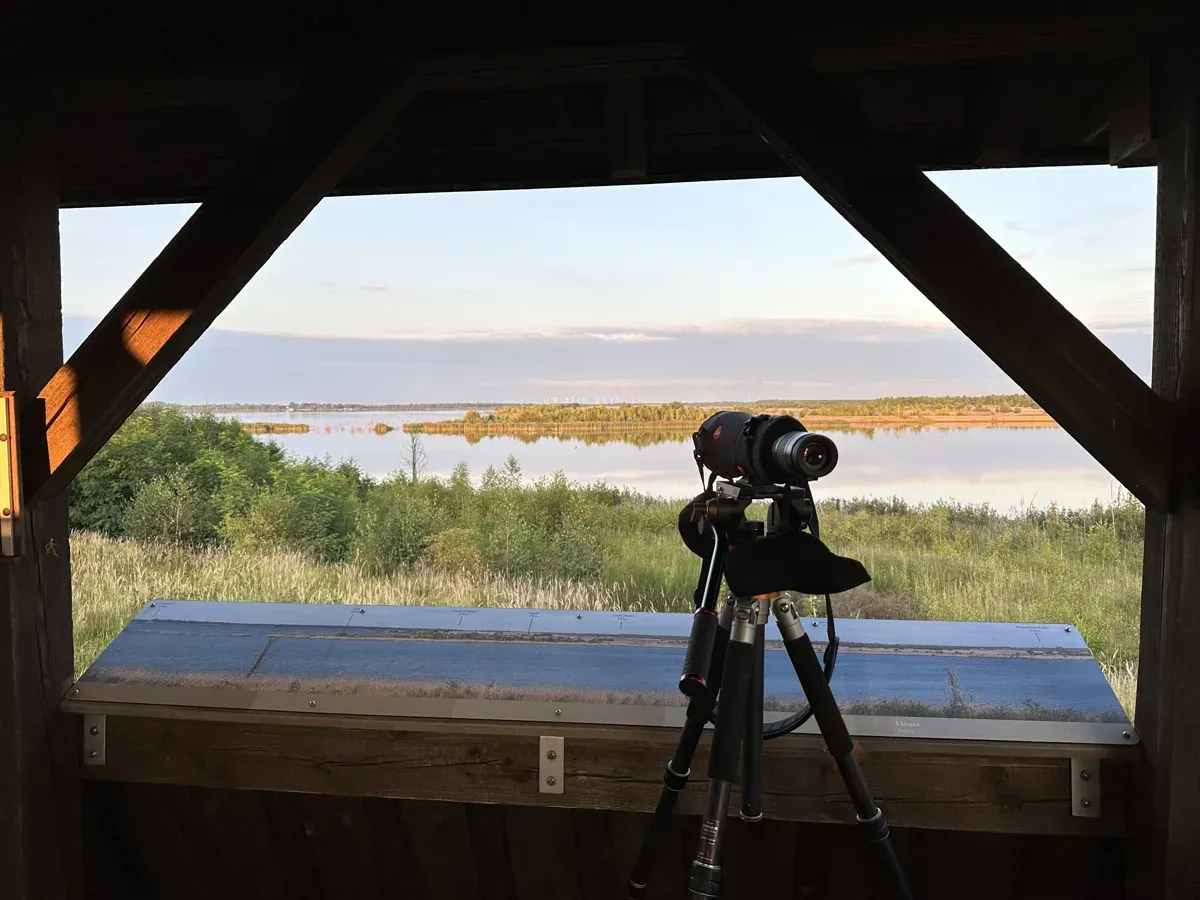
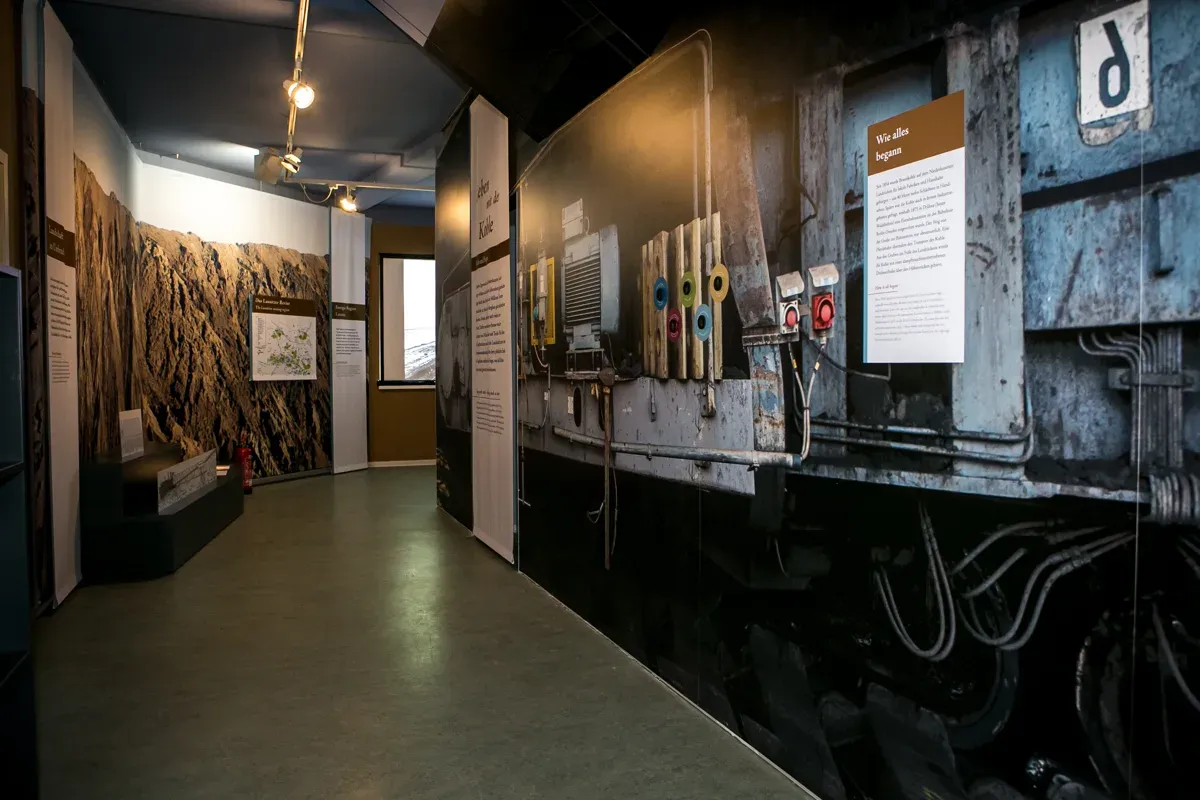
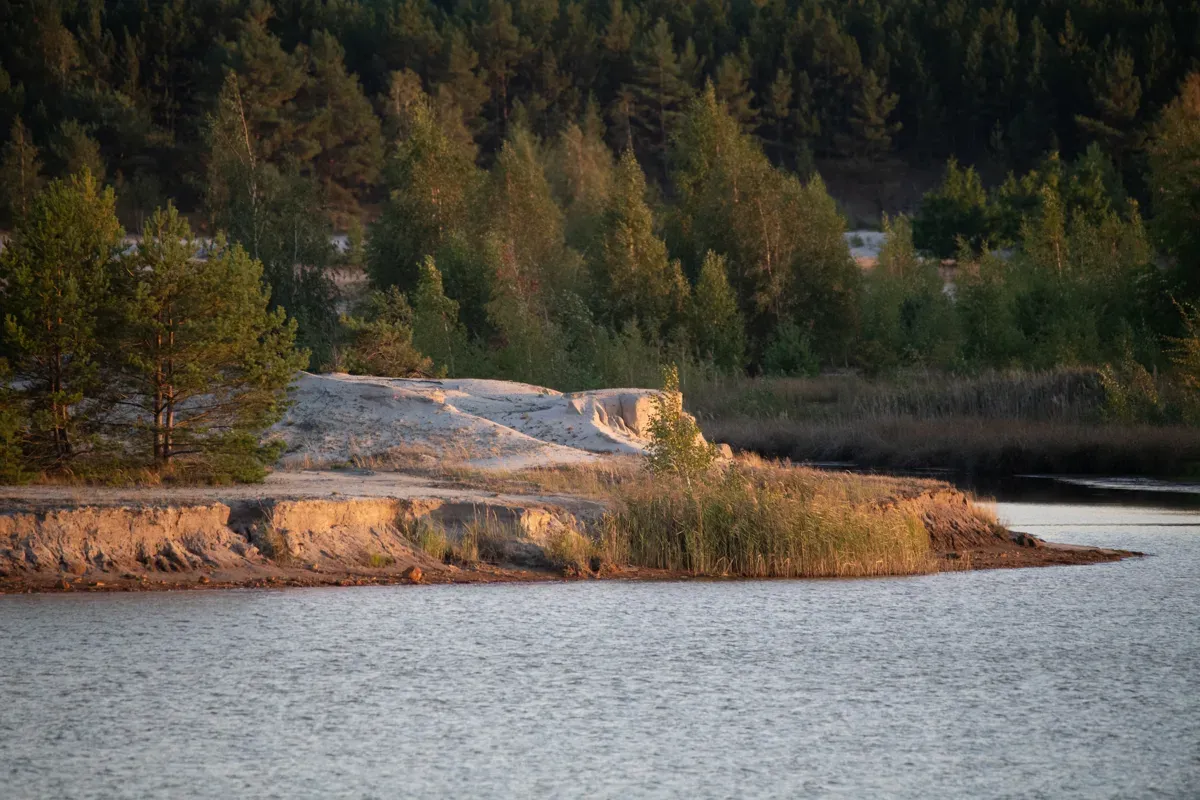
When the mine was closed in 1991, a profoundly changed landscape remained. Open sand areas and rugged dunes met artificial reliefs and residual mine pits. A place of extremes, where specialized species had their chance.
In 1999, the wildlife filmmaker Heinz Sielmann visited the former mining area together with his wife Inge and was impressed by the development. Only a year later, they signed the purchase contract for the first 722 hectares of land around Wanninchen with their foundation. The vision was to enable a natural development of the landscape on a large area. Further areas were added, so that the natural landscape grew to more than 3,300 hectares.
With the rise of groundwater, the former residual mine pits filled up; large water areas such as the Schlabendorfer See emerged. From a landscape shaped by excavators and conveyor bridges, a mosaic of lakes, dunes, forests, moorlands and open areas was created.
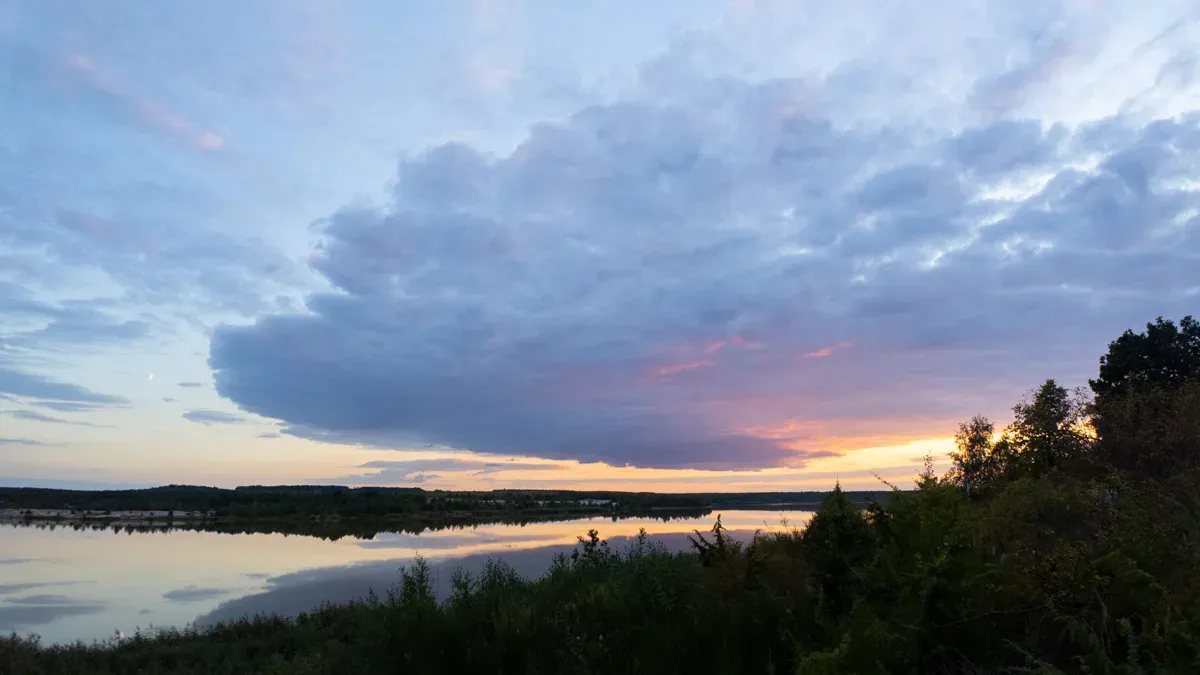
Our adventure in Wanninchen: The awakening of the cranes
Our camper was parked near the nature experience centre. Even before sunrise, we set off with our cameras. We were waiting for the moment that draws many people to Wanninchen every autumn: the cranes' morning departure.
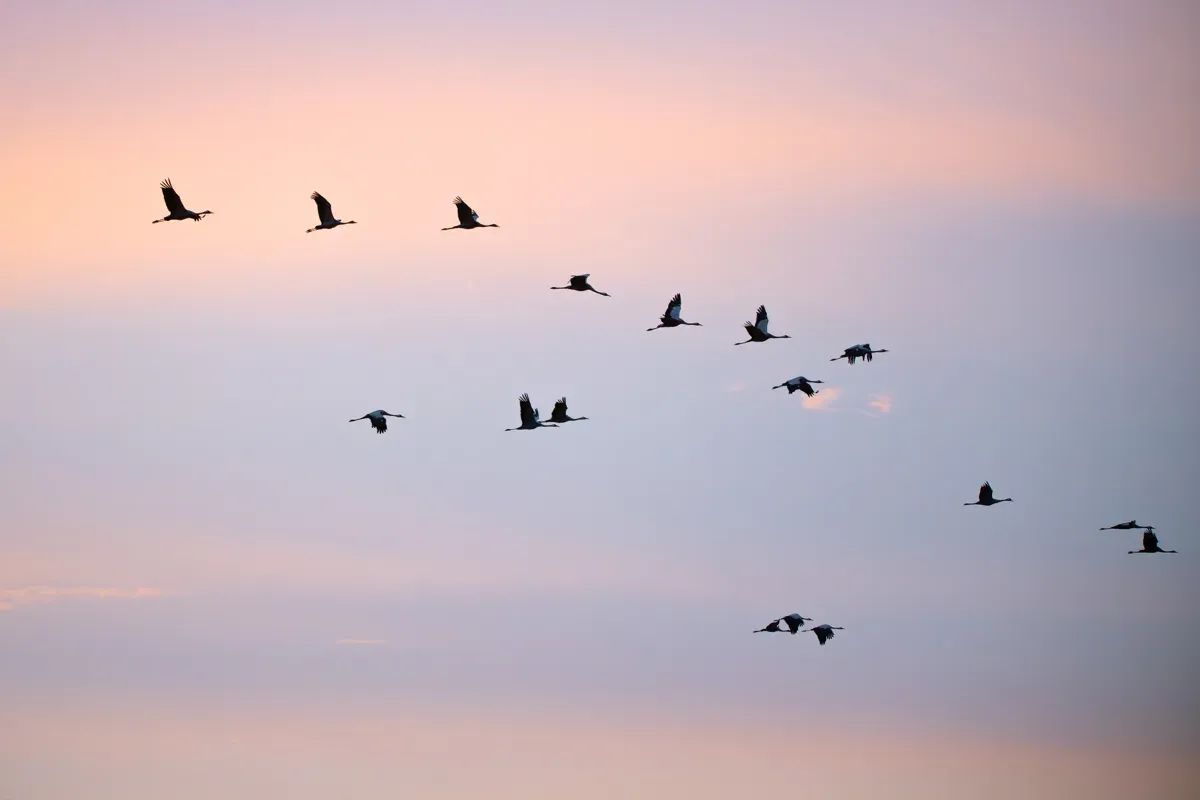
Initially, individual calls penetrated the darkness. With the first light, there was movement at the roosts. Cranes rose from the shallow water and the first groups flew over us. Before the brightening sky, their silhouettes were visible. Thousands of cranes stay here in autumn during their migration. In the morning, they leave their roosting waters and fly to the surrounding feeding areas. For us as photographers, it was an incredible moment: the trumpeting, the first warm light and the large birds over the landscape.
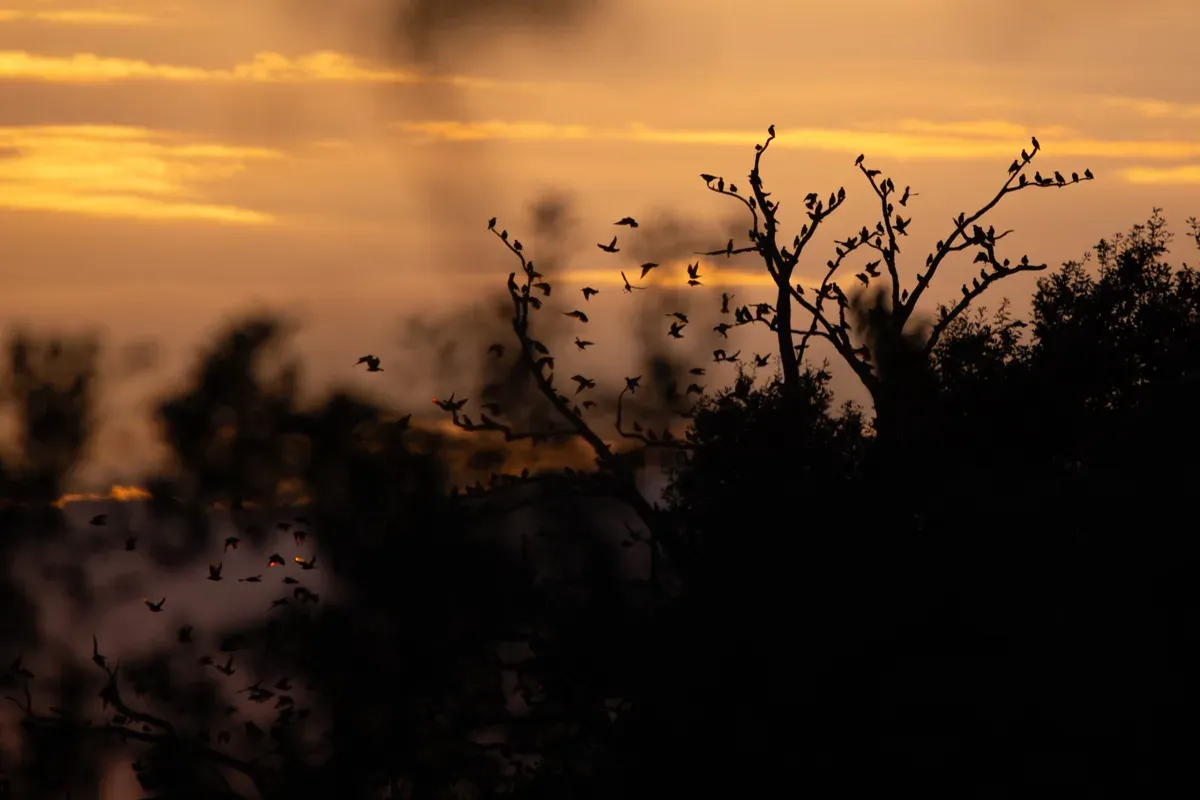
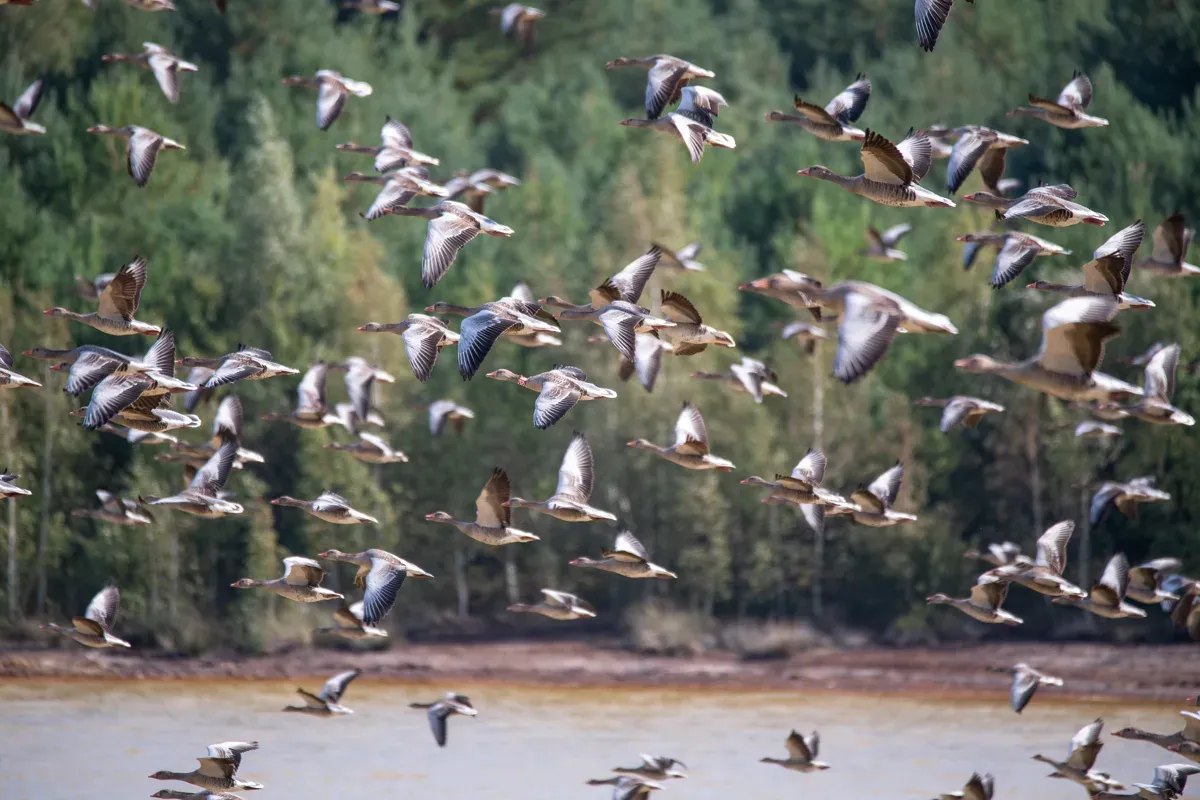
With loud chirping, further, smaller migratory birds gathered nearby: The starlings moved like a single organism over the landscape. Their flock constantly changed its shape and finally disappeared at the horizon. In total, there were about 15,000 of them. Around 8,000 greylag geese joined them. Again and again, large groups rose into the air simultaneously, turned a few times and landed again. It was one of those days when one stops counting the individual motifs.
A microcosm in the sand: The hidden rulers of the dunes
In the afternoon, we moved from the panorama to the detail. The open sand areas and dunes appear at first glance barren. For specialized species, they are valuable. Where nutrients are lacking, trees do not grow closed and the sun warms the sand, animals find living conditions that have become rare in our intensively used landscape.
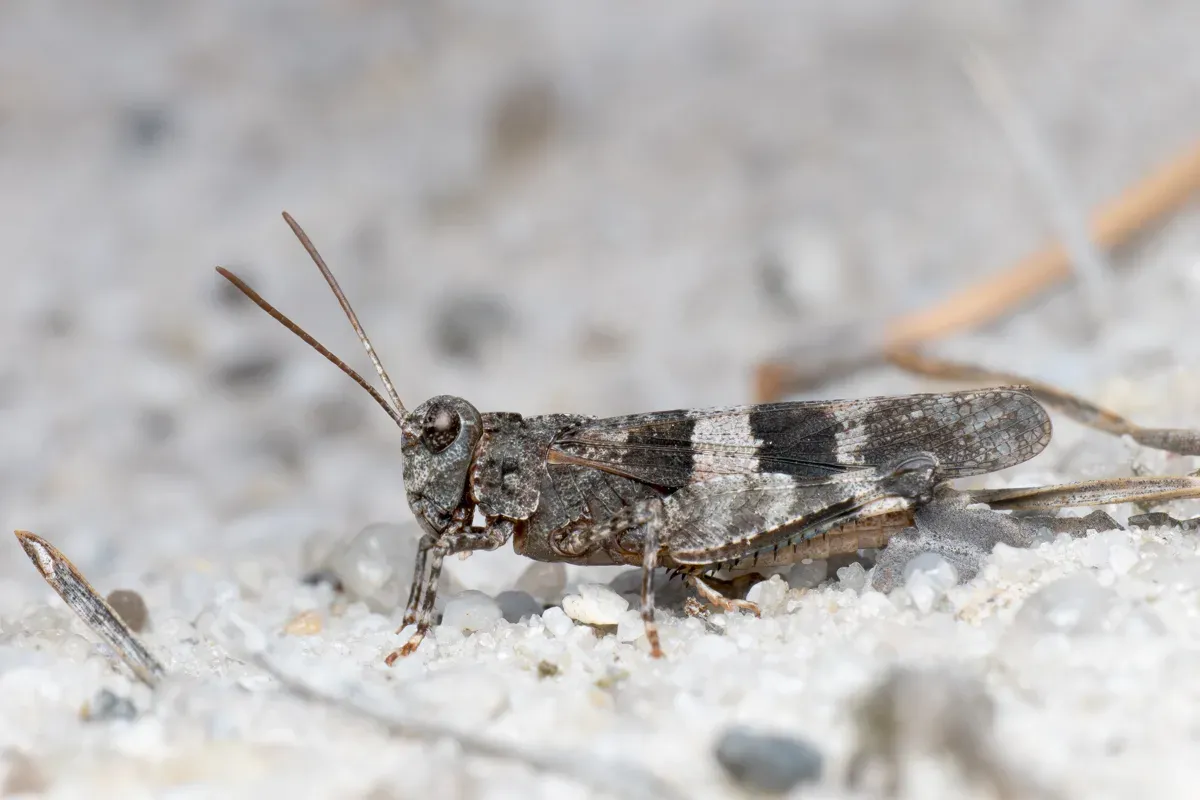
We discovered a northern dune tiger beetle. These animals are fast hunters and dart over the sand. In addition, we discovered the blue-winged sand grasshopper and the blue-winged grasshopper. Both are adapted to open, dry habitats. Their camouflage makes them difficult to spot on the sand. Only when they jump, they show their strikingly coloured hind wings.
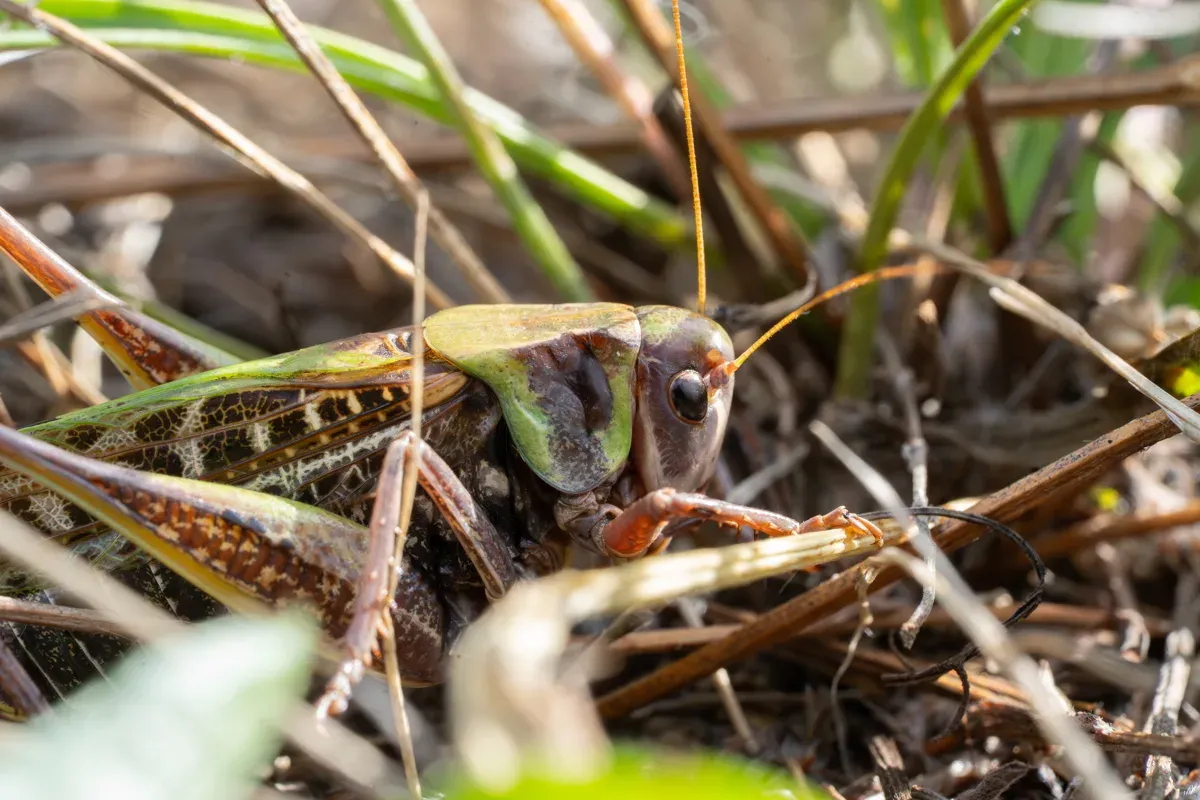
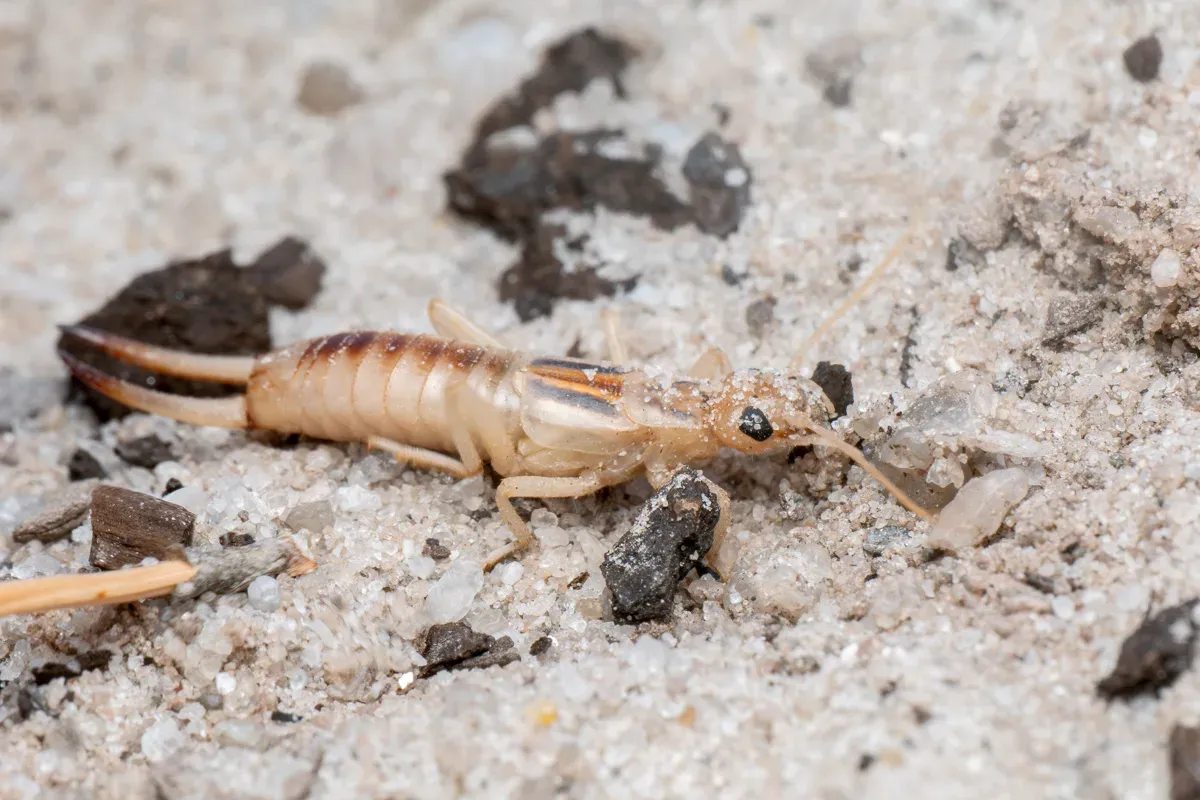
A highlight was the shore earwig, which depends on open, fine-sanded areas. In the denser vegetation at the edge of the sand areas, we finally discovered a wart-biter, a sturdy bush-cricket with impressive mandibles. Sometimes, it is the small details that fascinate.
Goosebumps in the evening light: The howling of wolves
As the day drew to a close, we returned to a viewpoint to photograph the evening crane flight.
Then it got dark. The calls of the cranes became quieter, the sky turned a deep blue and the landscape on the other side of the lake disappeared into the twilight. Suddenly, we heard something else: A wolf howled. The call was unmistakable. After a short time, another animal answered, and then another. For about a minute, we heard their voices from the darkness. We simply stood there and listened. When the calls stopped, we fell asleep happily.
The perfect ending: A meeting at the edge of the forest
The following morning, it was time to say goodbye. With full memory cards, we set off, but first we headed to a recently burned pine forest. We were looking for the black fire beetle, a species that specializes in fresh, burned wood. We didn't find the beetle. Instead, someone else found us.
While we were walking through the landscape, we suddenly noticed a shape behind a bush: a wolf. Just a few dozen meters away, he was hidden in the undergrowth, apparently watching us for quite some time. When he noticed that we had also discovered him, he retreated. We had only a few seconds to raise the camera. Only one photo was taken before he disappeared behind the bushes.
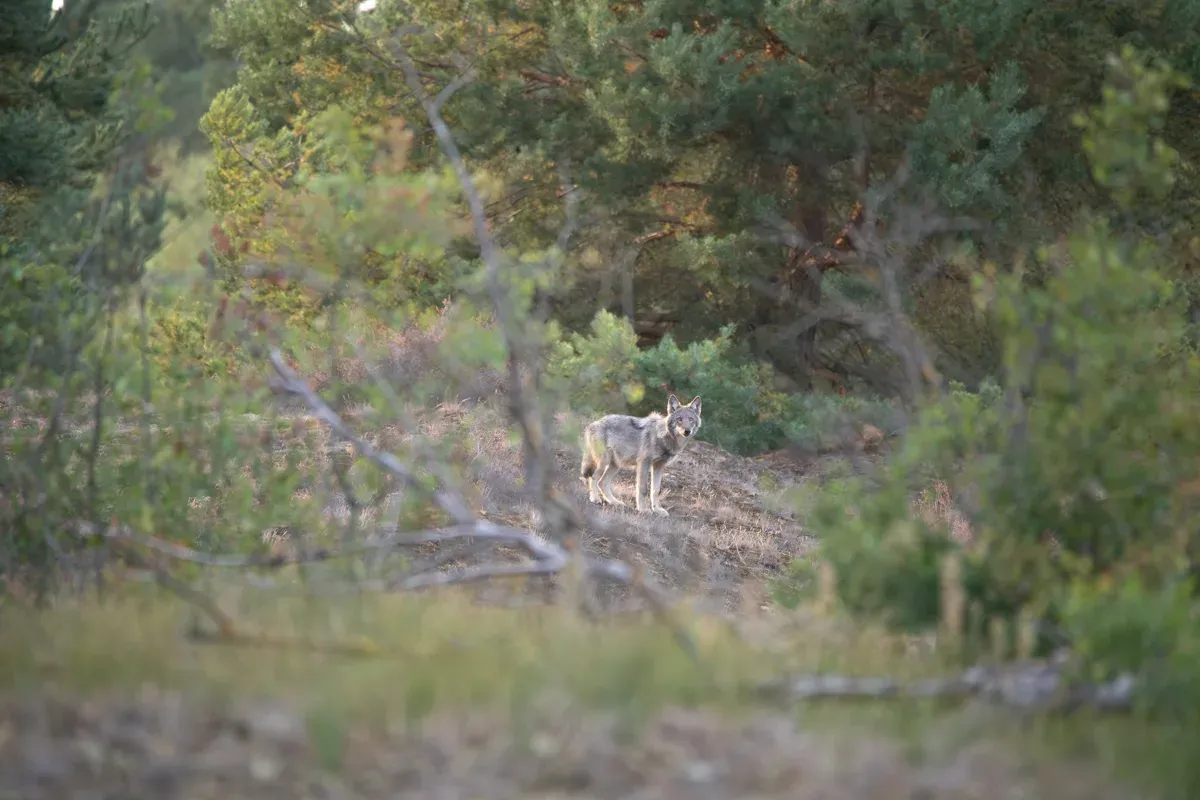
We had come to look for a small beetle. We did not find it. Instead, one of the largest wild animals in our native nature suddenly stood in front of us. Perhaps this encounter could not have been planned any better – and that is exactly why it could never have been planned.