The Culinarium Alpinum, a special location, is located in a former Capuchin monastery. It offers its guests not only a pleasant hotel stay in historic surroundings and excellent regional cuisine, but also, through the corresponding foundation, comprehensive knowledge of the original Alpine cuisine.
A place with a long history
The founding of the monastery in Stans, located in the Swiss canton of Nidwalden, dates back to a donation by Johann Melchior Lussy (1529-1606). In 1584, Capuchin monks moved into the monastery building that was built on his property. After a turbulent history, the monastery convent was dissolved in 2004 by the Swiss Capuchin Province, and the monastery complex with its 6500 square meters of land was sold to the canton of Nidwalden.
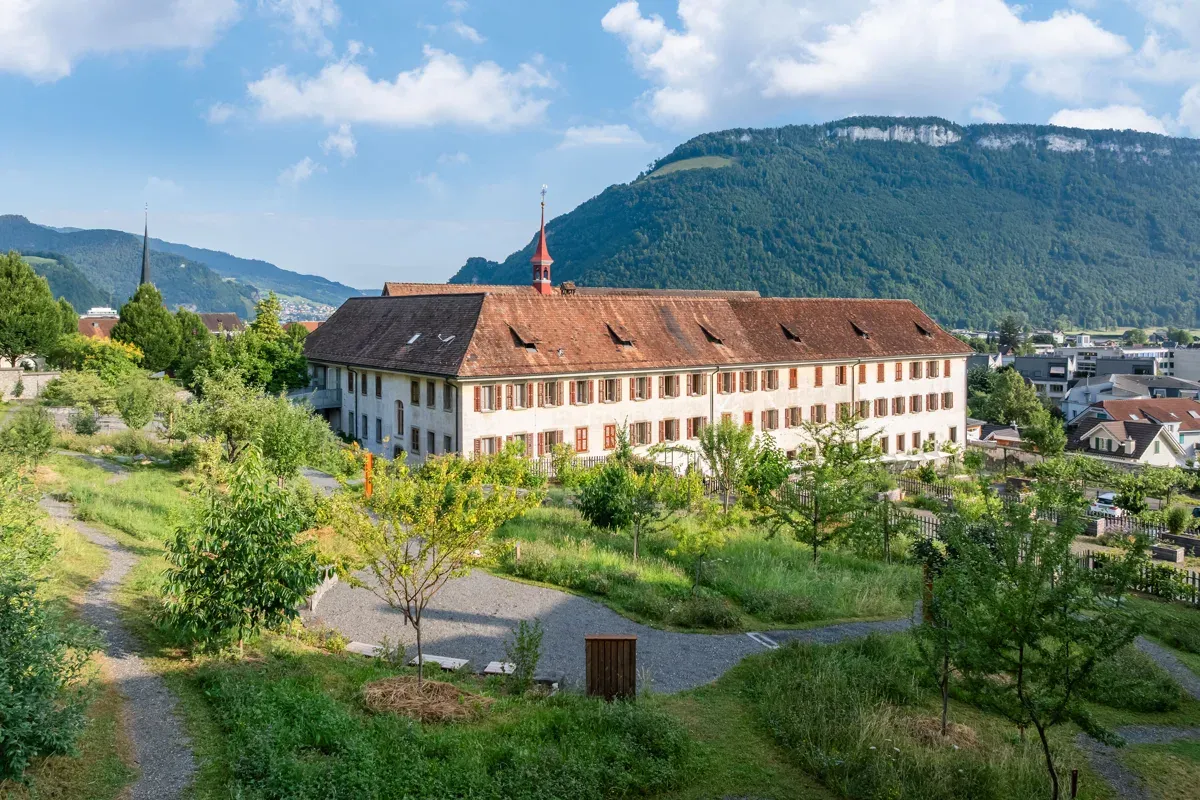
The Nidwaldner government granted the approval for the reuse of the monastery building and the garden in 2015 to an initiative that included, among others, the nutritionist and author of the book "The Culinary Heritage of the Alps," Dominik Flammer. Two years later, the non-profit foundation KEDA was founded, which was renamed Culinarium Alpinum in 2026.
Interdisciplinary approach to foundation work
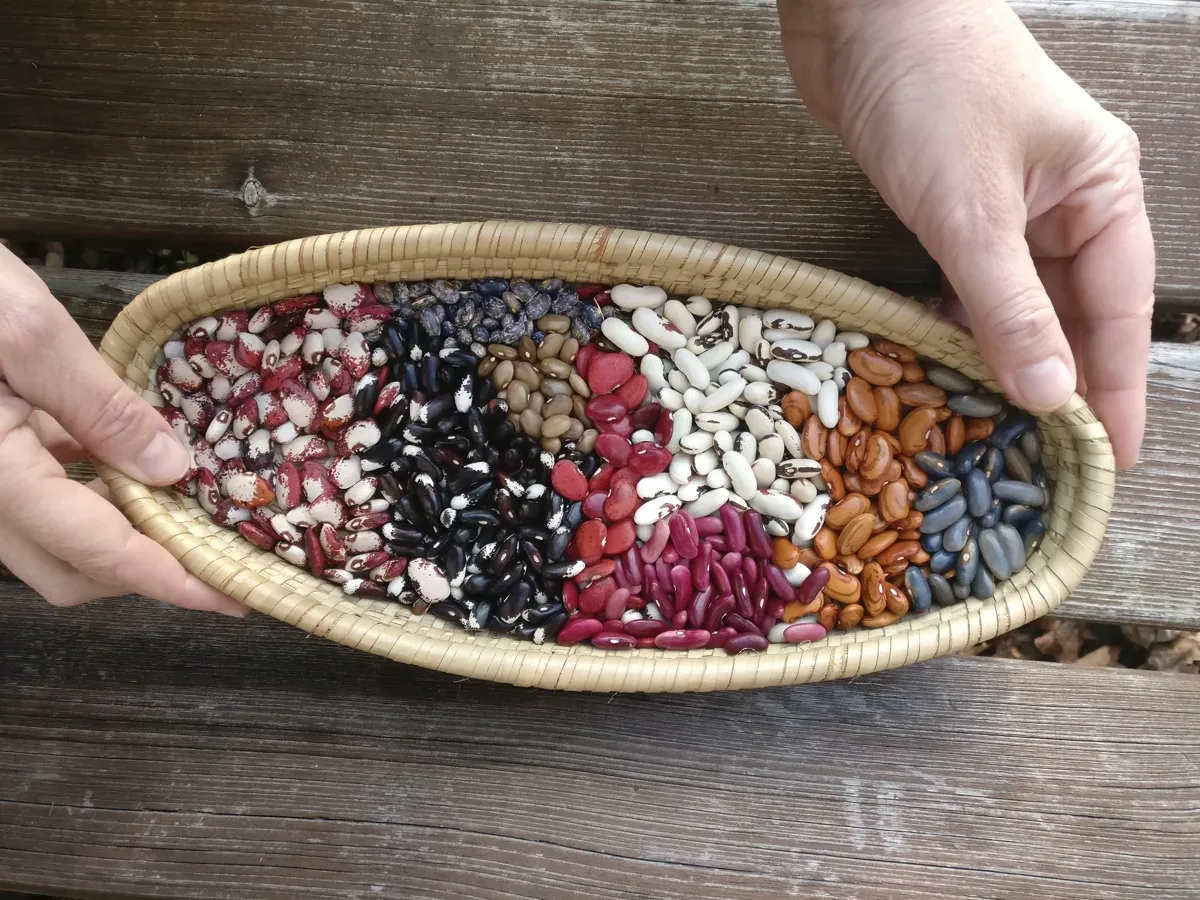
The central goal of the foundation is to create a place for Alpine cuisine in which farmers, restaurateurs, tourism professionals and associations can work together to promote regional, sustainable products and knowledge of the culinary culture of the Alpine region. The foundation initiates and implements projects that "serve the preservation, development and marketing of the regional biodiversity of small-scale farming, mountain and alpine agriculture and the locally-based food processing industry, as well as the preservation of genetic diversity in the Alpine region with its still existing 36 native cattle breeds, 2500 cheese varieties, 1500 apple varieties, 2000 edible wild plants and 35 indigenous grape varieties." A special concern is the preservation of genetic diversity in the Alpine region with its still existing 36 native cattle breeds, 2500 cheese varieties, 1500 apple varieties, 2000 edible wild plants and 35 indigenous grape varieties.
Our vision:
We make Alpine cuisine a global model for successful regional value creation and sustainable enjoyment.
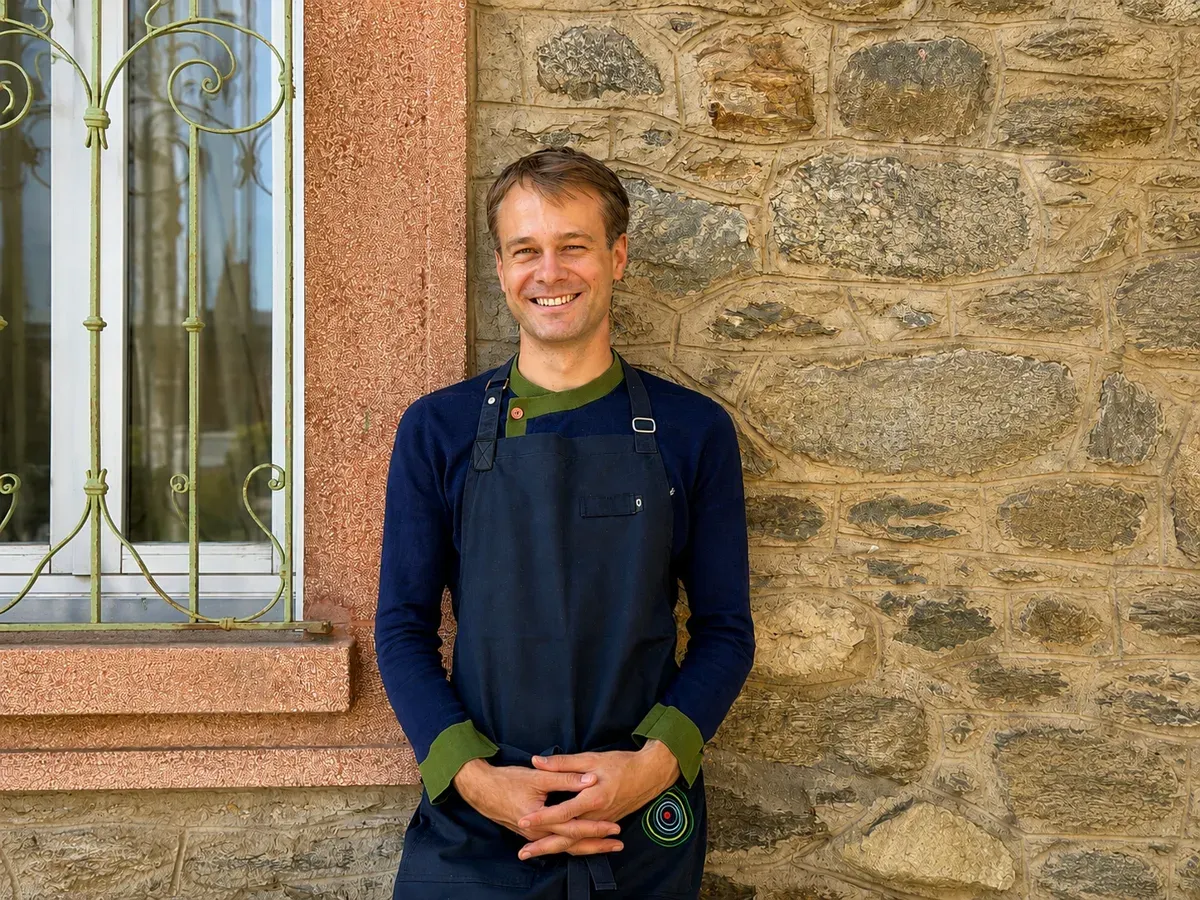
Andres Lietha
Managing Director of the Culinarium Alpinum Foundation
Special attraction: the "Edible Landscape"
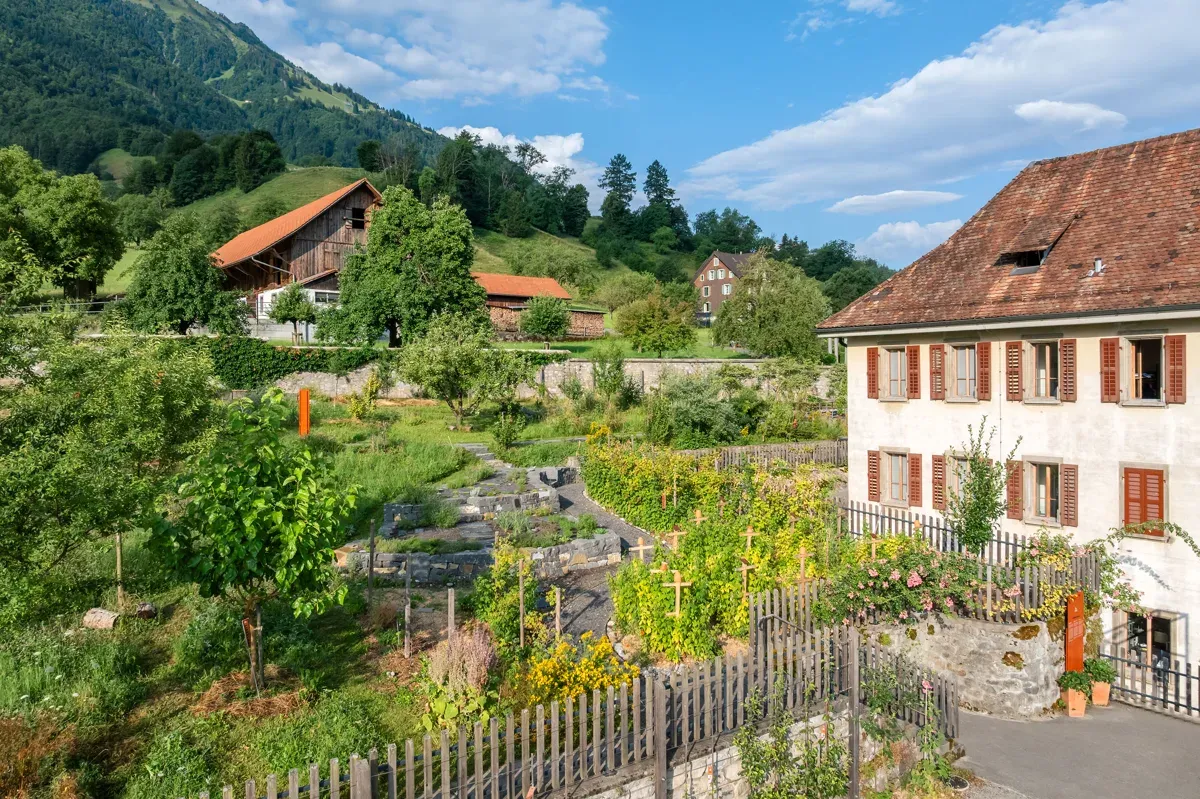
Locals and guests of the Culinarium find a great place for enjoyment and learning in the "Edible Landscape" directly adjacent to the monastery building. This garden area was created in cooperation with the Swiss Foundation for the cultural and genetic diversity of plants and animals, "ProSpecieRara". Visitors in this unique experience world can discover around 250 different fruit and berry varieties as well as an exceptional herb garden.
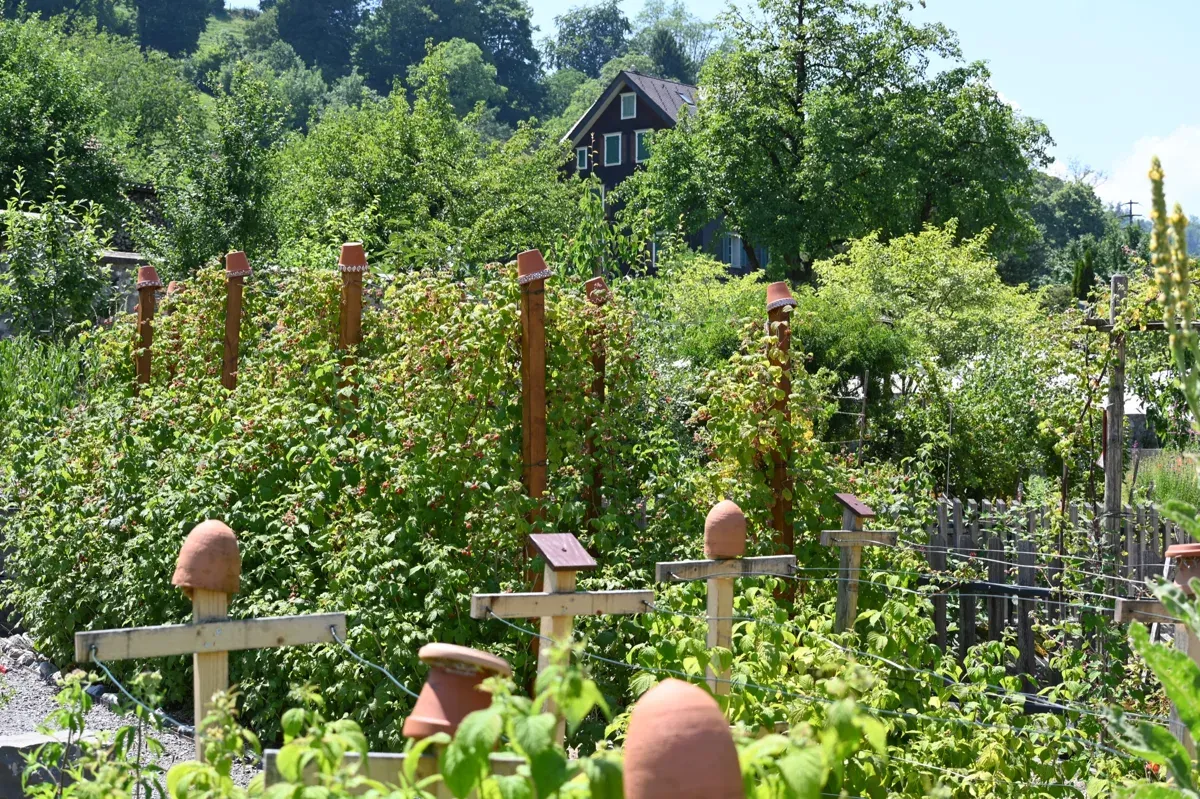
The area is divided into several sections, where some plants thrive in the shade, while others come from other continents.
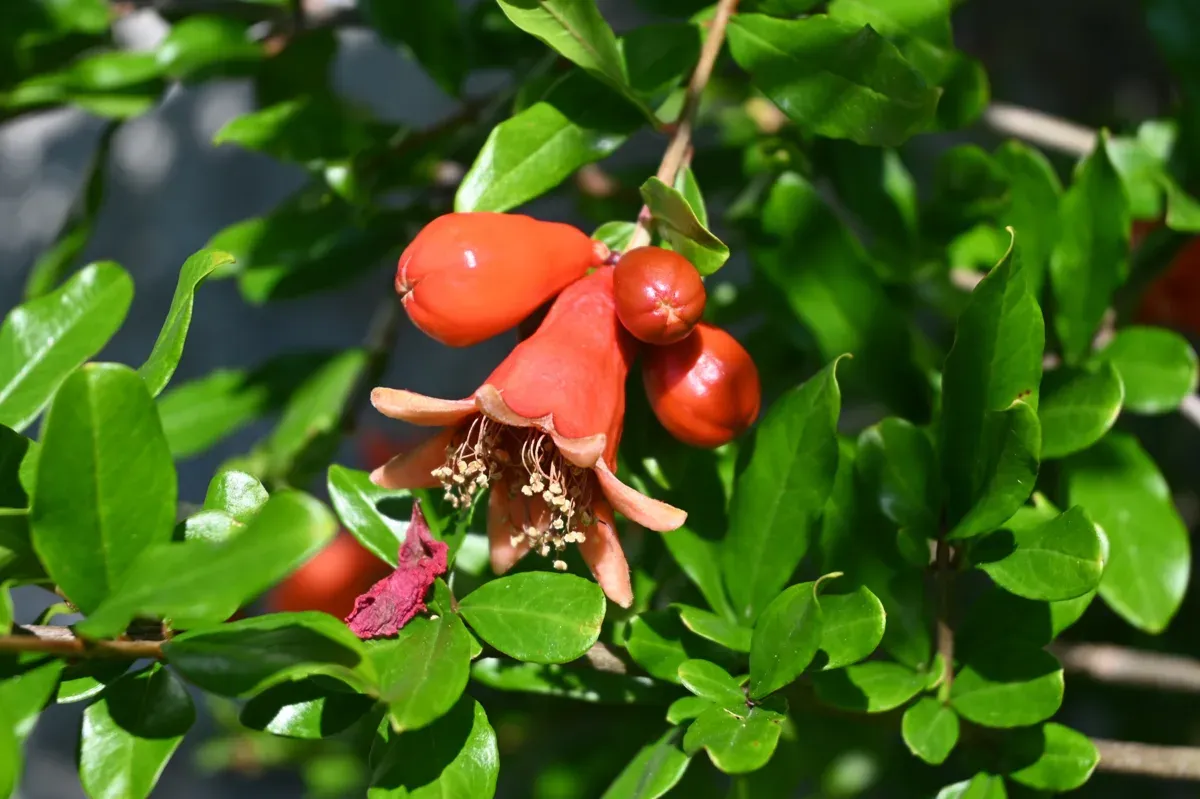
The "Edible Landscape" is divided into eleven sections. We list some of the plants that can be found there:
Shady: with wild strawberries, woodruff and - new - a mushroom garden.
Meadow orchard: with plum trees, apple trees, sour cherries and quinces.
Wild fruit bushes: with mallows, cherries, roses, rowan, hazelnut and alder.
Rare varieties: with three-leaf lemon, Sichuan pepper, Chinese date and Ché (Cudrania tricuspidata).
North wall (hot location): with fig, Nashi, pomegranate and insect hotel.
Various rows along monastery walls with 30 different pear varieties.
Parking bed: with over 20 different edible plants such as Kakibaum, Nanking cherry, pillar plum, olive willow, elderberry and strawberries.
Herb bed with perennial herbs such as thyme, rosemary, lavender, chives, oregano, curry leaf, rue, sage.
Herb bed with annual herbs such as coriander, stevia, dill, chives, fennel.
Raised beds with edible flowers such as purslane, cornflower, marigold, dahlias, chickweed, phlox, borage.
Ruderal area at the fire station entrance with various wild plants for dry and nutrient-poor locations (important for native plants and insects, promoting biodiversity).
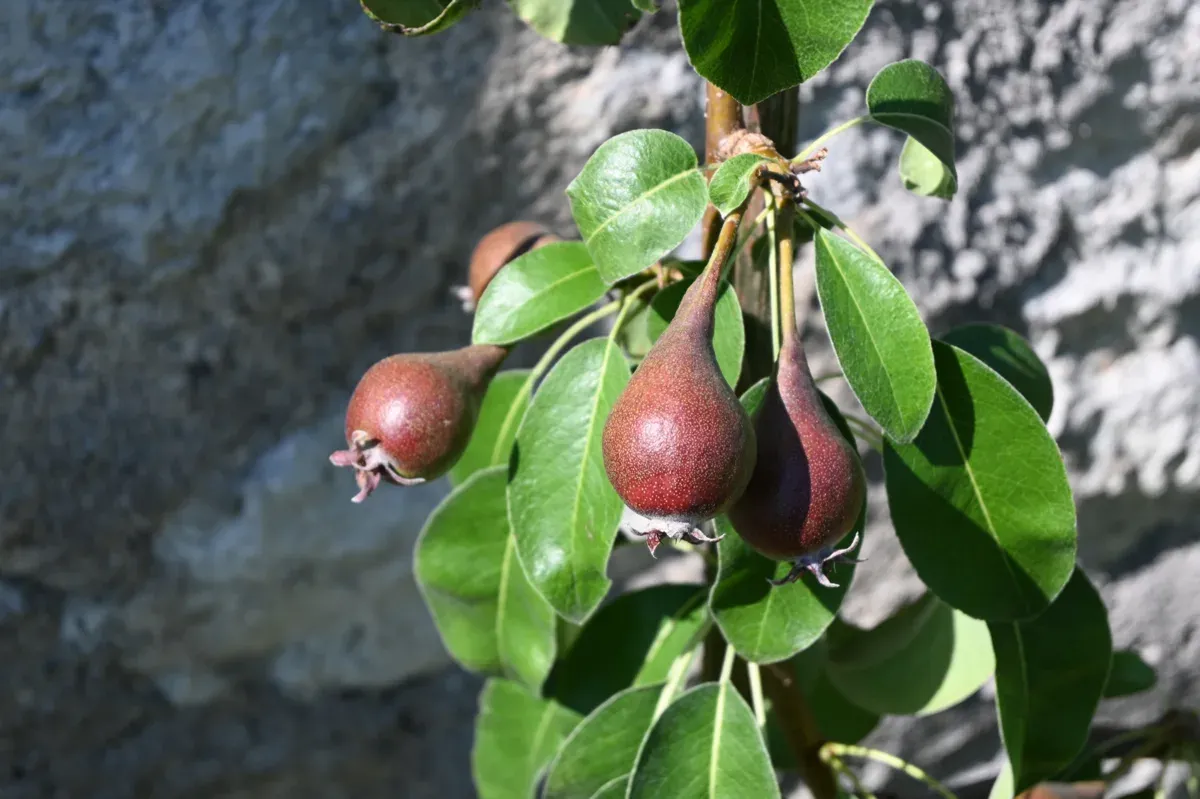
Anyone who joins a "NaTour" guided tour through the public edible garden will learn about alpine biodiversity, old crops and their use in the kitchen, guided by members of the team or a personal media guide. The exploration of herbs, berries and edible wild plants with all the senses is led by members of the team or a personal media guide.
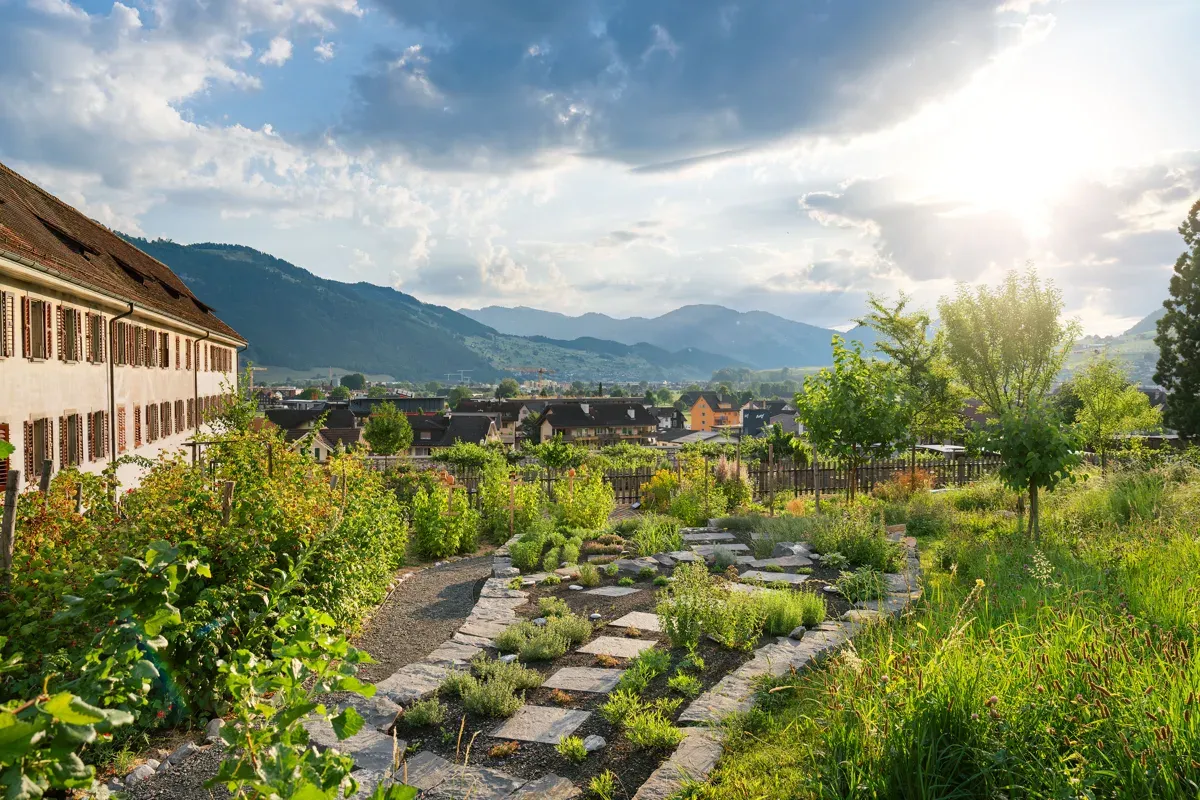
We were able to enjoy a fascinating tour with the gardening manager Sabine Mensch, who, together with her colleague Pius Estermann, takes care of this impressive and constantly evolving world with great commitment and expertise.
A special highlight was also the culinary walk with the herb and wild plant expert Margreta Krummenacher, who showed us that surprisingly many flowers, leaves and fruits are edible - and also what they do in the body.
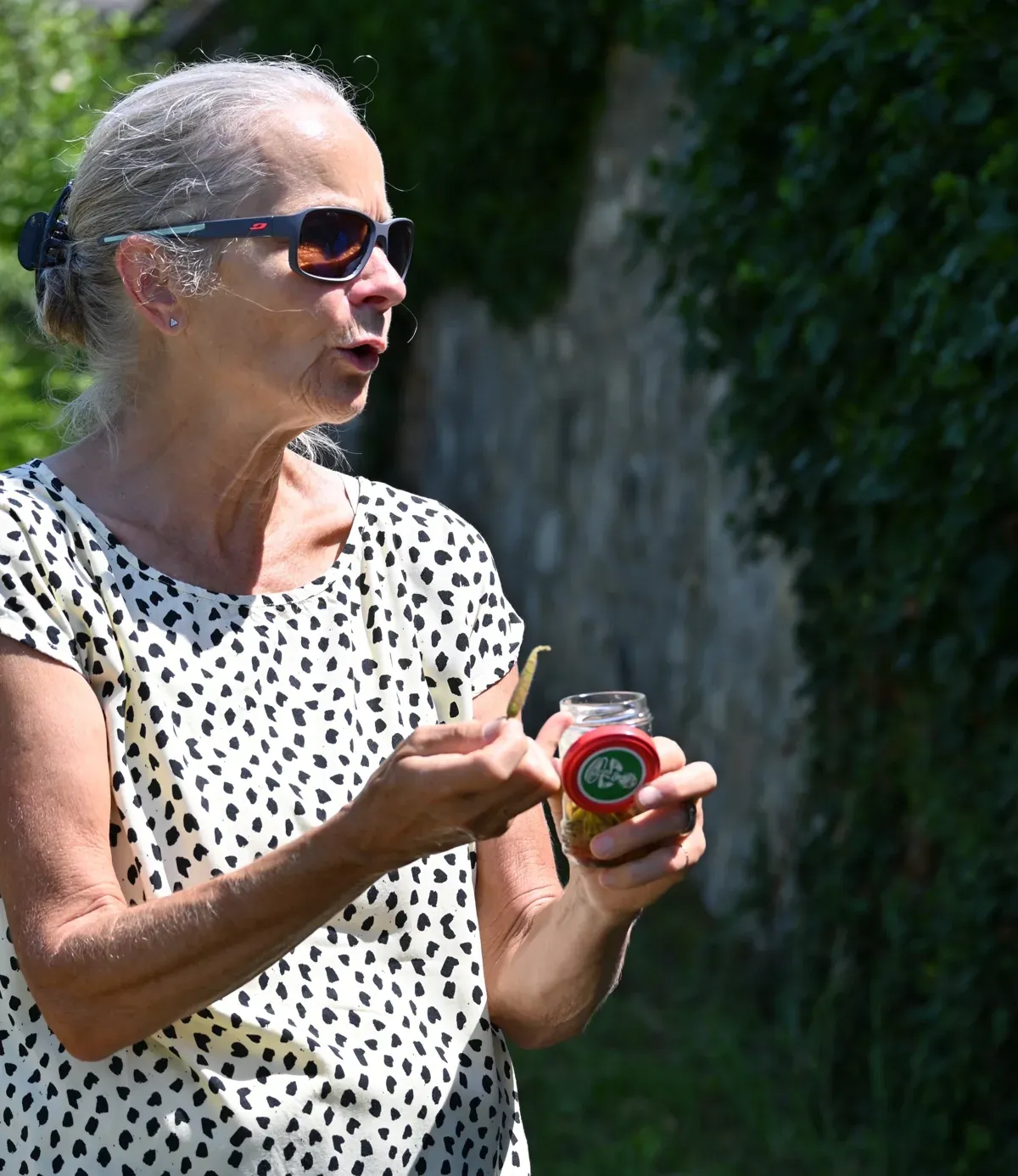
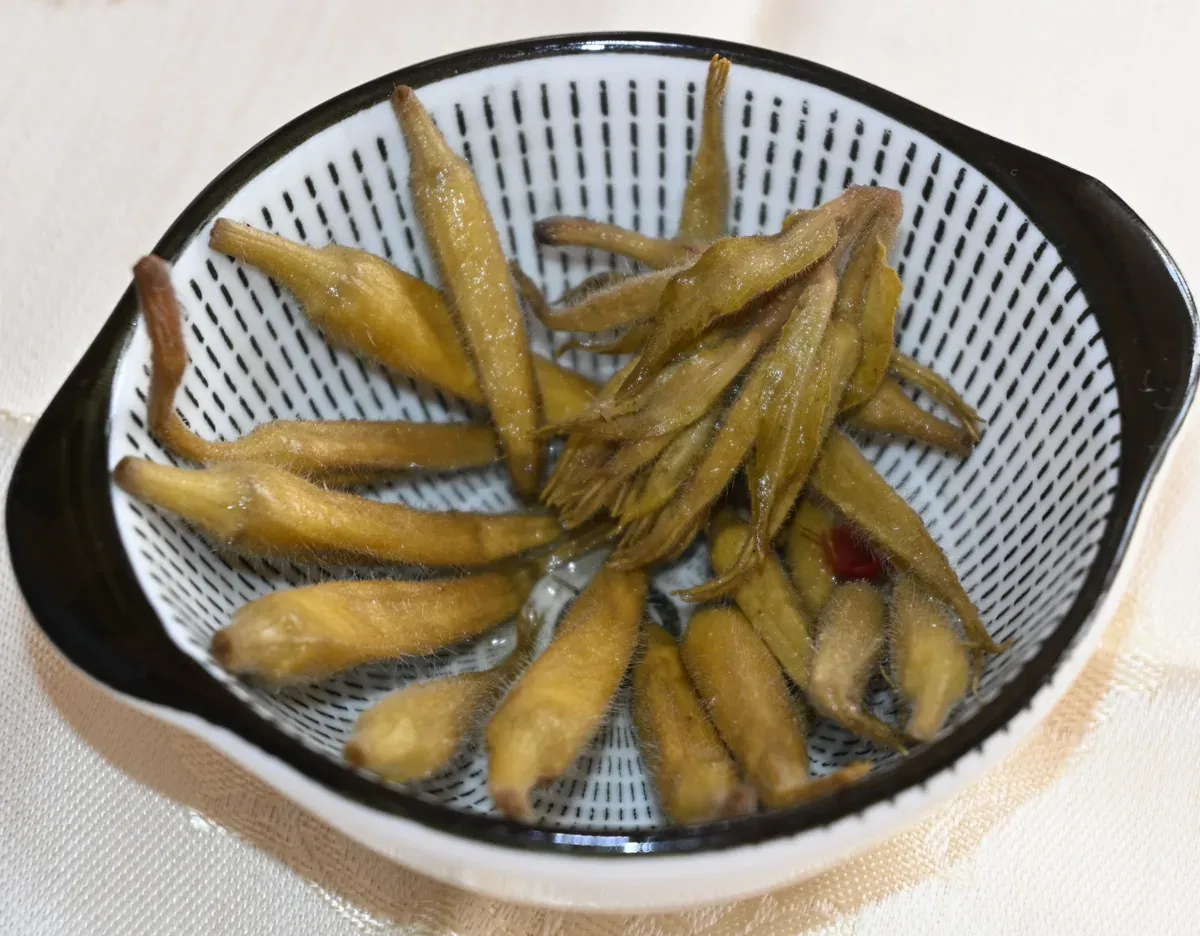
For example, she let us taste the buds of the evening primrose and explained the various possibilities of their use in wild herb cuisine.
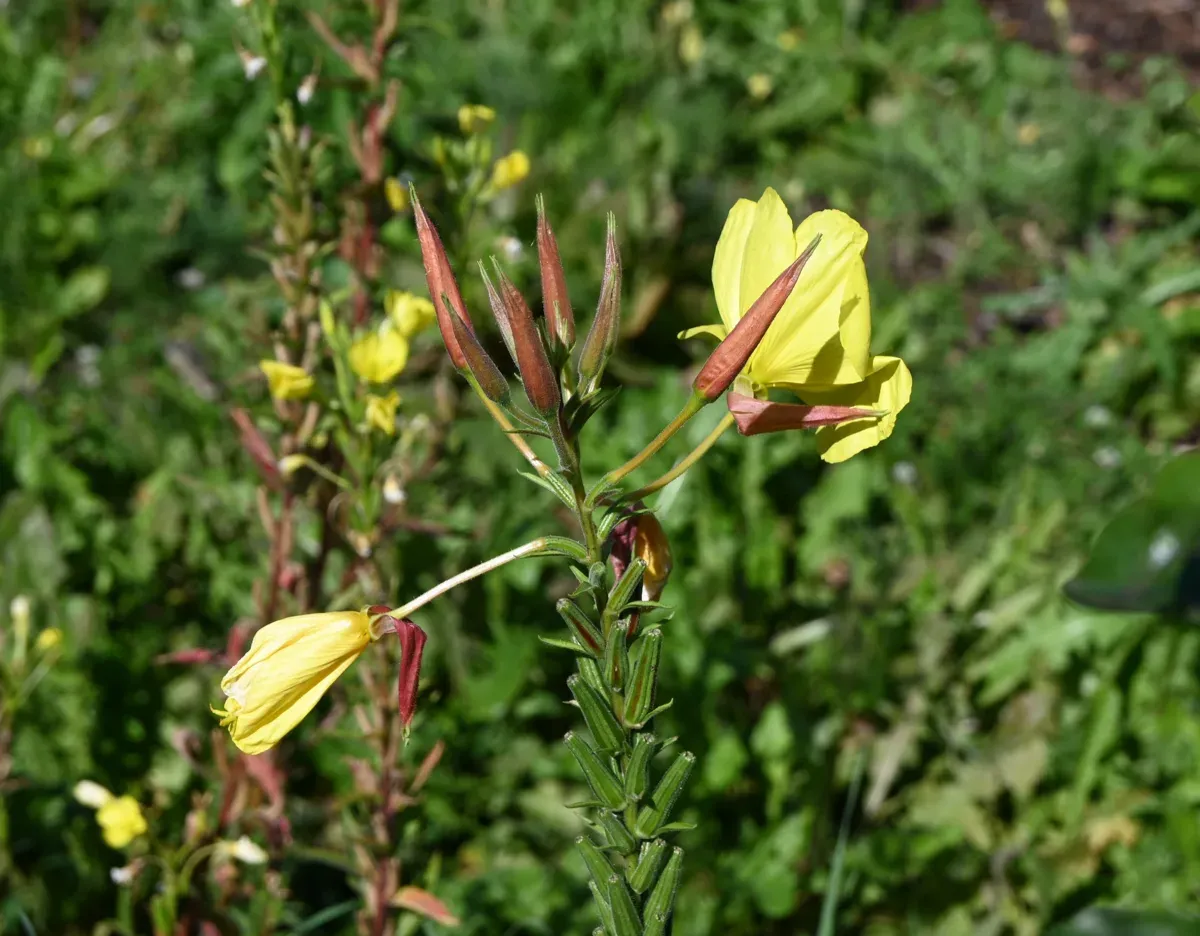
One can enjoy the closed buds, similar to capers, to steep in vinegar, and after a few days of steeping, as a sweet and sour snack. However, they also possess a fine aroma when coated with dough and fried or baked.
Excellent regional cuisine
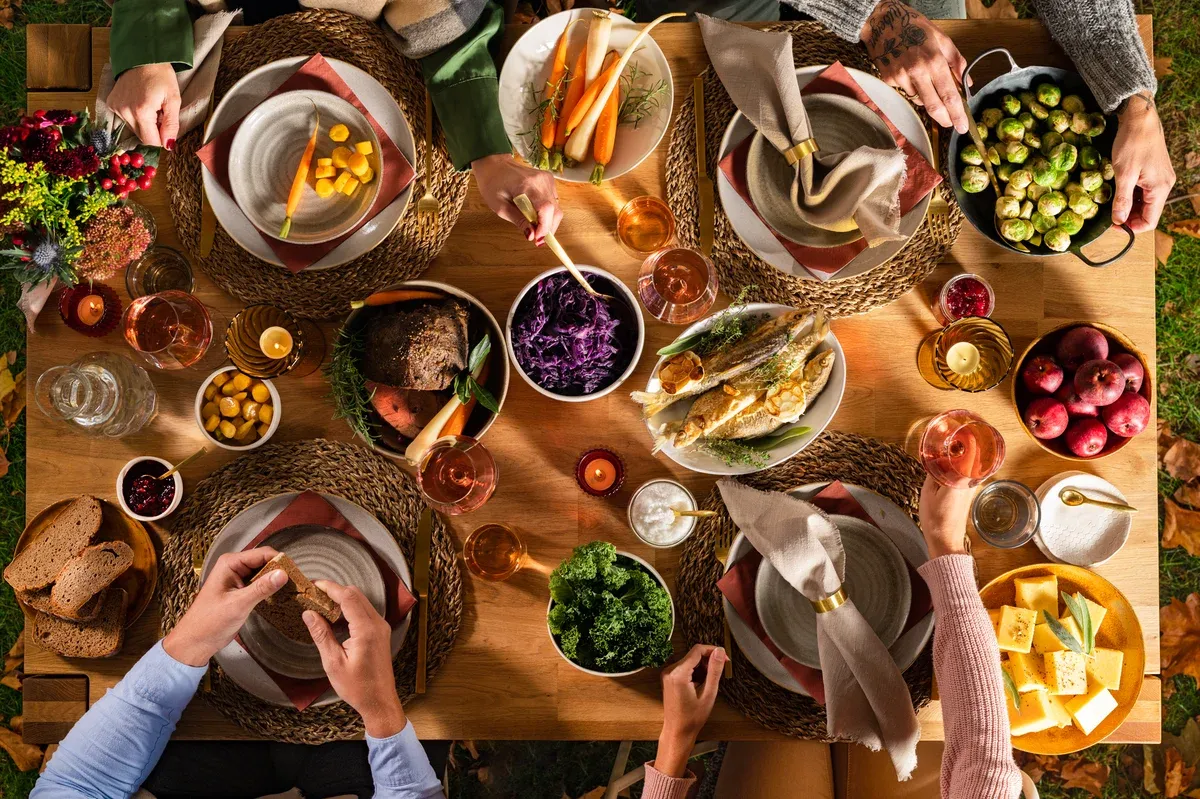
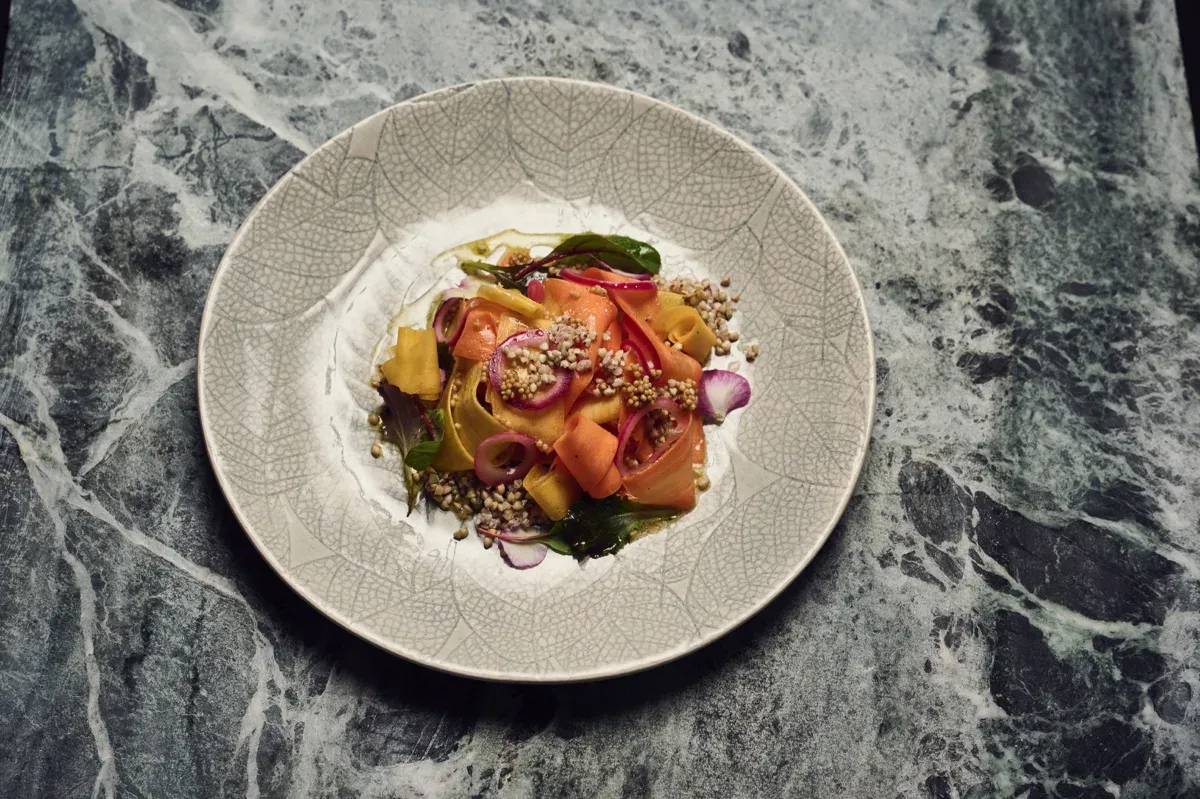
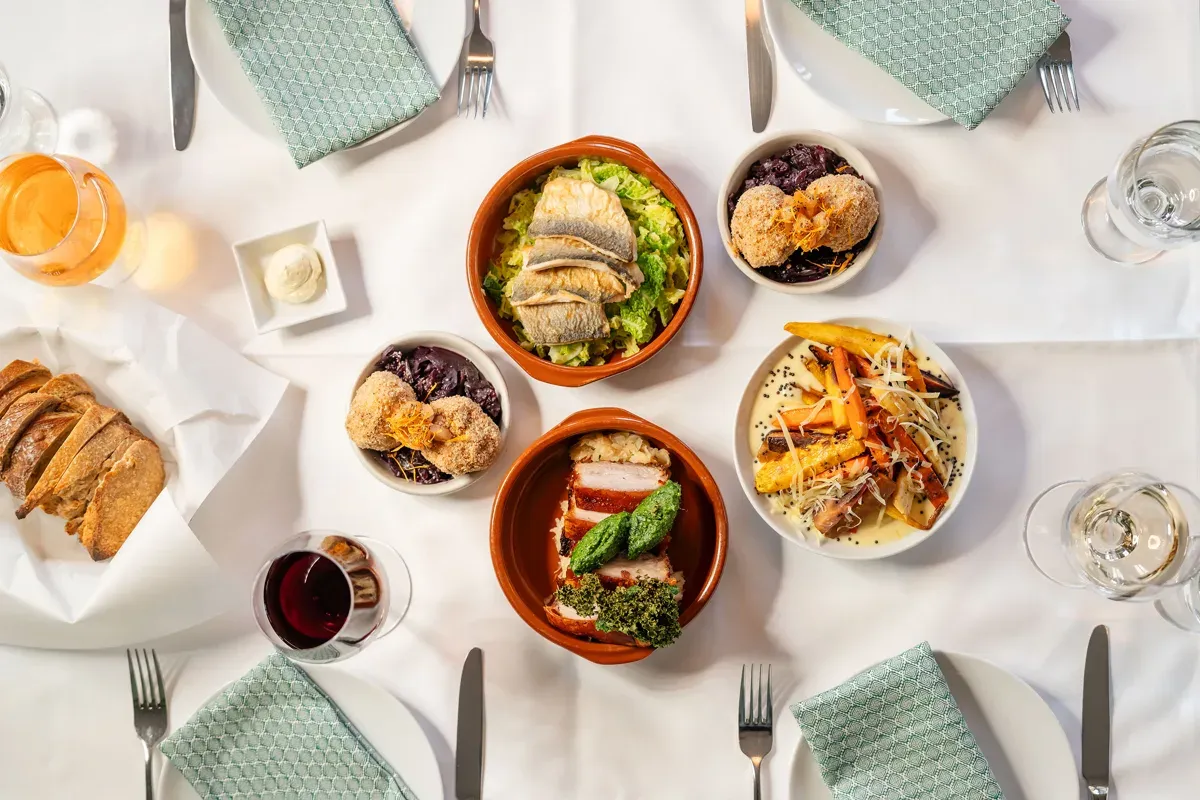
In the house's gastronomy, regional authenticity is at the forefront. Primarily, authentic and unspoiled regional products from the Inner Switzerland are used, preferably products from organic farming, supplemented with products from the culinary Alpine region. The restaurant has approximately 70 indoor and 50 outdoor places. Ingredients are only obtained directly from 20 regional partner businesses, even olive oil or citrus fruits are not used. The only exceptions for over-regional ingredients are chocolate, coffee and spices.
Preservation of the regional specialty "Alp Sbrinz"
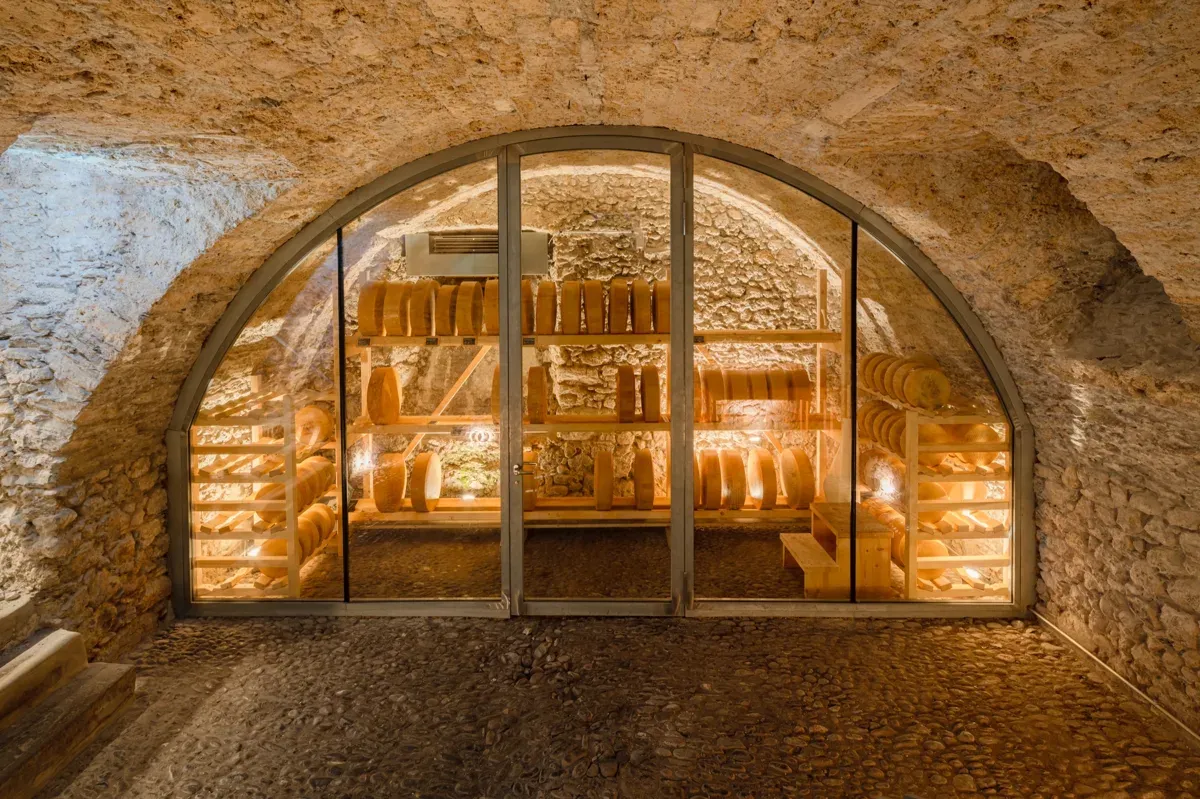
The old wine cellar of the monastery offers an ideal environment for the ripening of a rare specialty of Inner Switzerland, the flavorful hard cheese Alp Sbrinz AOP. This is one of the oldest cheeses in the entire Alpine region and has served the population for centuries as an important food in the cold season. Once, the precious cargo was transported by mules on foot over mountain passes to Italy, the Brienz municipality formed a significant transit point along the route, from which the name of the cheese is likely derived.
Only on eight farms in the cantons of Nidwalden and Obwalden is the raw milk for the original Alp Sbrinz still processed in the traditional way today, with the milk being warmed in copper pots to 32 degrees and then curdled with the addition of rennet. Subsequently, the mass is cut into small granules with the cheese harp and molded.
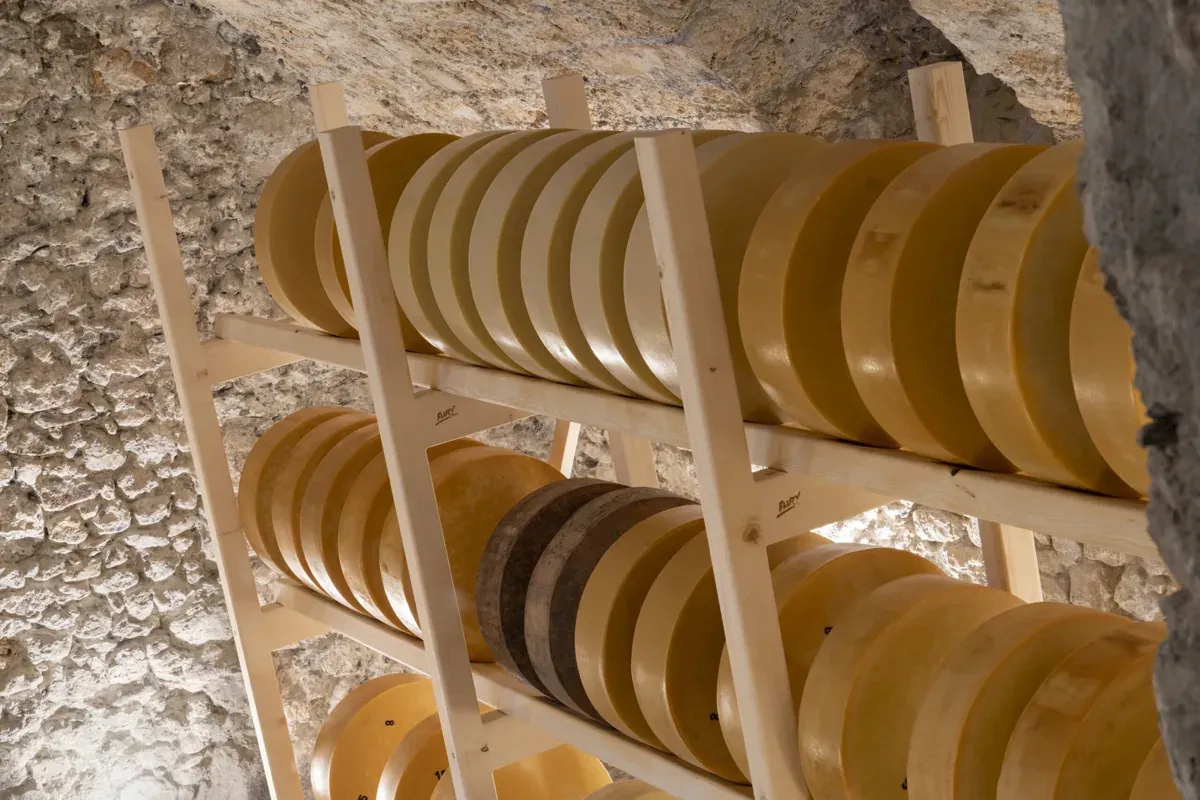
Only after 18 months of ripening, the cheese with its typical roasted aromas can be sold as Alp Sbrinz, ideally it is consumed at an age of 30-36 months. Slow Food considers this ripening period of at least 30 months to be a central criterion for the appointment of the real Alp Sbrinz as a "Presidio", i.e. a particularly worthy regional specialty.
The loaves are stored in the monastery cellar at a temperature of approximately 12 degrees. In the typical dry ripening, they are dried once a week and turned in a frame every quarter to further develop the delicacy. With each month, the Sbrinz loses moisture and gains more and more flavor and aroma through the continuous protein breakdown.
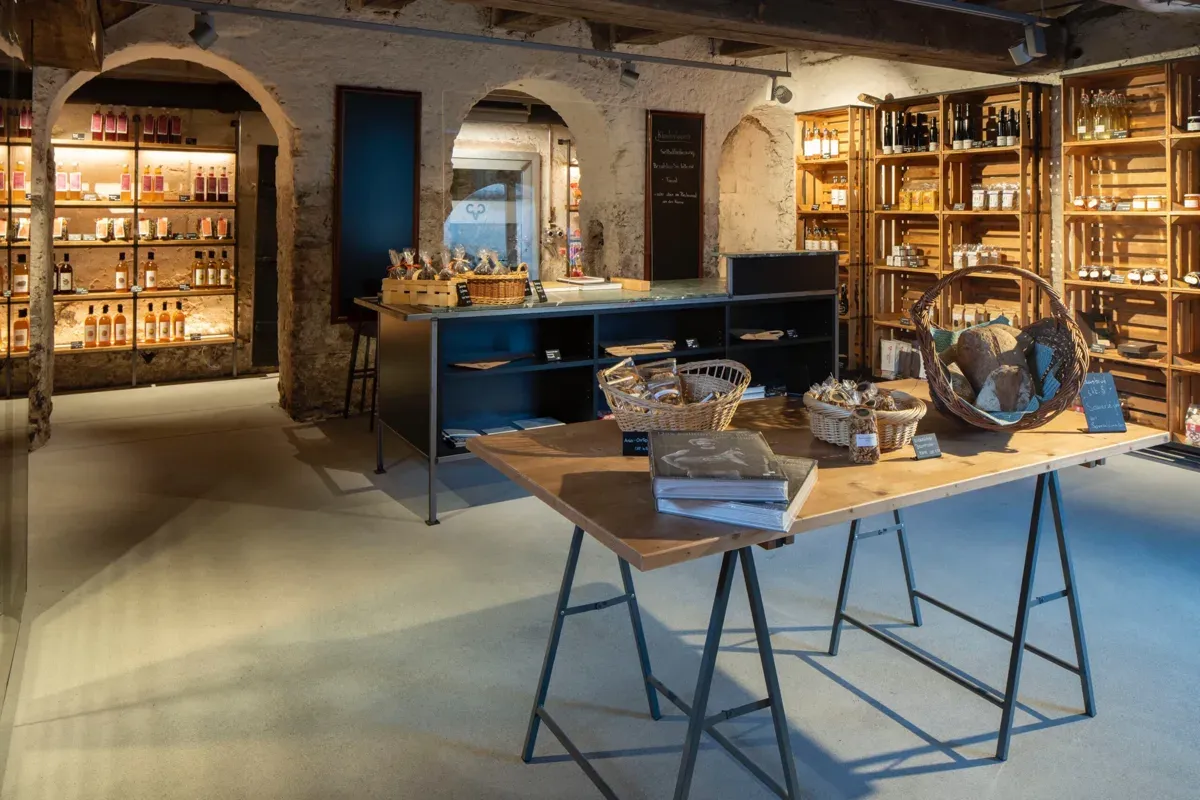
The various vintages - up to 5 years - are available in the monastery shop. Compared to Parmesan, many customers find the specialty, due to its higher fat content, slightly more full-bodied due to the considerable expertise, handwork and patience in the Culinarium.
Diverse educational offers
The foundation promotes further education in all aspects of alpine cuisine and domestic agriculture with the aim of spreading knowledge about it. The transfer of expertise and the awakening of awareness about alpine cuisine in the Alpine region should ultimately inspire consumers to shop, cook and enjoy regionally.
The monastery has a large conference and event infrastructure that offers an exceptional atmosphere for various events. All seminar and banquet rooms are equipped with the latest technology.
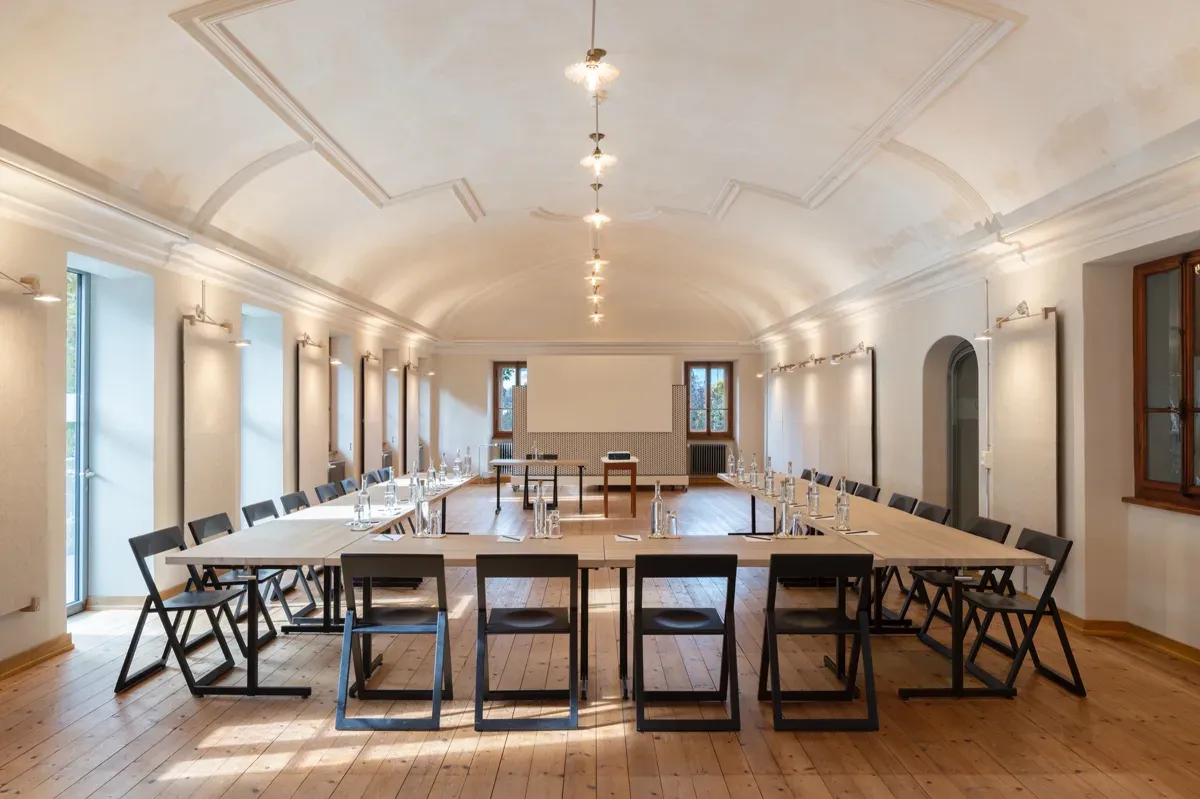
The educational offer, which is partly organized in cooperation with external experts and associations, ranges from cooking courses, excursions, tours, conferences, specialist forums and seminars to multi-day events such as the annual "Alp". Here, producers and producers, experts from gastronomy, trade and connoisseurs from the entire Alpine region exchange information. A public market and the awarding of the "Cercle régional" award form the highlights of the event. In this award, projects or initiatives are awarded that are particularly committed to regional food culture, regional value creation and sustainable development.
The book "Culinarium Alpinum – Recipes with alpine heart and regional soul" has just been published.
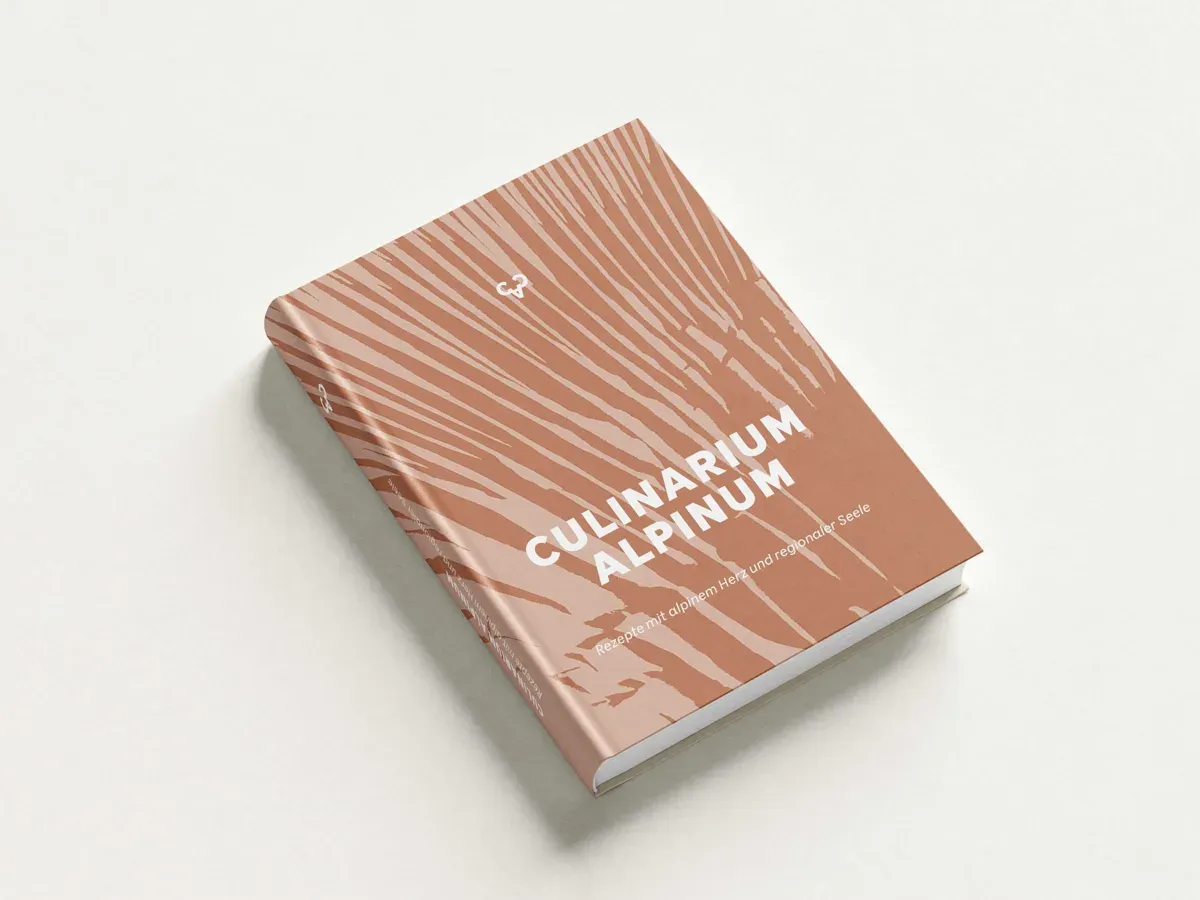
It not only shows creative and cookable recipes for all four seasons, but also portrays people who, through their passionate work in the fields and on the mountains, in gardens, bakeries, cheese factories and fisheries of Inner Switzerland, make it possible to cook with high-quality, regional food.
In our "Recommendations" section, we will introduce the opulent work in more detail soon.