Our boatman, by contrast, "glows" in a flowing cotton kaftan with a yellow-and-red floral pattern. Yet we find our bird, the tiger heron!
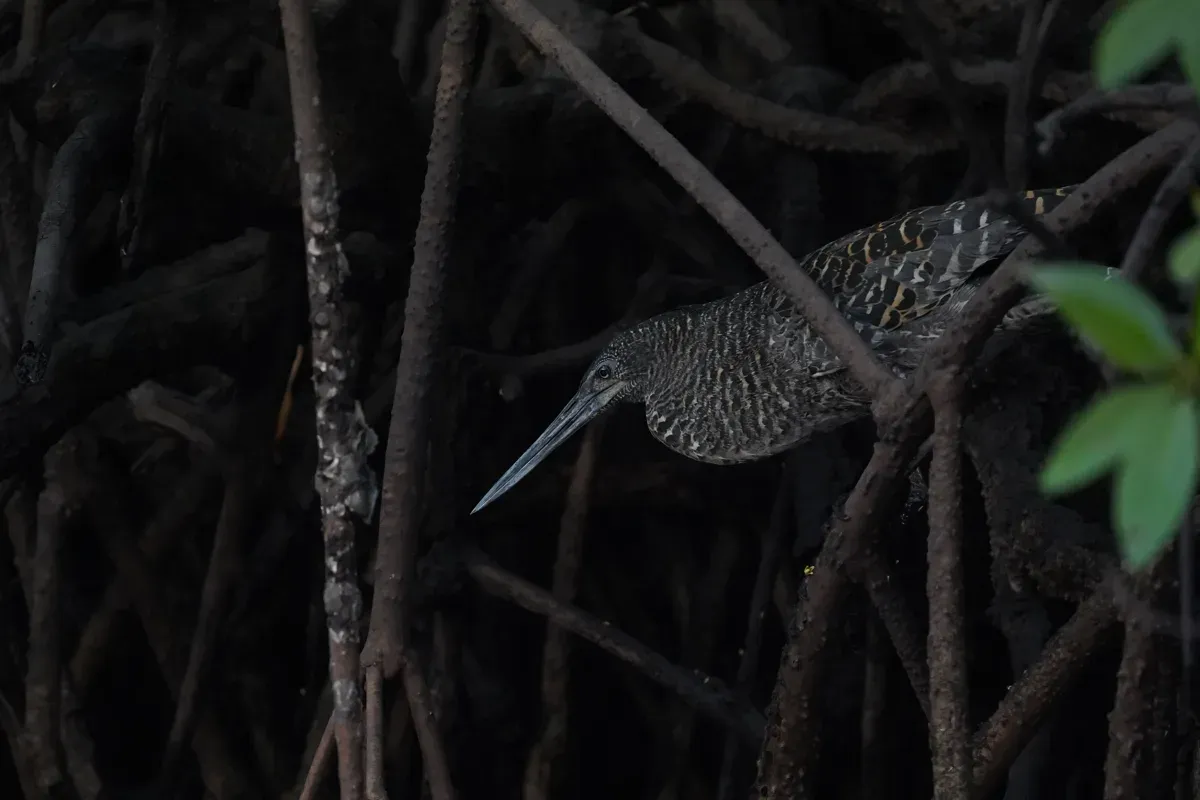
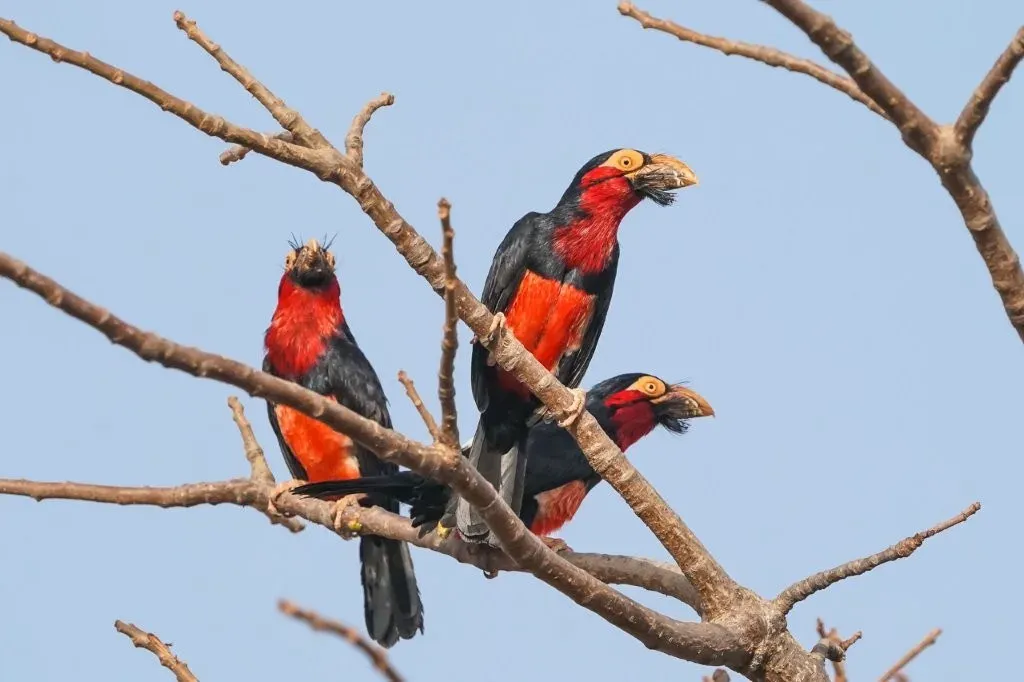
The white-crested tiger heron (Tigriornis leucolopha) is the holy grail of species-collecting ornithologists. It is, in fact, a bittern. Our own bittern, also a master of invisibility, not only imitates the reed stems with its plumage - it even sways its body in time with the stems in the wind. The brown-and-grey striped plumage of the tiger heron camouflages it in the darkness of the mangrove roots and in the mud where it forages at low tide. Birdwatchers come from all over the world to see this bird here, at the edge of its Central African range. - Perhaps to see it! Only with a lot of luck does the very first outing bring success. It must always be low tide, but even a dapper, brightly dressed scarecrow can serve as boatman, provided he knows his trade!
An El Dorado for bird lovers
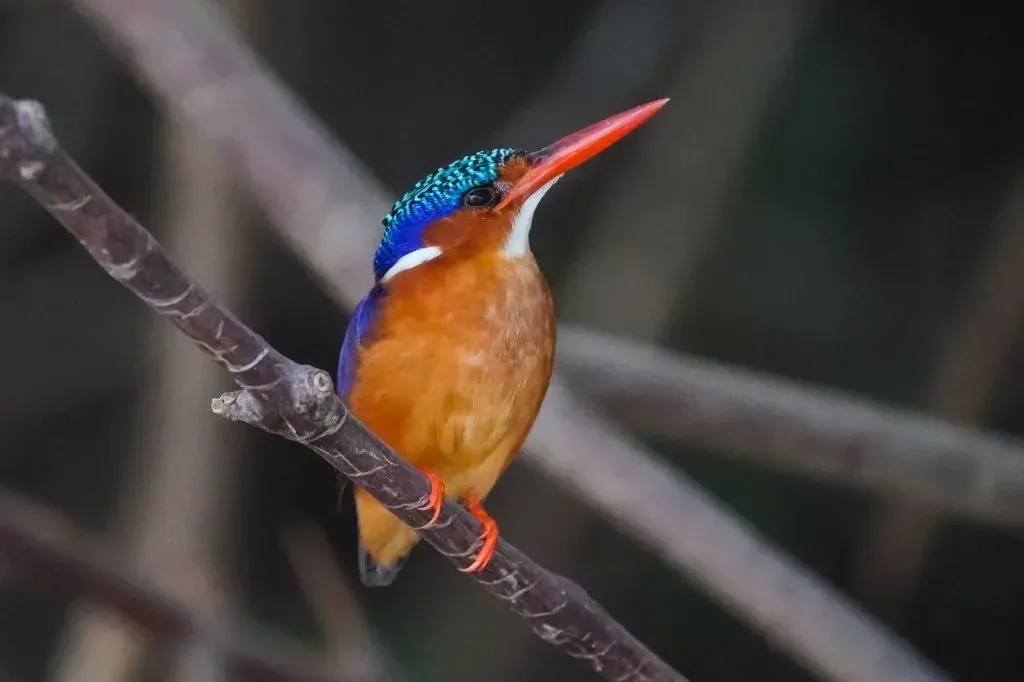
The core zone of the Saloum Delta National Park on the Atlantic coast of Senegal covers 760 km², while the entire Sine-Saloum UNESCO World Heritage site extends over about 1,458 km². It is an impressive labyrinth of mangroves, tidal channels and islands at the confluence of the Sine and Saloum rivers, which, however, only carry water to the sea in heavy rainy seasons. The term "delta" is therefore misleading, since most of the time salt water flows into this large bay from the sea, and the delta does not actively grow from the land through sedimentation, as is the case with the Nile or Mississippi deltas, for example. In the winter months, millions of birds of about 400 species populate this protected area.
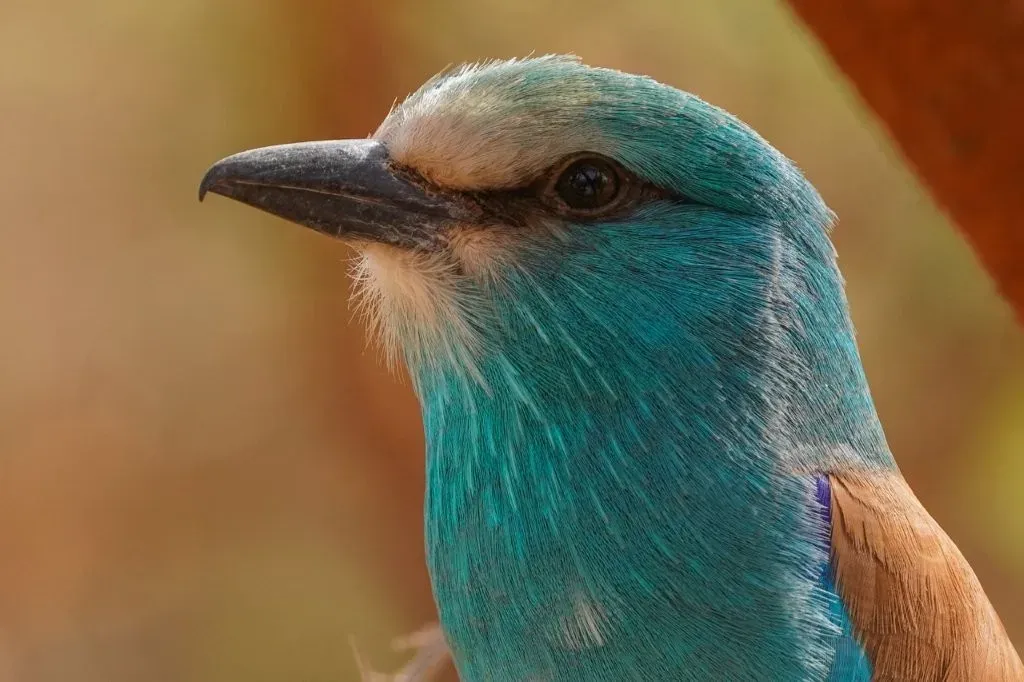
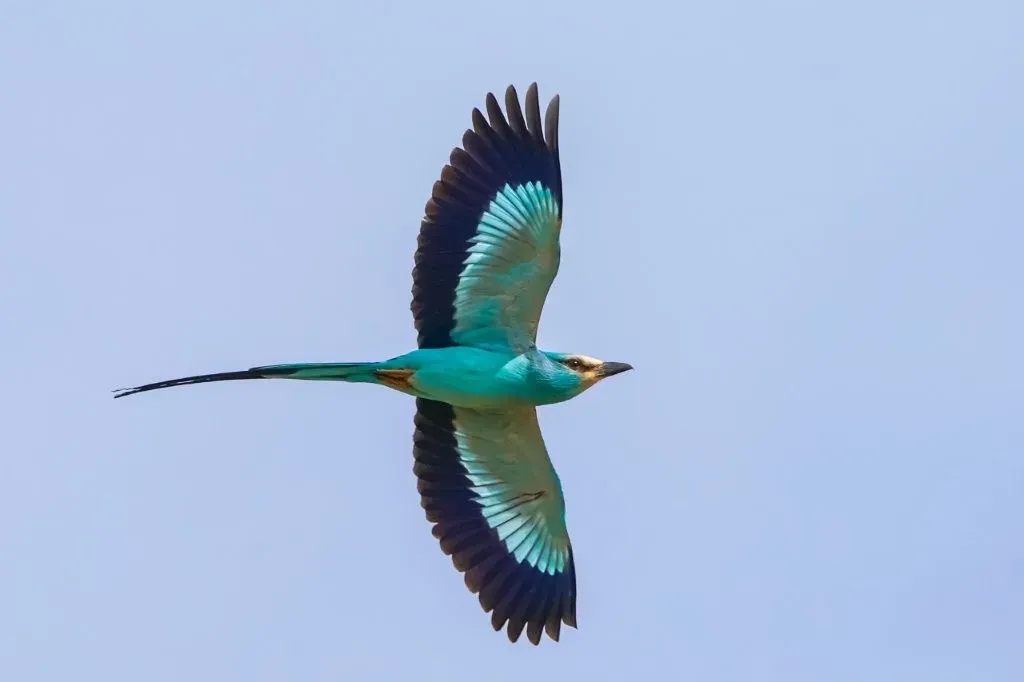
The highest natural "elevations" in this mangrove area are sandbanks barely a metre high. However, there are mounds of shells up to 15 m high, evidence of two thousand years of use by the Serer people.
These served as cult sites, and many of them contain burial mounds. The people lived, and still live, "amphibiously" from the tidal zone.
The Serer people
For more than a decade, our author, an Austrian geographer and birding guide, has been travelling in this region. Gradually, he and his wife Eva have also come to know the ancient culture of the Serer. After the Wolof and the Pulaar, they are the third-largest ethnic group in Senegal.
People here still live from salt production, fishing and gathering shellfish, both for their own subsistence and for export. The great shell mounds, which were also places of worship, and the burial mounds built on top of them form an extraordinary cultural landscape.
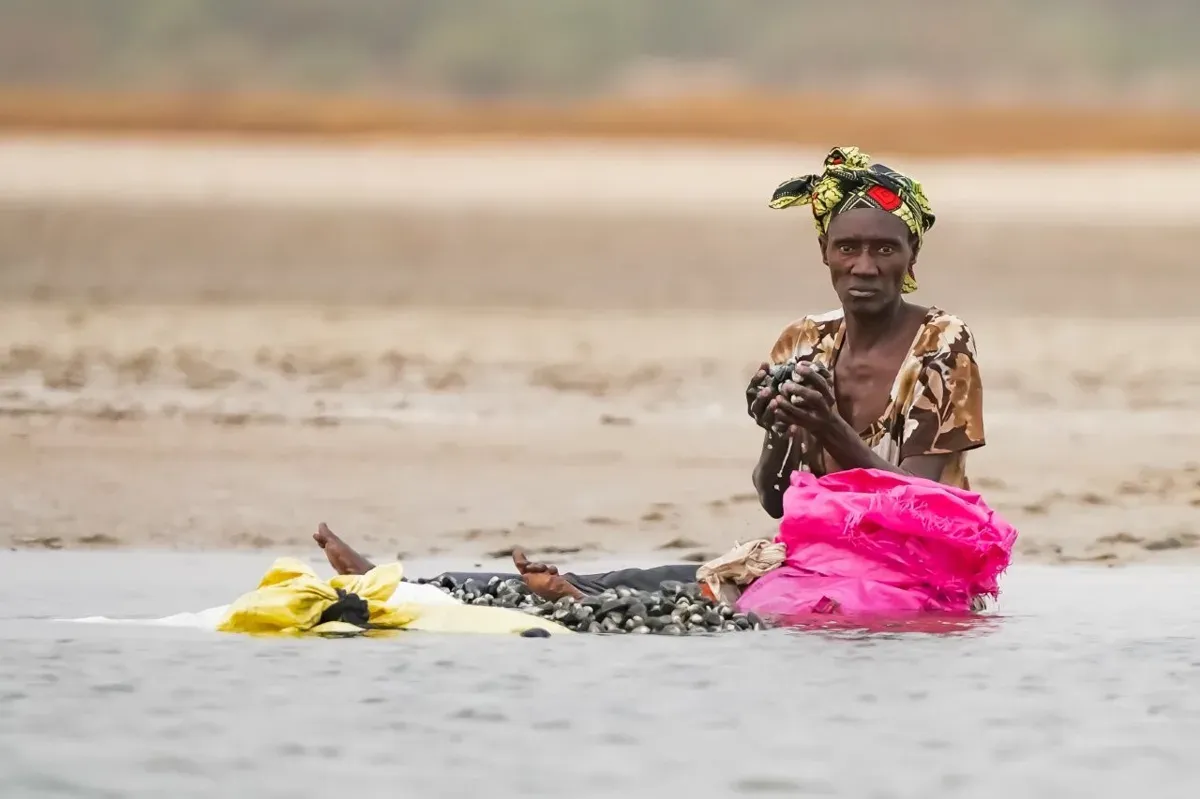
The mangroves are threatened by the expansion of rice cultivation and by forestry in the Fathala area. Further pressures on the environment come from forest fires, overfishing, the destruction of bird colonies, and conflicts linked to industrial and agricultural development. Local village communities play a crucial role in mangrove restoration programmes, for example by setting up tree nurseries and creating reforestation areas. The village communities also play a key role in combining traditional and modern fishing practices, and in recruiting national park rangers and nature guides.
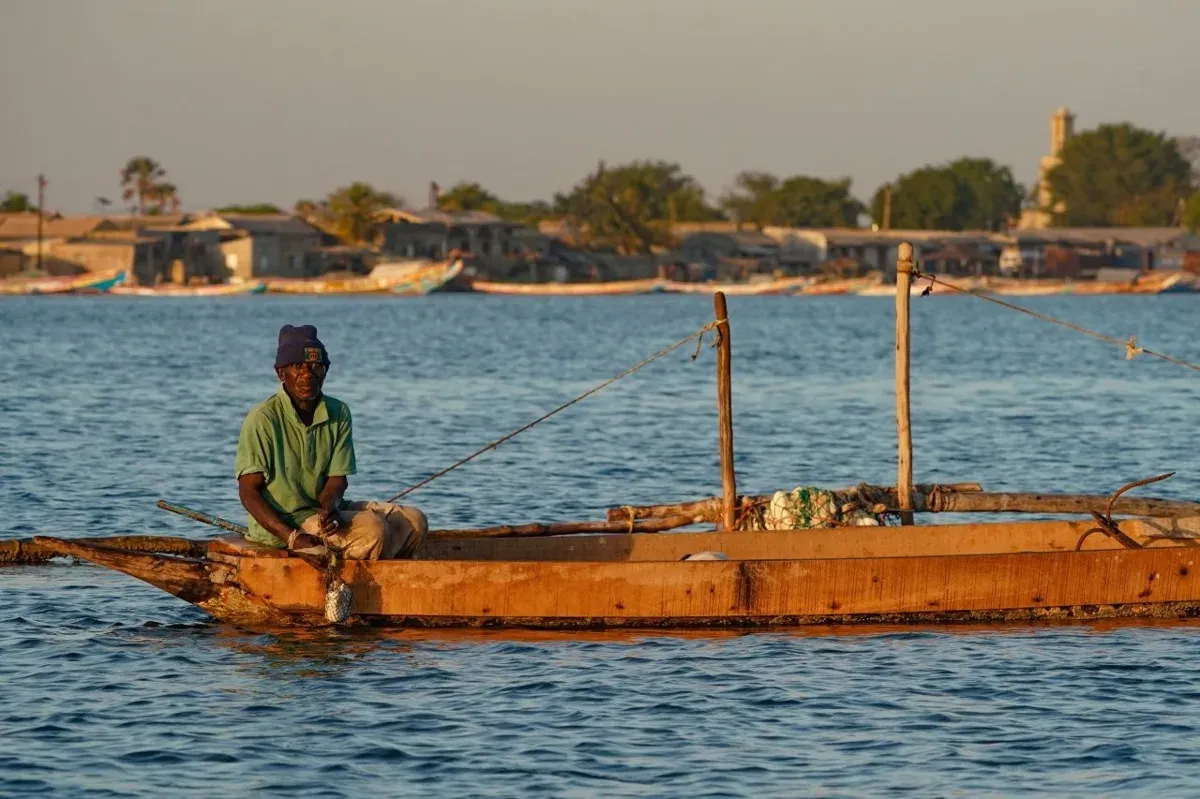
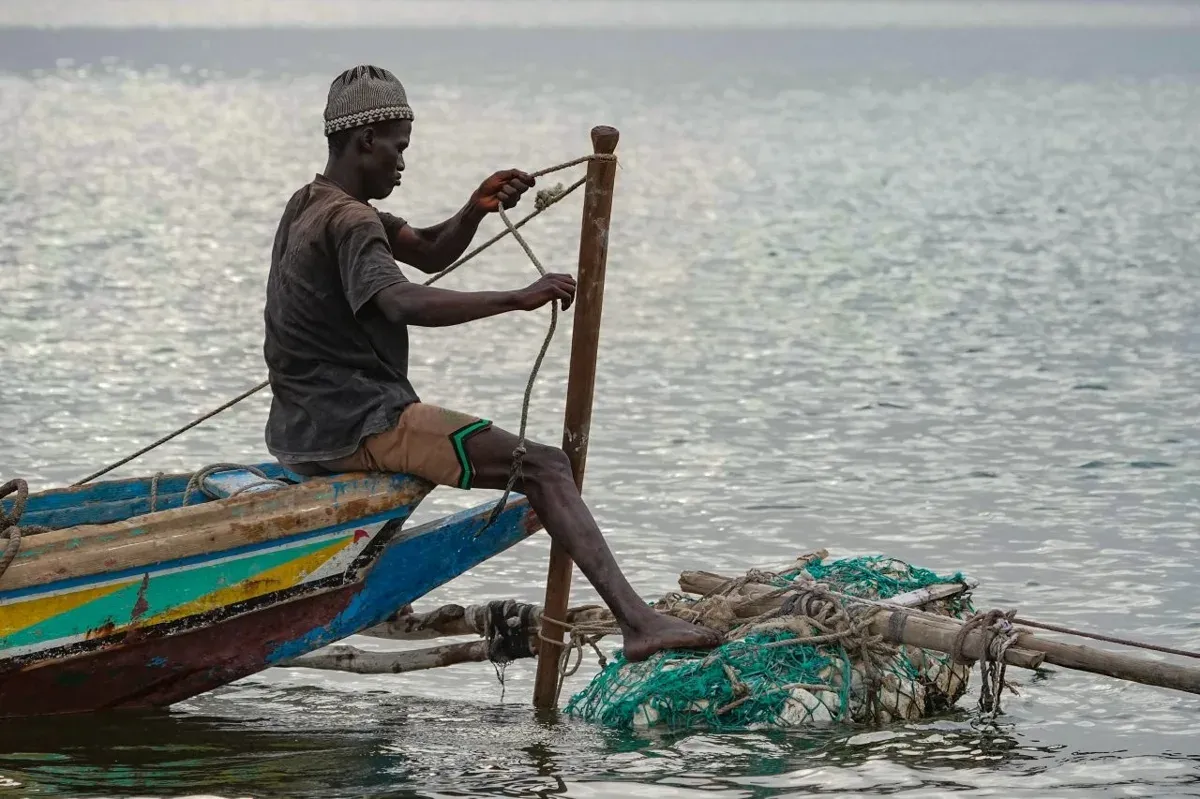
In cooperation with the national park authority (Direction des Parcs Nationaux), the IUCN regional office based in Dakar is working with local communities, national authorities and students of the University of Dakar on an integrated management plan for the Delta du Saloum Biosphere Reserve.
Serer culture and rites
Their pre-modern religious system, which still helps shape social life beneath the modern "surface", has stabilised their society for millennia. Conflicts between generations and between the sexes were settled through regular rituals, which also mediated human relations with the invisible realm of the dead. Religiously grounded taboos also ensured that natural resources were treated with restraint and care.
The three most important rituals are briefly mentioned here:
"XOOY", a night-time festival led by a "Saltigui", a shaman, held before the start of the rainy season.
Initiation. For boys and girls alike, the lengthy initiation rituals are formative - in the truest sense of the word. Shielded from the village community and family, the childish self must die in order to be transformed into an adult self. Under the ritual supervision of a masked "Kankurang", the young people live isolated in the bush for several weeks and receive instruction for adult life and an introduction to the sacred, invisible world of the dead and the spirits. Afterwards they return to the village as adults. Only after this ritual are they regarded as full human beings, able to marry and take on responsibility.
The basis of this culture is a view of the world and of humankind that differs fundamentally from our own. While we see man as the lord of creation, the traditional African knows that he is interwoven with nature and part of it.
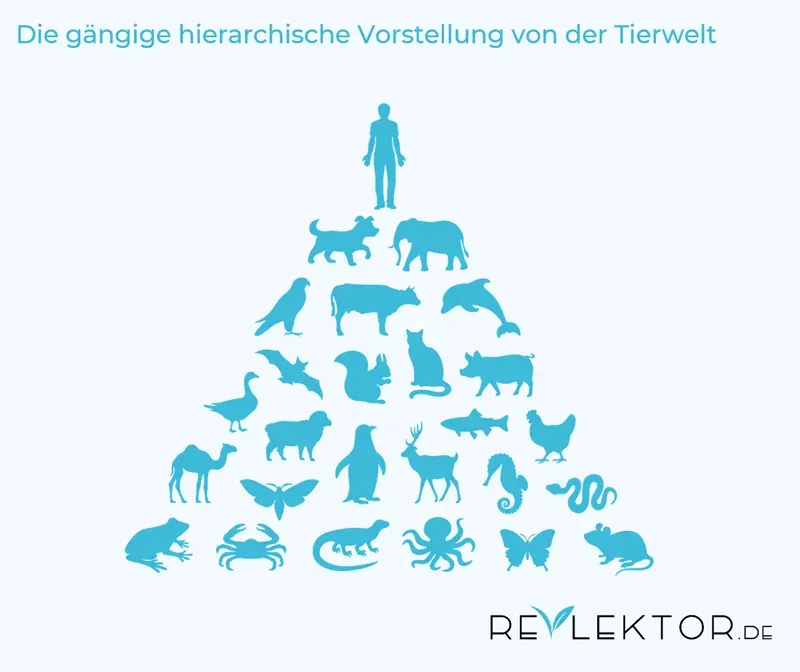
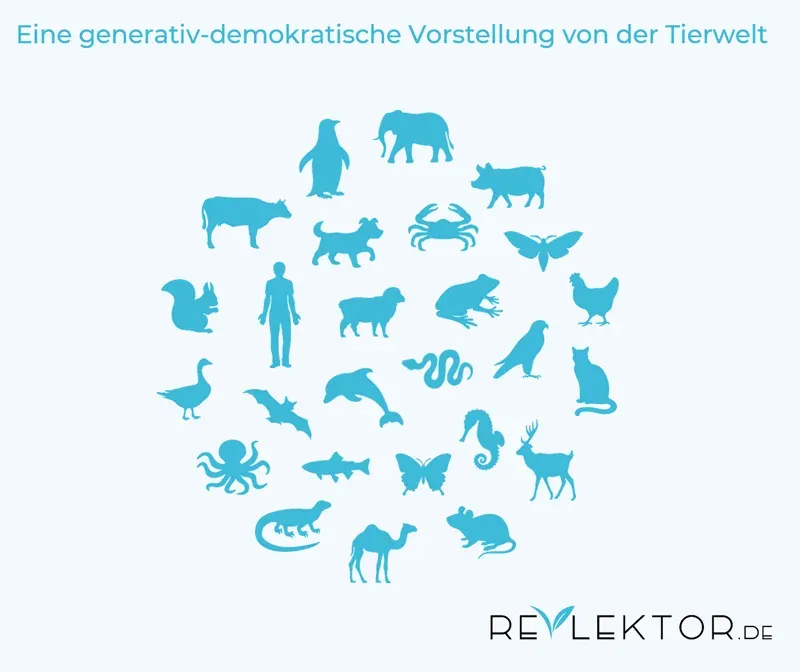
Could we learn from this without relapsing into belief in witchcraft and shamanism? Serer culture and the landscape it created are now recognised as tangible and intangible World Heritage.
For us outsiders, the third important Serer ritual is the easiest to access: traditional wrestling has become a national sport alongside football. Usually only a small handful of white tourists mingle, beneath a cloud of singing and drumming, with the crowds at these competitions that last all night in the small towns of the delta.
The organisation is flawless. Generators hum, floodlights dazzle, tickets are issued, stewards keep order, the women's choir sings the battle songs, and the fighters are digitally registered and searched by referees for sharp objects. Often 4-5 pairs fight in the ring at the same time. The rules are strict, the grey-clad referees are numerous, and together they enforce absolute fairness.
For the "lutte", each fighter arrives with a large "équipe mystique" who, before the tournament, with menacing demeanour and frightening gestures, pour one magic potion after another over his head. The fighter also performs a ritual involving milk, an antelope horn rammed into the ground, and often a rope tied in a circle that is drawn over the athlete's body three times from bottom to top. One fighter has the sky carried along above his head: 4 men hold a sheet spread out over him as he walks around the arena.
The "caste" of miracle healers is not only to be seen in wrestling; it has produced experts for every problem across the country. Sport, love, career, health, childlessness ... in all these matters even the most modern Senegalese will gladly turn to shamans, witches and sorcerers.
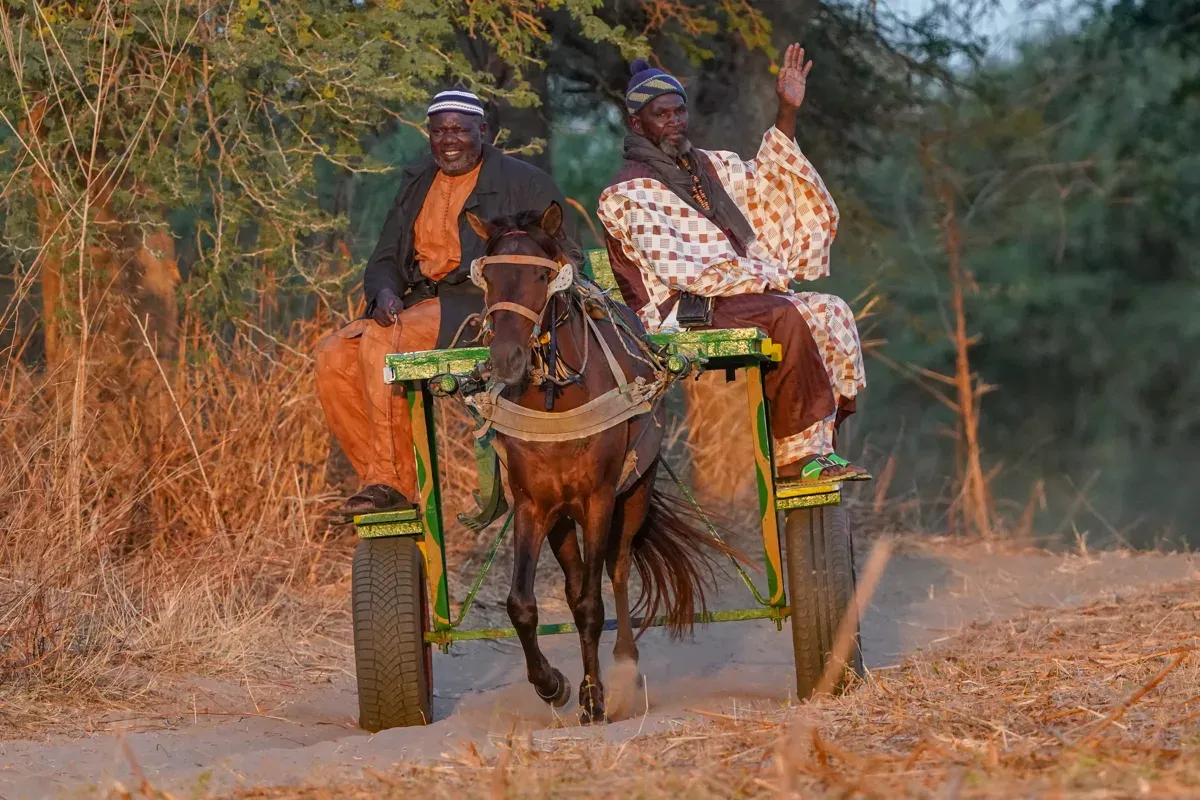
Africa's urban elites and the growing middle class already enjoy state-run and private insurance. For the majority of the population, however, only family solidarity stands in for a state welfare system. The poor, the sick and the old are looked after. Children provide for their parents. But because profits are shared out immediately, little is left over for investment. That is the downside of solidarity.
UNESCO "Man and the Biosphere" programme:
https://www.unesco.org/en/mab/delta-du-saloum
The author's website: https://geo-vision.info/