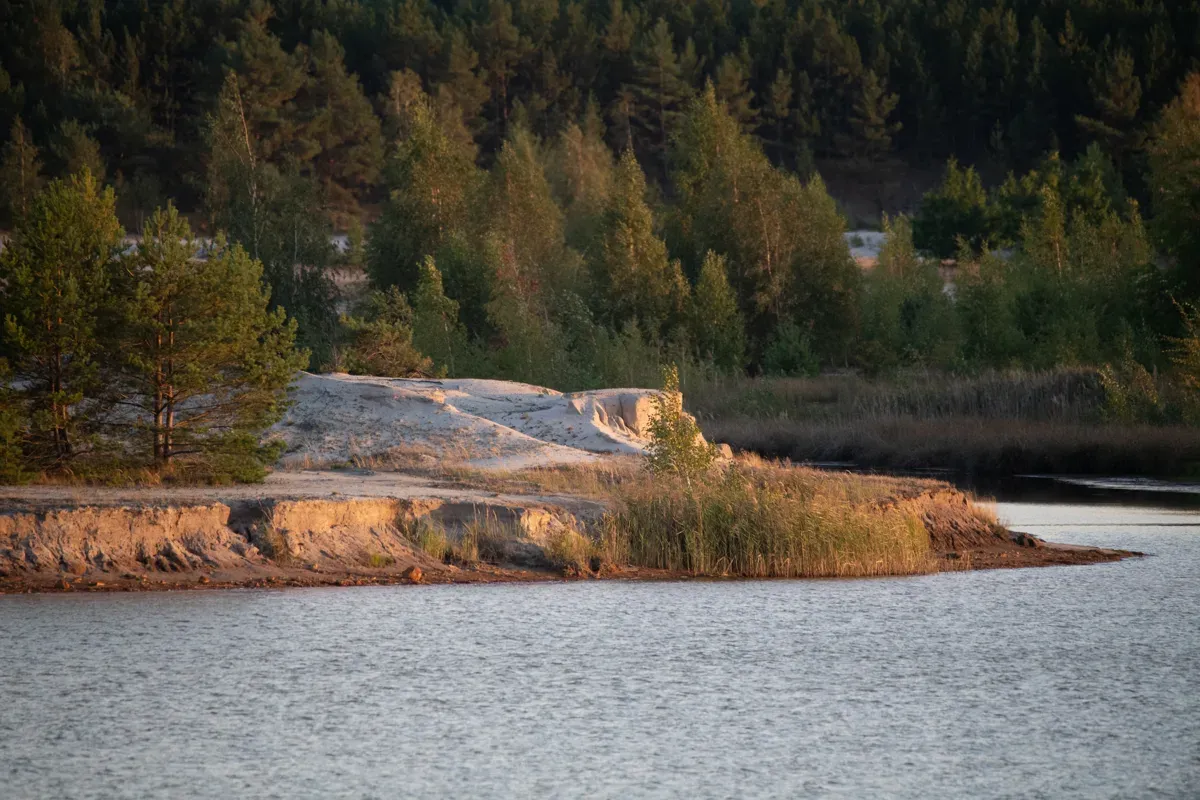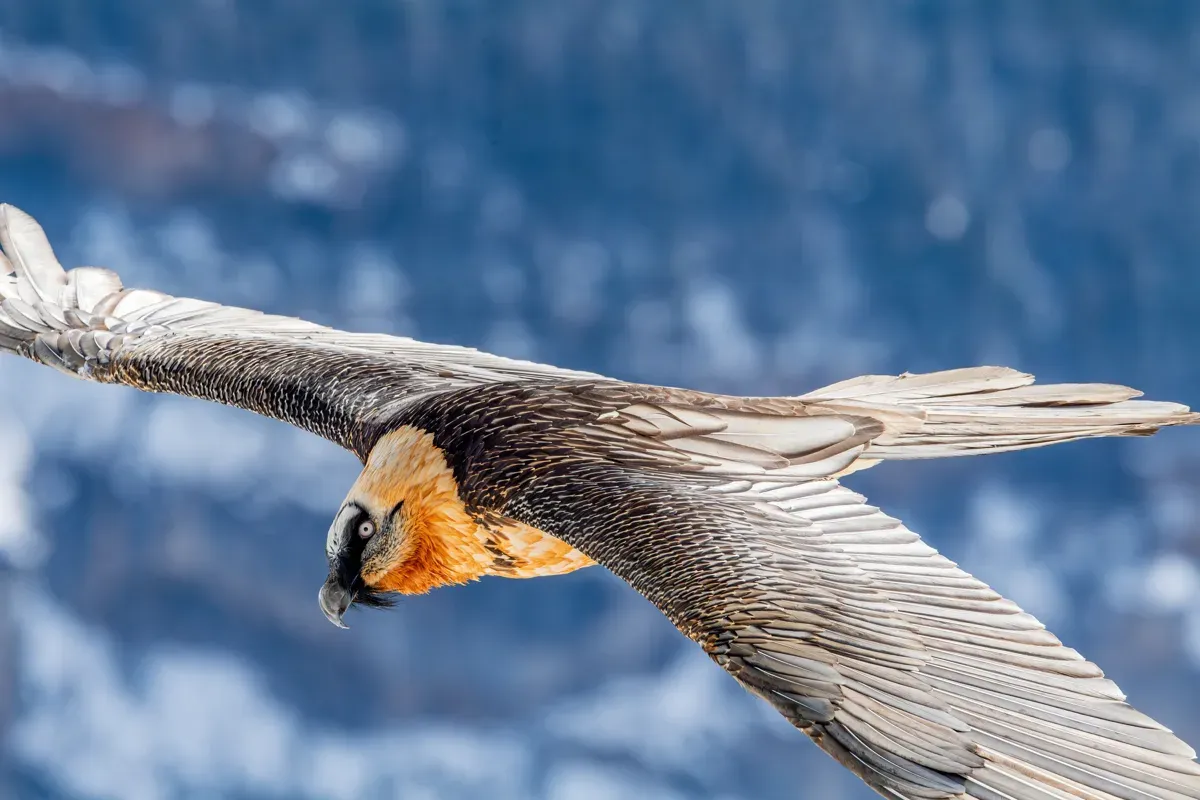
There, away from the well-trodden tourist trails, you can explore a world that hardly exists anywhere else in Europe: vast wood pastures with ancient giant trees, flowering meadows with a breathtaking diversity of species, landscapes in which the chorus of birdsong is still at full strength. All it takes is to pause for an hour beneath one of the mighty old pasture oaks and take in the landscape: wide valleys with semi-open vegetation - extensive, savannah-like grazing land with solitary trees, small islands of shrubs and copses.
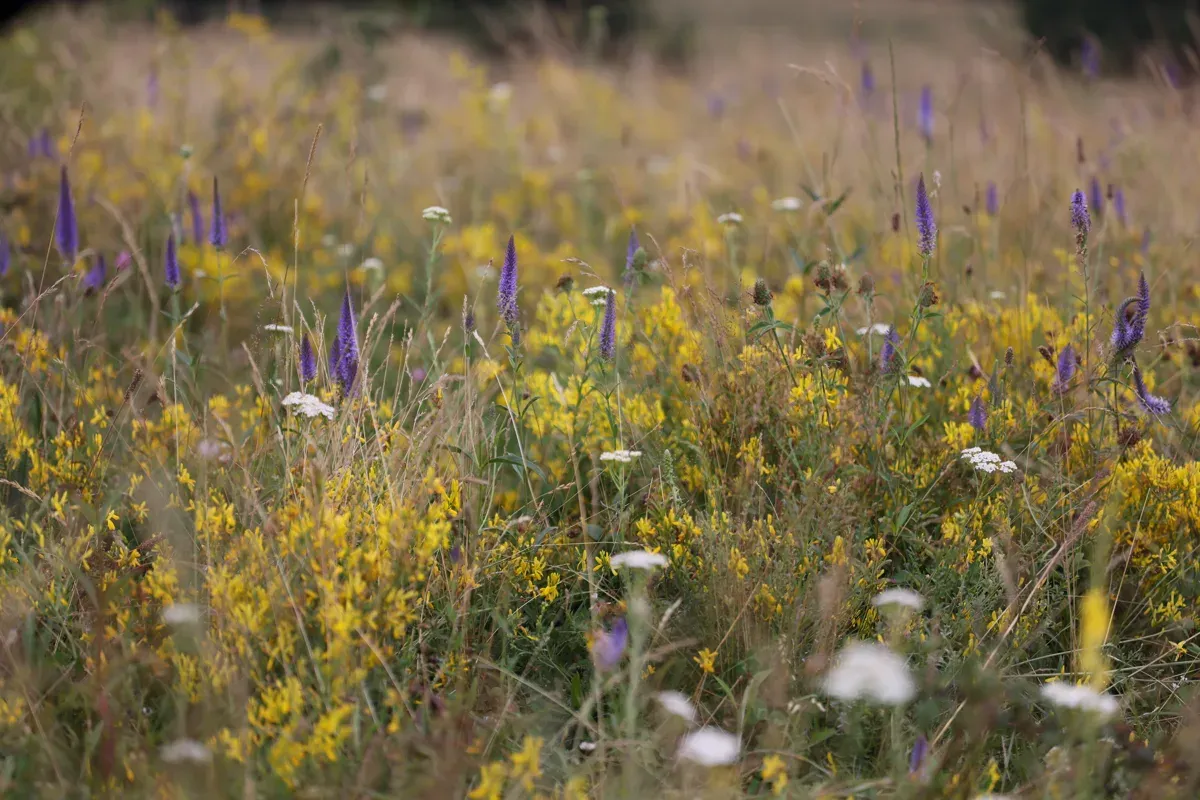
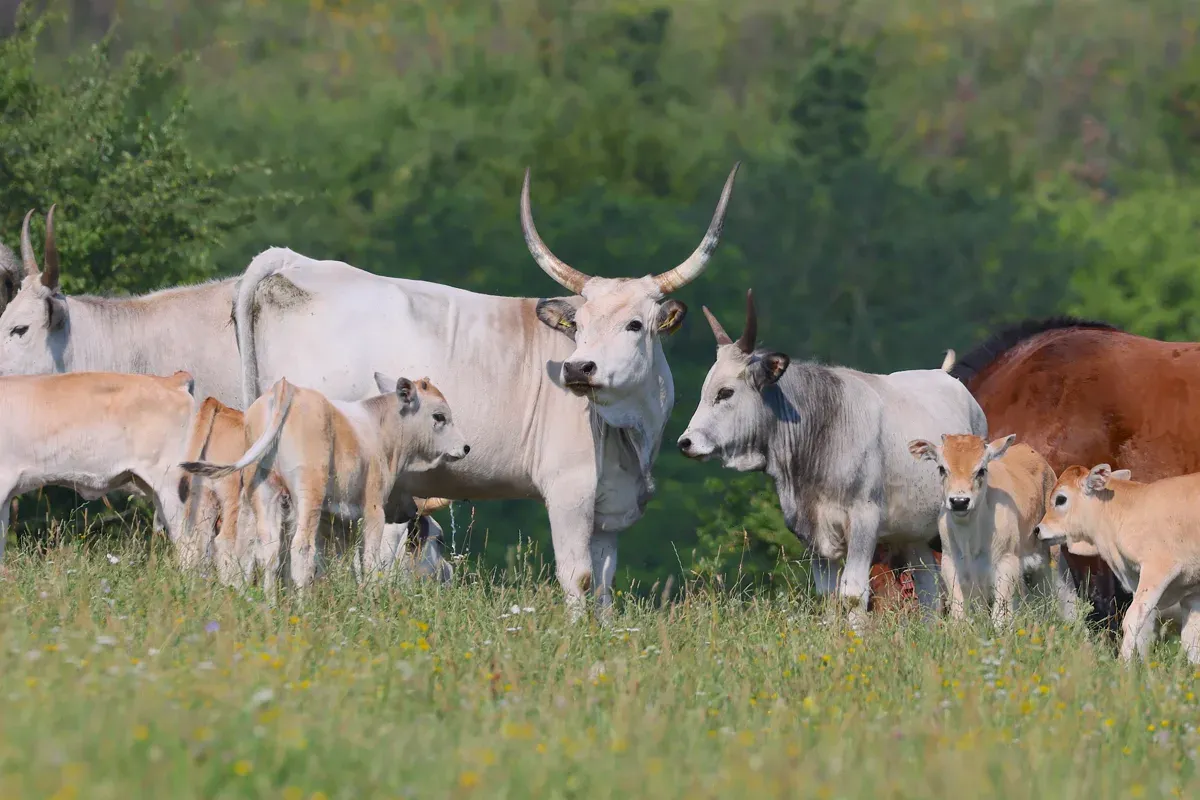
In the valley, the course of a stream can be traced by its floodplain, which has remained natural. A lesser spotted eagle circles above it. On the plateau opposite, the grassland is almost treeless. Somewhere in between lies a small village. Here and there cows graze, a few horses too; you hear the bells of a herd of goats and the barking of a dog. Otherwise just birdsong and the chirping of crickets. No noise of civilization, no roads cutting through the idyll, no power lines crossing the hills on the horizon. Time seems to stand still. It doesn't take much imagination to feel transported back two hundred years.
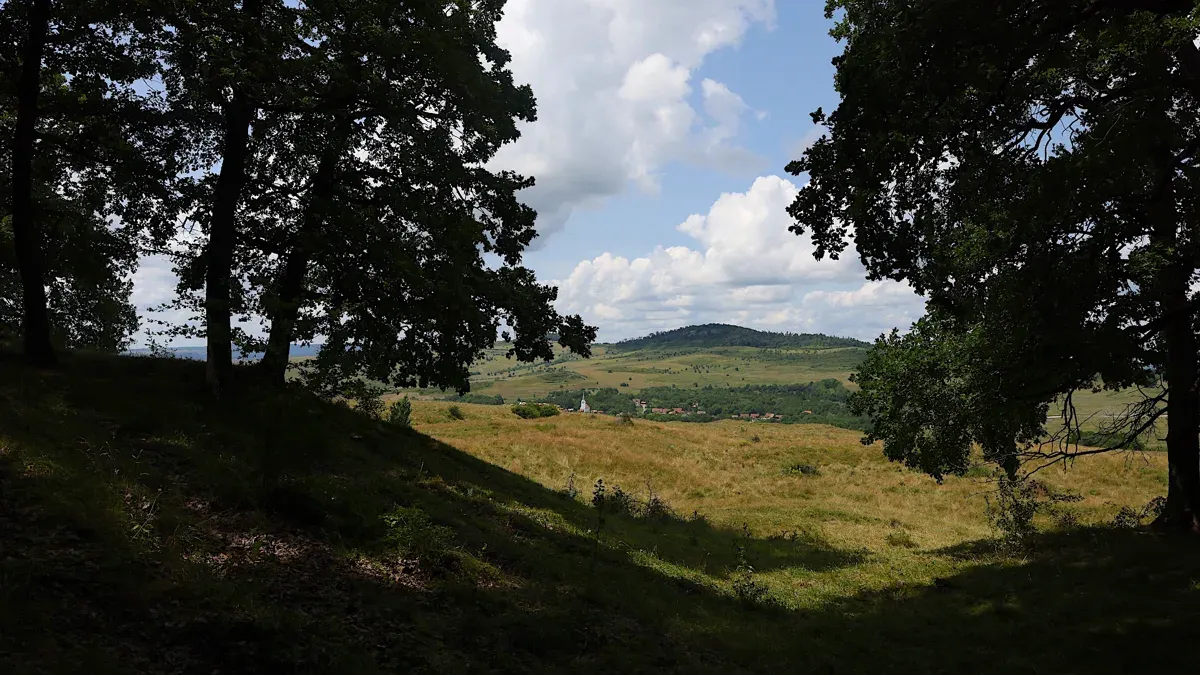
Suddenly you find yourself in a landscape that resembles a painting by Caspar David Friedrich. The impressions of these sweeping hill landscapes are overwhelming. Regions with such a magnificent backdrop and so few human settlements evoke both enthusiasm and a certain sentimentality. The realization that many regions in Germany once looked like this too quickly sinks in when you look at everything with open eyes and let yourself be carried away by the fascination of the landscape.
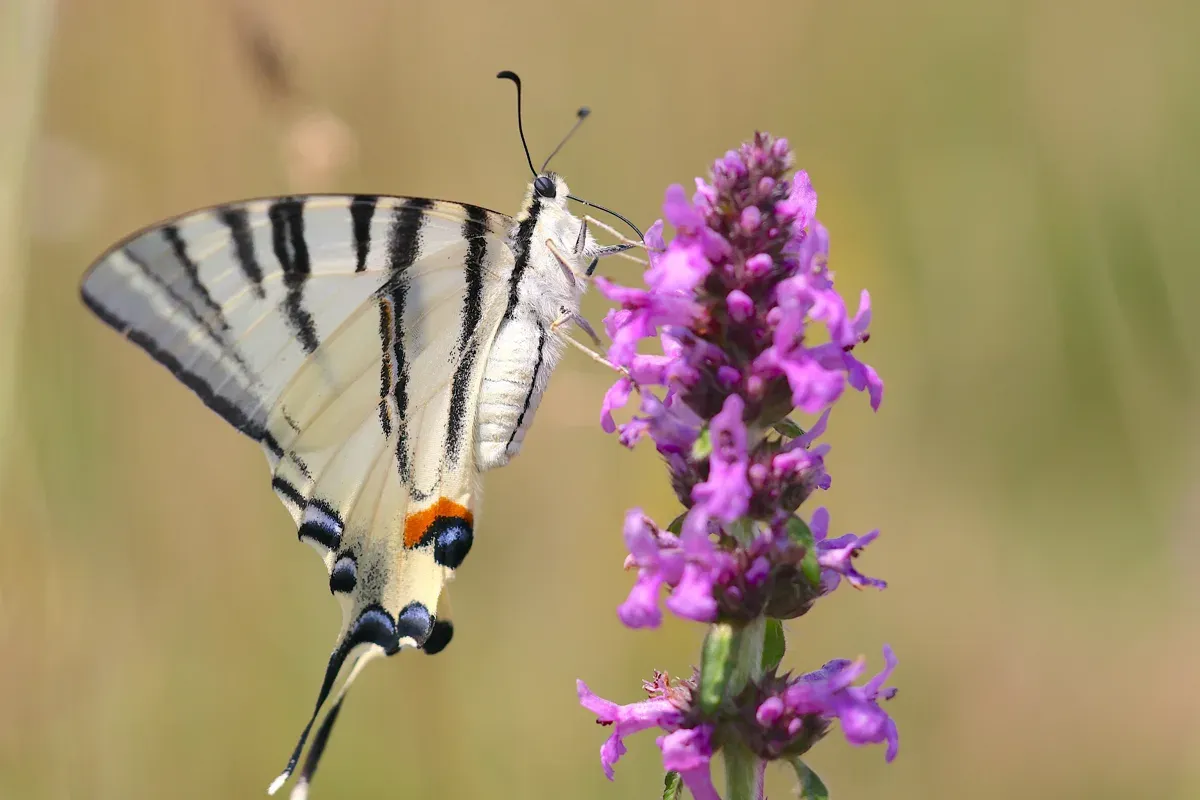
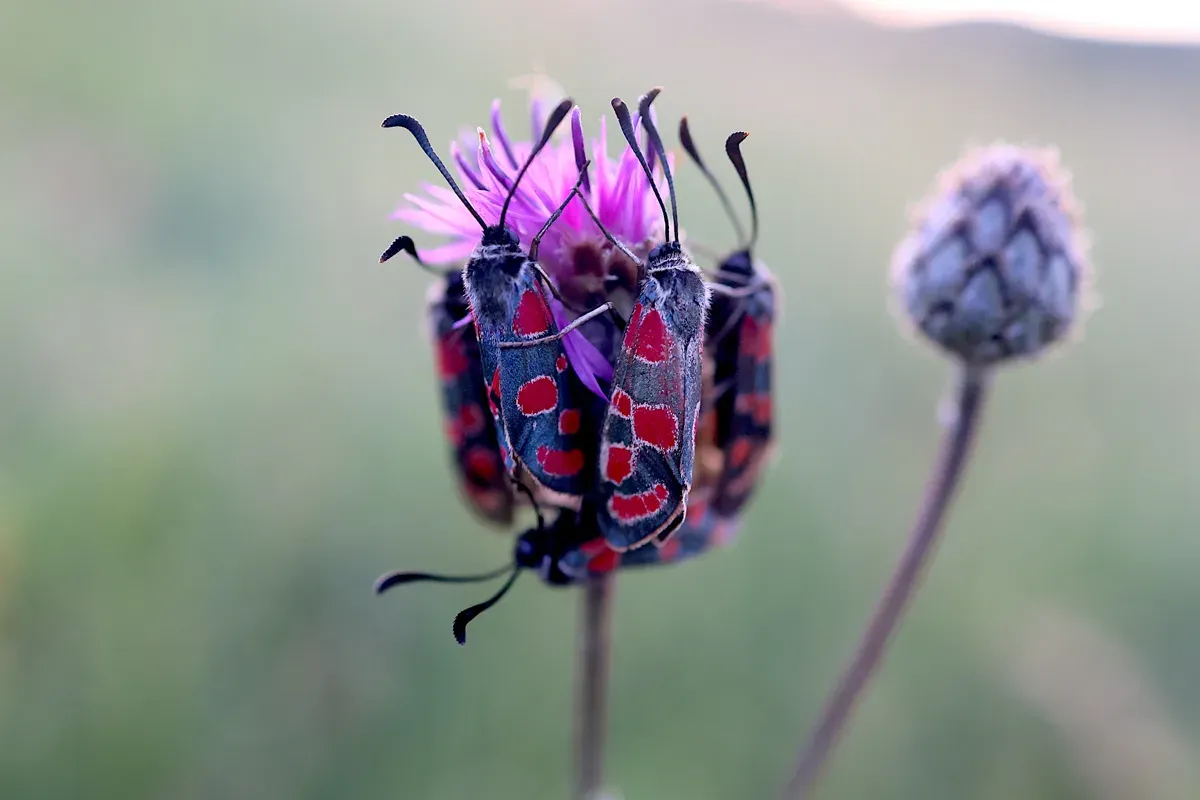
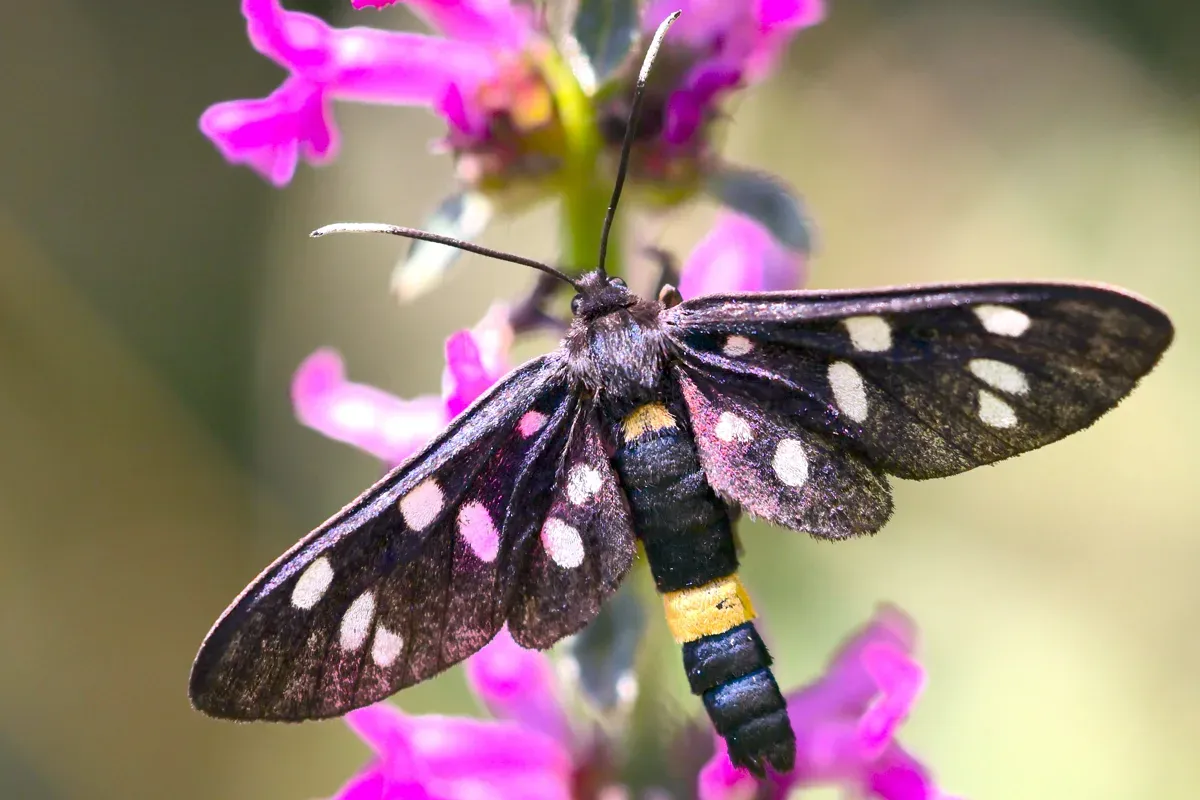
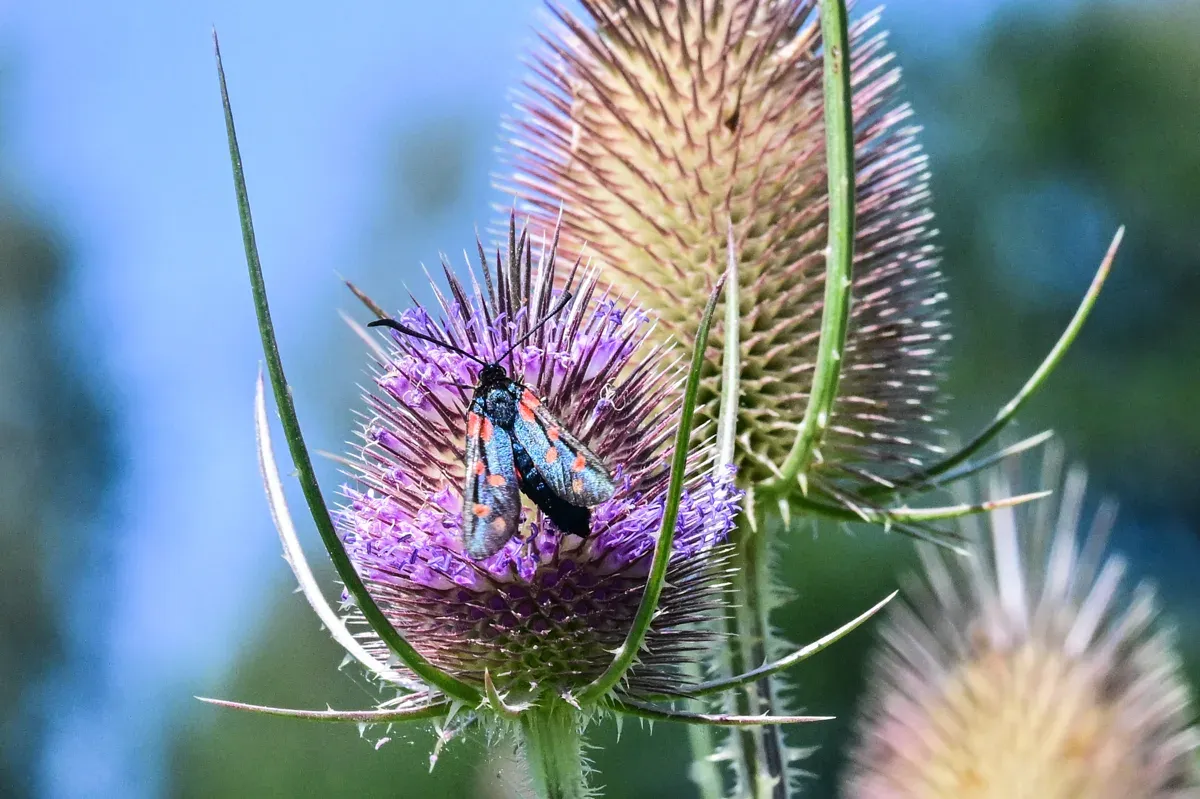
Valleys through which the brown bear still roams as a matter of course, coming out of the forest onto the meadow in the evening to forage. Thorn bushes in which the great grey shrike, extremely rare in Germany, is part of the usual species inventory. Meadows with butterflies you would look for in vain in Germany today, such as the Danube clouded yellow or the scarce swallowtail.
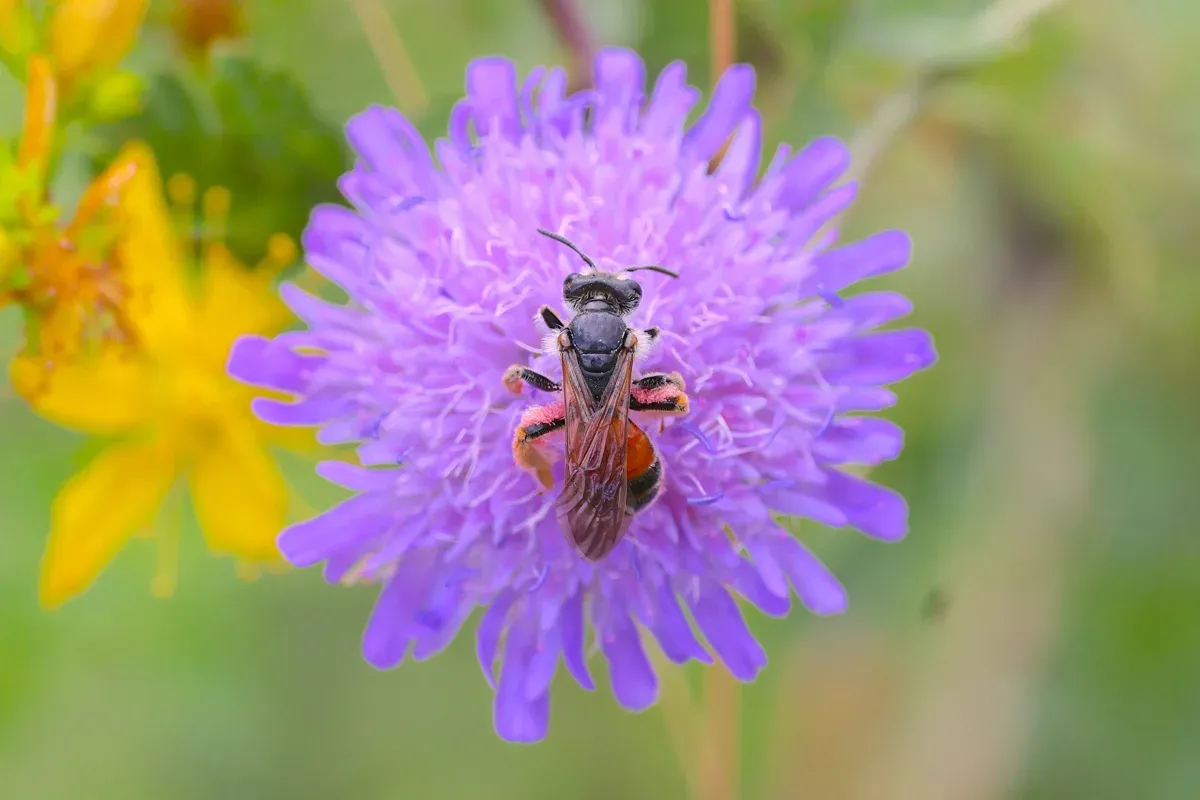
On the steeper slopes there are patches of bare ground - ideal nesting sites for wild bees. Colorful bee-eaters circle above the larger steep banks, where they have established their breeding colonies and dug small burrows into the loose soil.
On some of the extensive pastures, too, you will find numerous bird species that rank at the very top of the Red List in Germany. Here they are perfectly common. Whinchats use taller perennials in the meadows as their lookouts, and the hoarse song of the corn bunting drifts over from a bush. The tawny pipit has settled on patches of bare ground, while above it the woodlark trills its melodious song. Somewhere a pile of stones is, as a matter of course, occupied by a northern wheatear. From the damper meadows you hear the corncrake rasping in the evening. Barred warblers and red-backed shrikes breed everywhere in the thorny shrubs.
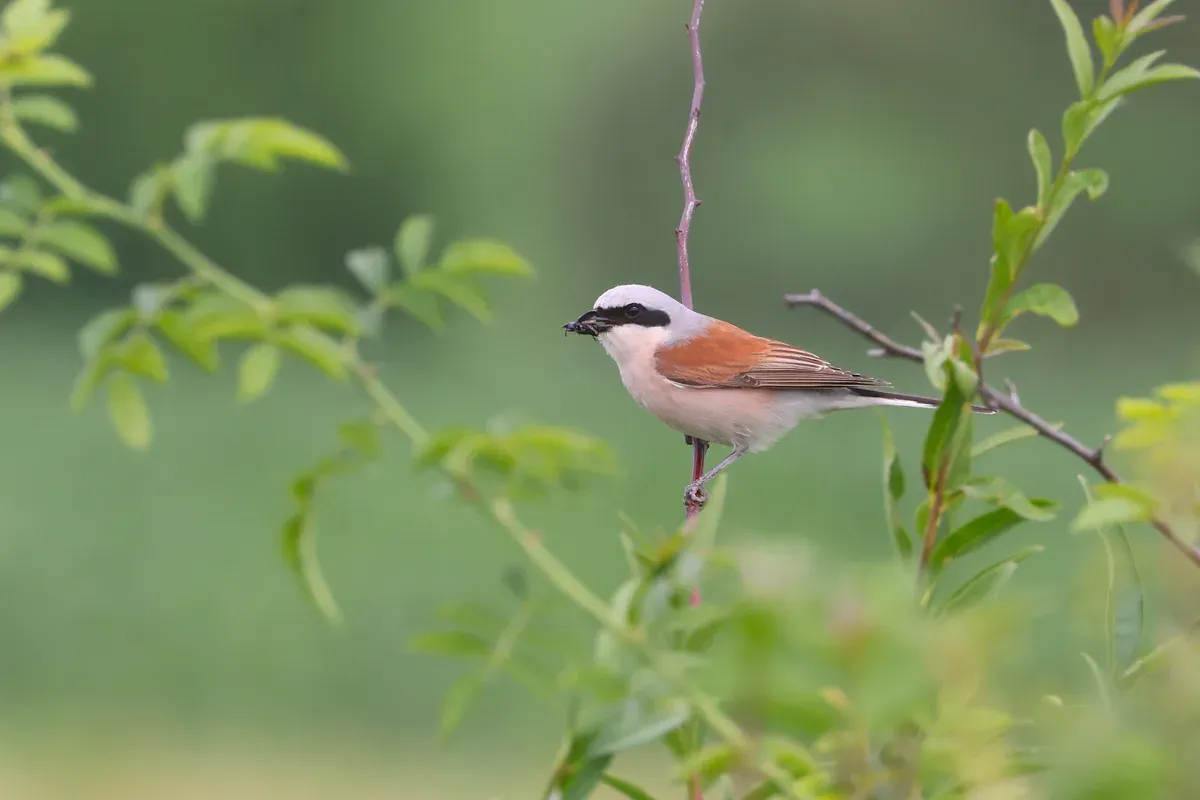
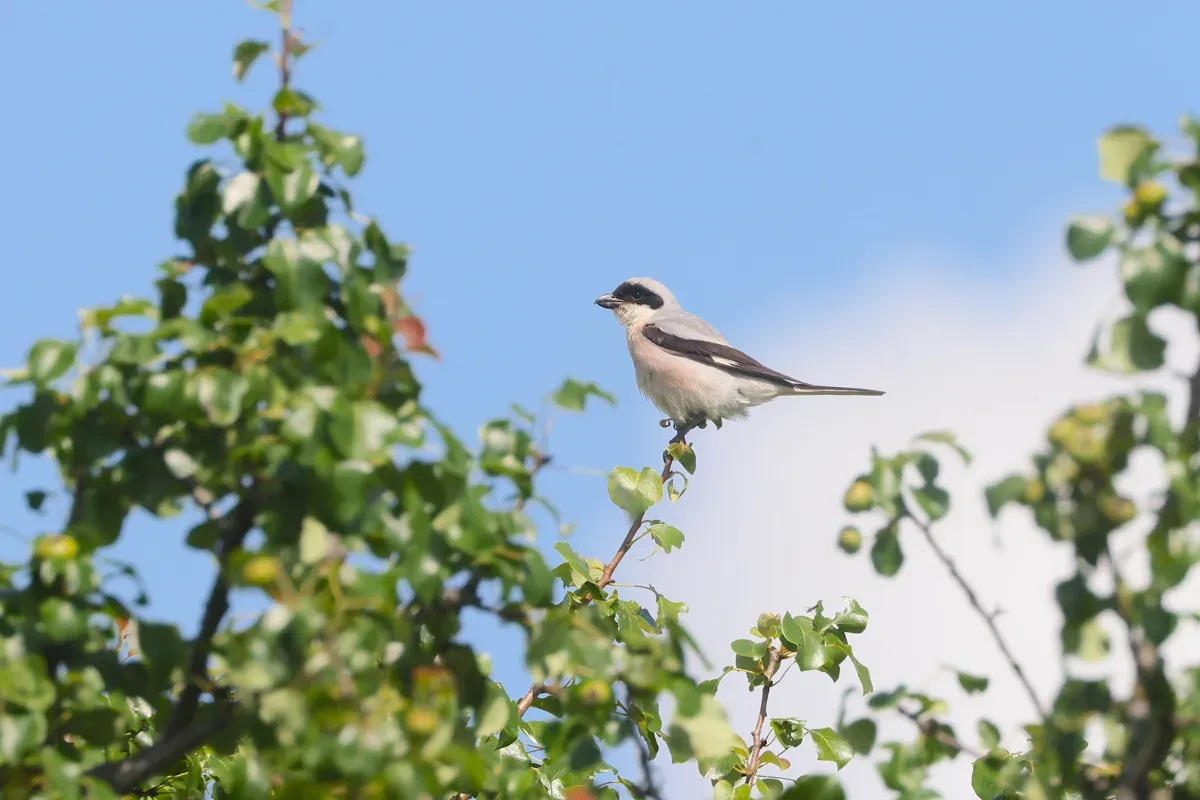
Its rare relatives, the great grey shrike and the lesser grey shrike, which has been extinct in Germany for decades, still live side by side here as well. Every bird species is in its ancestral place. The enormous wealth of structures and insects in these areas makes it possible for all these species to still be found here.
Transylvania also has a lot to offer in terms of cultural history: the UNESCO-listed village of Viscri (Deutsch-Weißkirch) with its impressive fortified church, or the beautiful old town of Sighișoara (Scheßburg) with its magnificent buildings and a real fairytale castle. Over centuries, the Transylvanian Saxons shaped the entire region at the foot of the Carpathians - with their culture, their buildings and also the way they used the landscape. Much of this has survived to this day and offers a glimpse into a world in which land use needed no nature conservation, because all the structures a rich diversity of species needs were simply there. And they still exist today - fortunately.
Among the most impressive landscapes you should see is, for example, the wood pasture of Mercheasa with its ancient, giant oaks, in which great spotted, middle spotted, green, grey-headed and lesser spotted woodpeckers as well as the wryneck breed, and on which rare deadwood beetles such as the great capricorn beetle or the stag beetle crawl about. The sweeping pasture landscape is home to very different forms of grazing: cattle, buffalo, horses, but also sheep and goats. This creates a unique mix of different land uses and vegetation types.
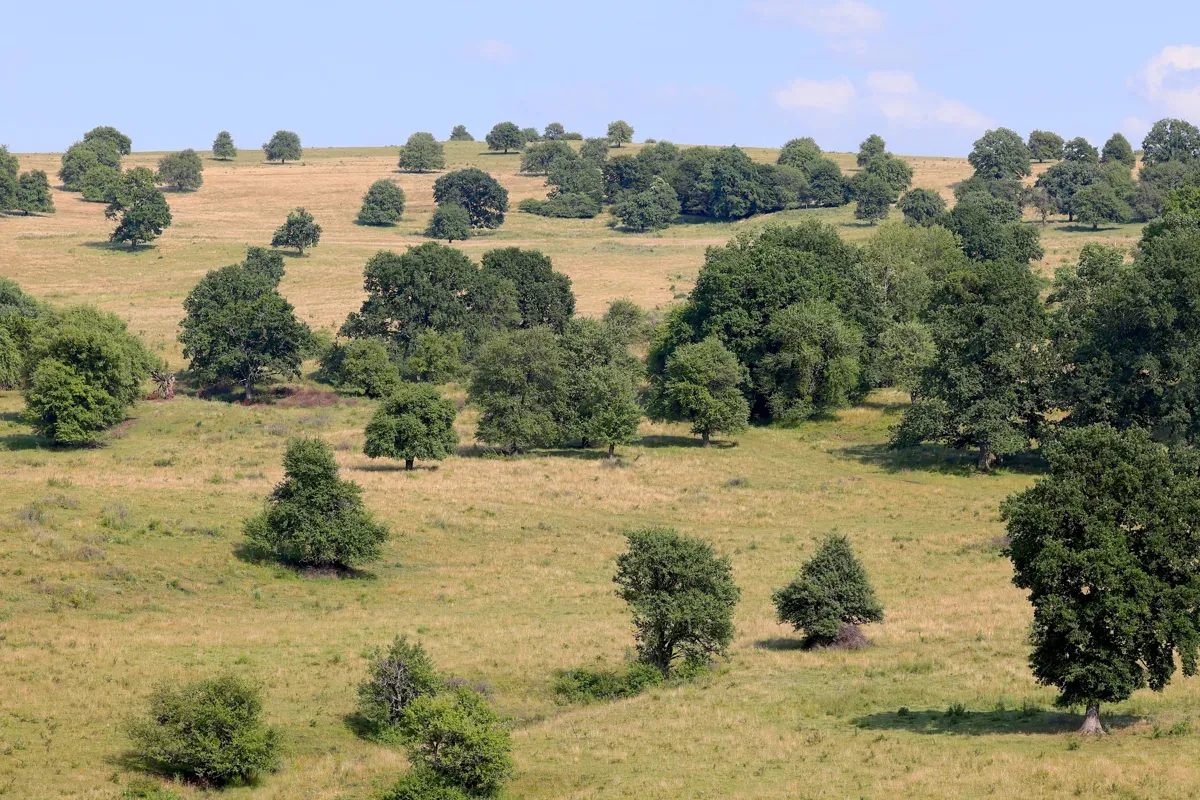
Comparable to the legendary Shire from "The Lord of the Rings" are the strangely shaped hills of the Hundertbücheln ("hundred hillocks") - small, steep knolls scattered by the dozen across the plain, offering a very special sight. Their slopes hold the most species-rich meadows, each with a very different character depending on location and orientation. Here you can experience a wide range of microhabitats in the smallest of spaces.
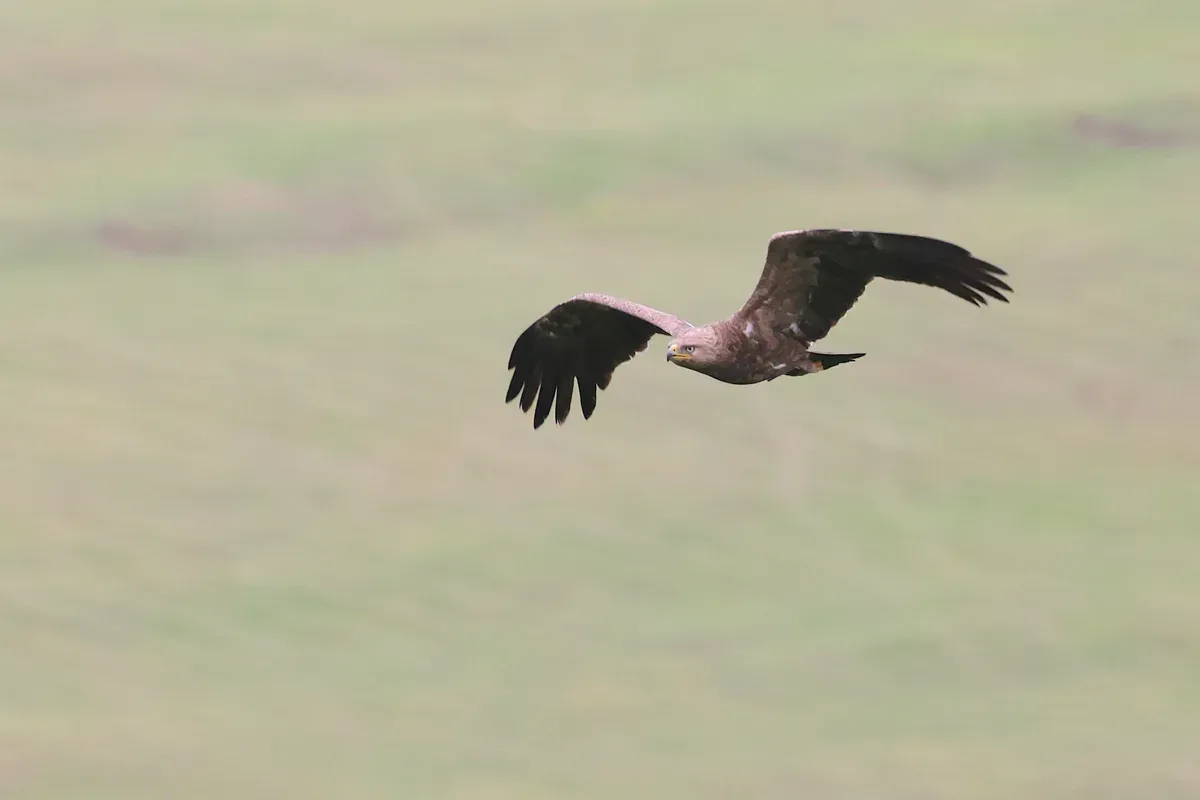
Regions in which the abundant birdlife, the fluttering of countless butterfly species and cattle, water buffalo, horses, goats and sheep grazing peacefully in the landscape conjure up living paintings. Birdsong, such as that of the golden oriole, the woodlark, the whinchat or the barred warbler, is everywhere here.
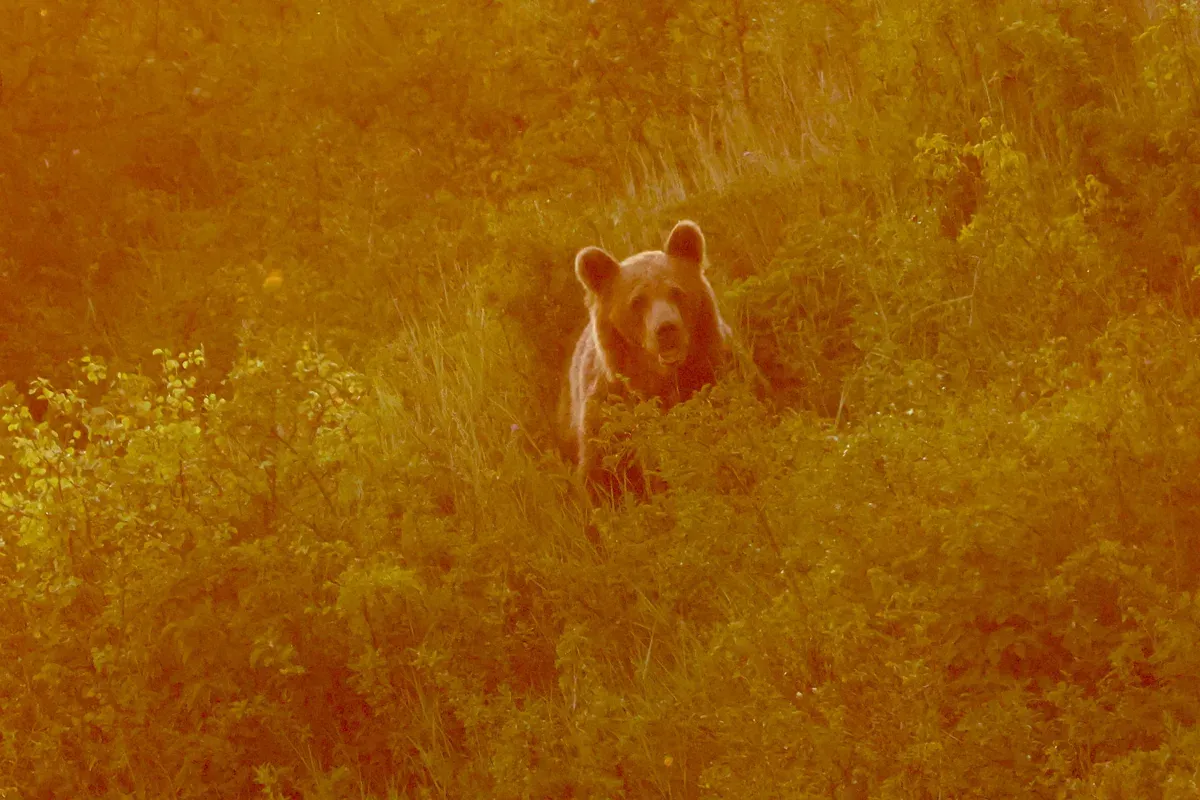
Anyone who would like to experience the unspoiled nature of European landscapes, discover an enormous diversity of species - not only among birds - and dare a leap into a completely different time should let themselves be enchanted by the charm of Transylvania, with landscapes like those that once existed almost everywhere in Europe.
Also read another article about the beauty of Transylvania: