During our report trip, we visited the outdoor equipment company Tatonka and were guided by Lukas Treffer from the company's marketing department, who told us about its history and led us through the company headquarters in Dasing near Augsburg.
From the wholesale company for backpacks to a specialist in outdoor equipment
In the early days, specifically since 1980, the business focus of the family-run wholesale company Mountain Sport was on distributing, among other things, for the world's leading backpack manufacturer Jansport from the USA. But soon, the company founder Winfried Schechinger had the plan to set up its own production. When researching suitable manufacturing partners, he finally found one in Vietnam, so that the first own backpacks were sewn in 1989. "Own" because both existing facilities in Ho Chi Minh City and in the Gia Lai province (formerly Binh Dinh province) were owned by the Bavarian family business from the start. This allowed the facilities to be set up according to European manufacturing standards and the Vietnamese employees to be trained and further developed accordingly. High social standards were also established from the beginning.
Now, the "baby" needed a new name, preferably one that expresses the company's ambition and characteristics. It should stand for nature, freedom, wilderness and strength, but also for teamwork. Inspired by the film "Dances with Wolves" and fascinated by the sacred animal of the prairie Indians, the bison, the company was renamed TATONKA in 1993, which is the Sioux word for this powerful herd animal.
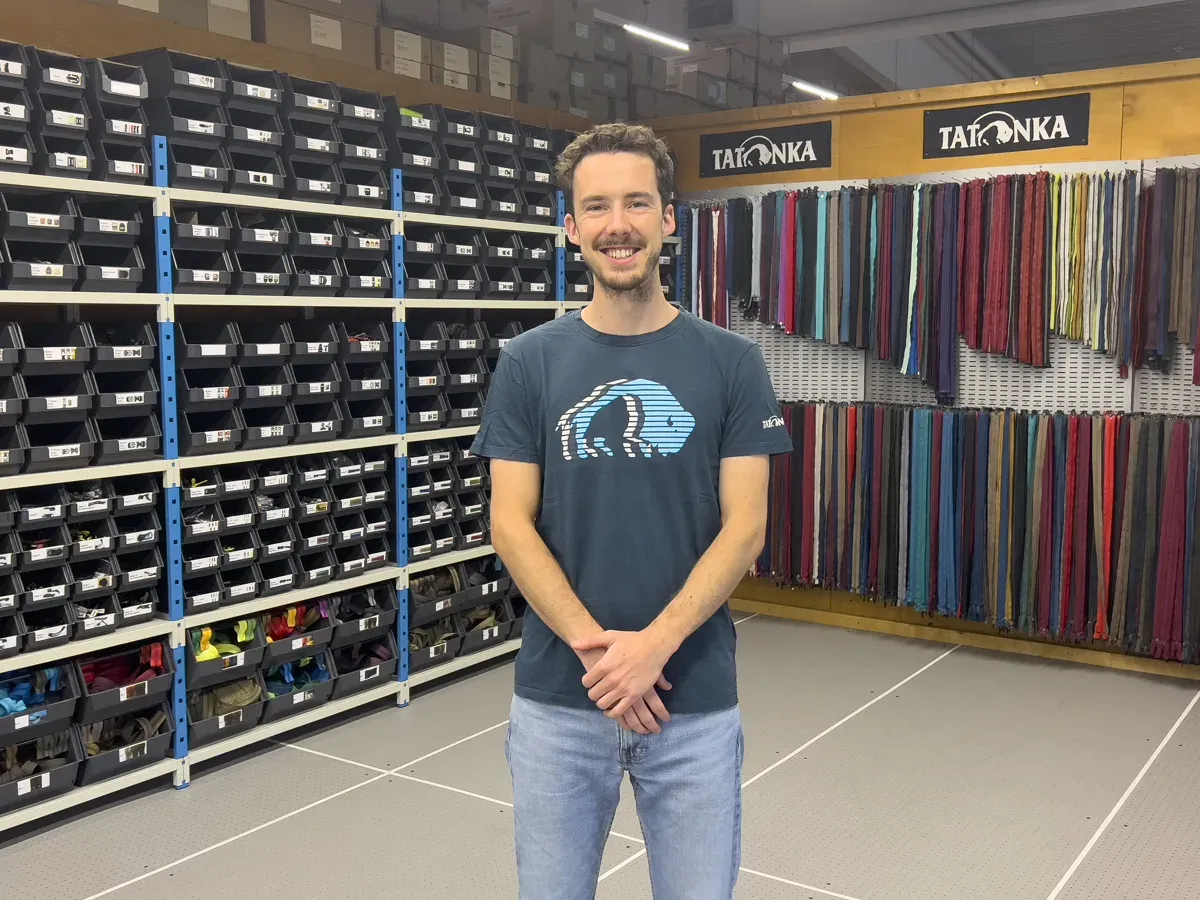
At Tatonka in Vietnam, 900 employees work now, which is significantly more than in the German headquarters, where about 70 people are responsible for product development, marketing, administration and deliveries throughout Europe.
Own production guarantees optimized processes and high social standards
Lukas Treffer reports on the advantages of their own production. This includes "that we can monitor production processes from start to finish, intervene at any time if necessary, react to necessary changes and quickly advance new developments". Another important aspect is that fair social standards can be better implemented and their compliance can be checked than in the case of contract manufacturers with further subcontractors.
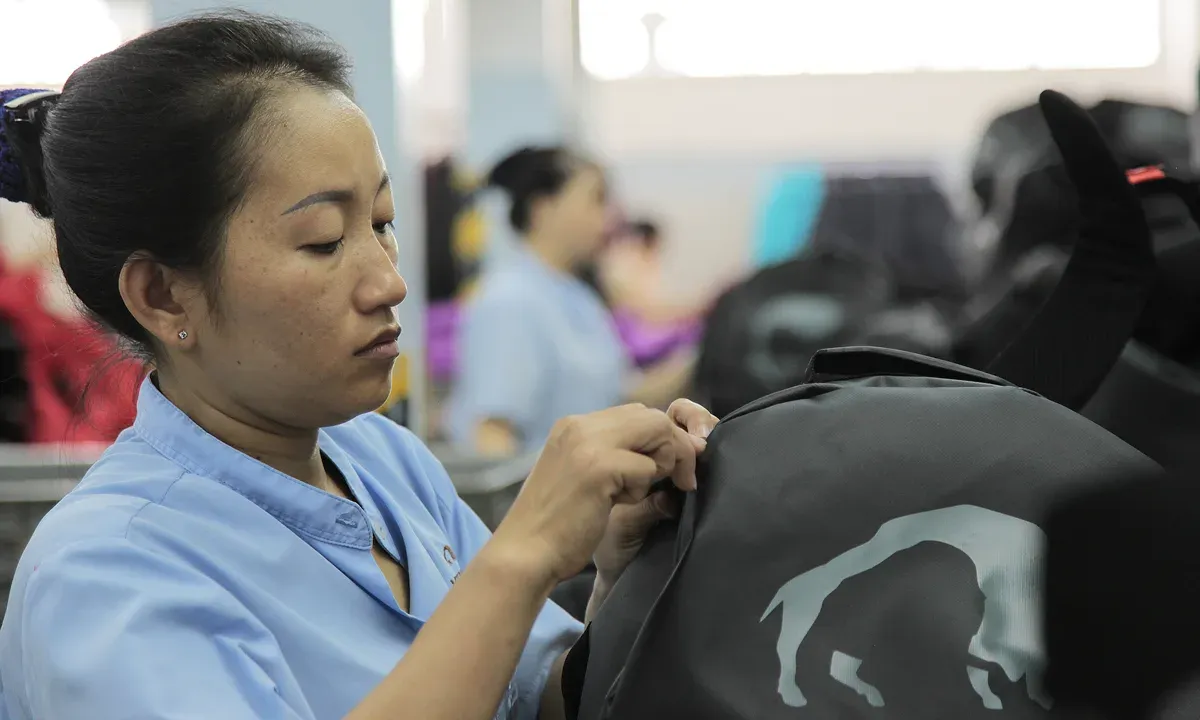
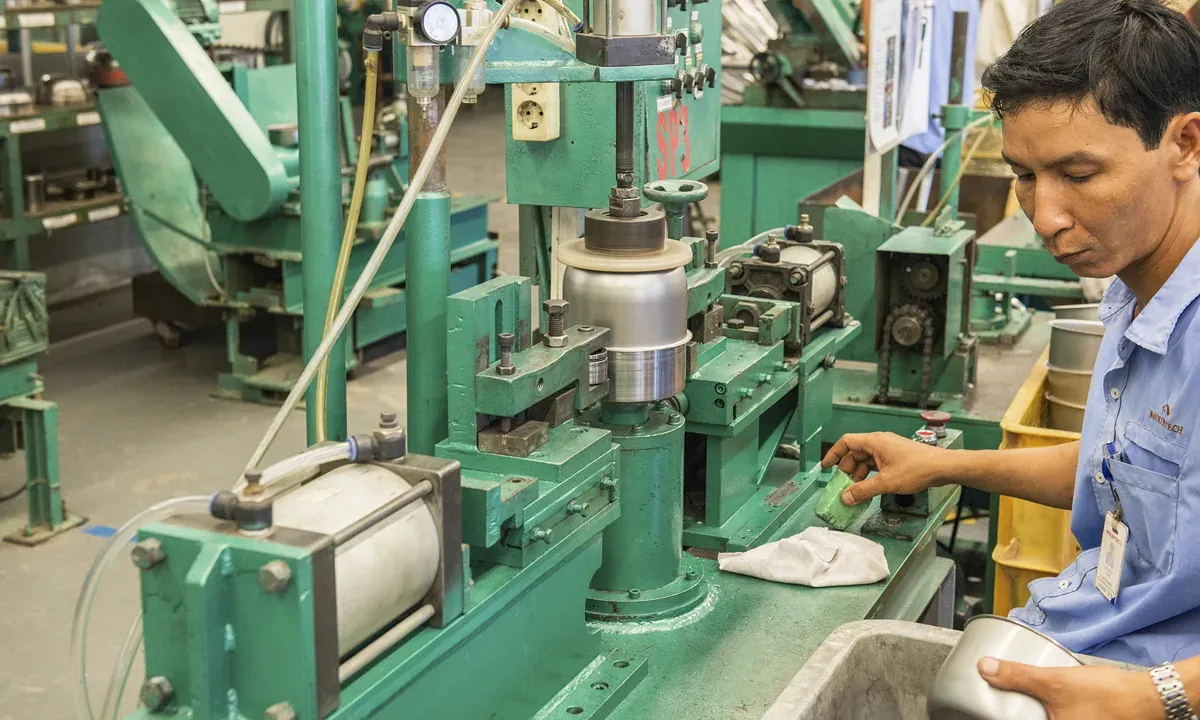
The company's own facility, Mountech Co. Ltd., has been certified according to the internationally recognized SA8000 standard since June 2011. In the same year, the European non-profit organization "MADE BY" confirmed the complete achievement of the specified social standards. The SA8000 certification is checked every six months and renewed after three years, most recently in 2020.
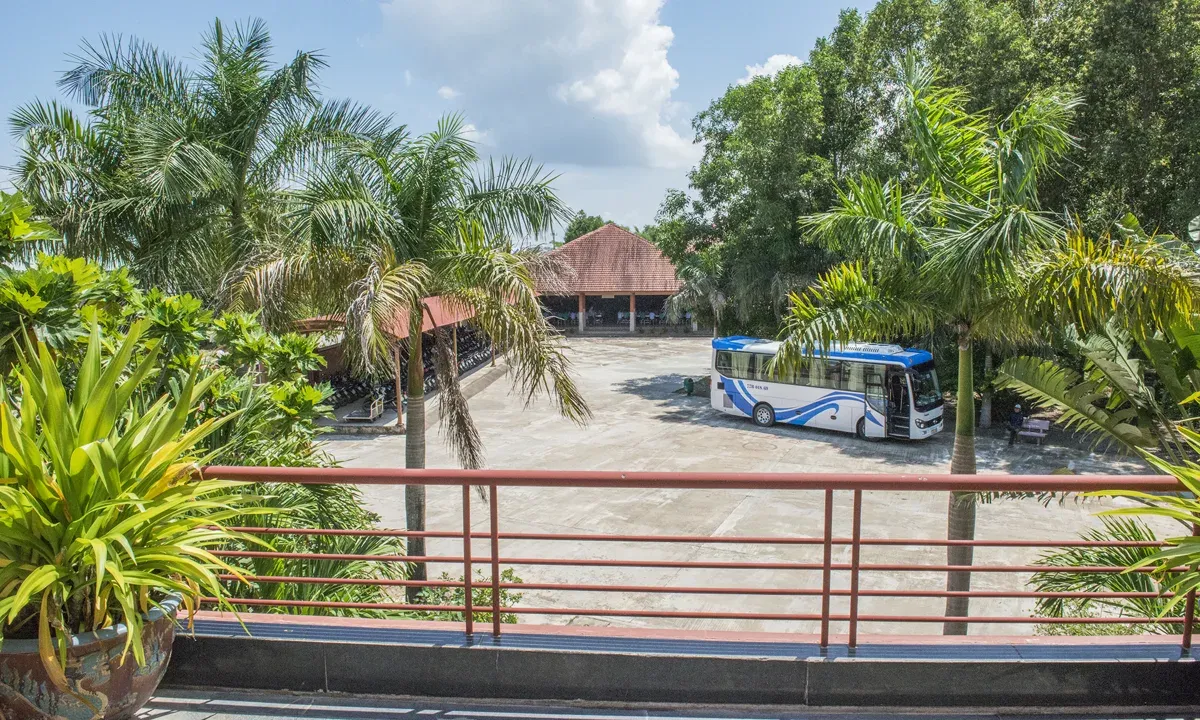
In the "open factory" of the facility in the capital, everyone can see the company's social responsibility towards its employees in Vietnam. The factory gates are open to visitors once a week.
Wide product range with high quality standards
Tatonka offers a variety of equipment for outdoor activities. Rucksacks of all kinds still form the central product group in the range. They differ depending on the purpose and users in those for trekking, climbing, hiking, travel or for women and children. Even a first-aid backpack can be found in the portfolio.
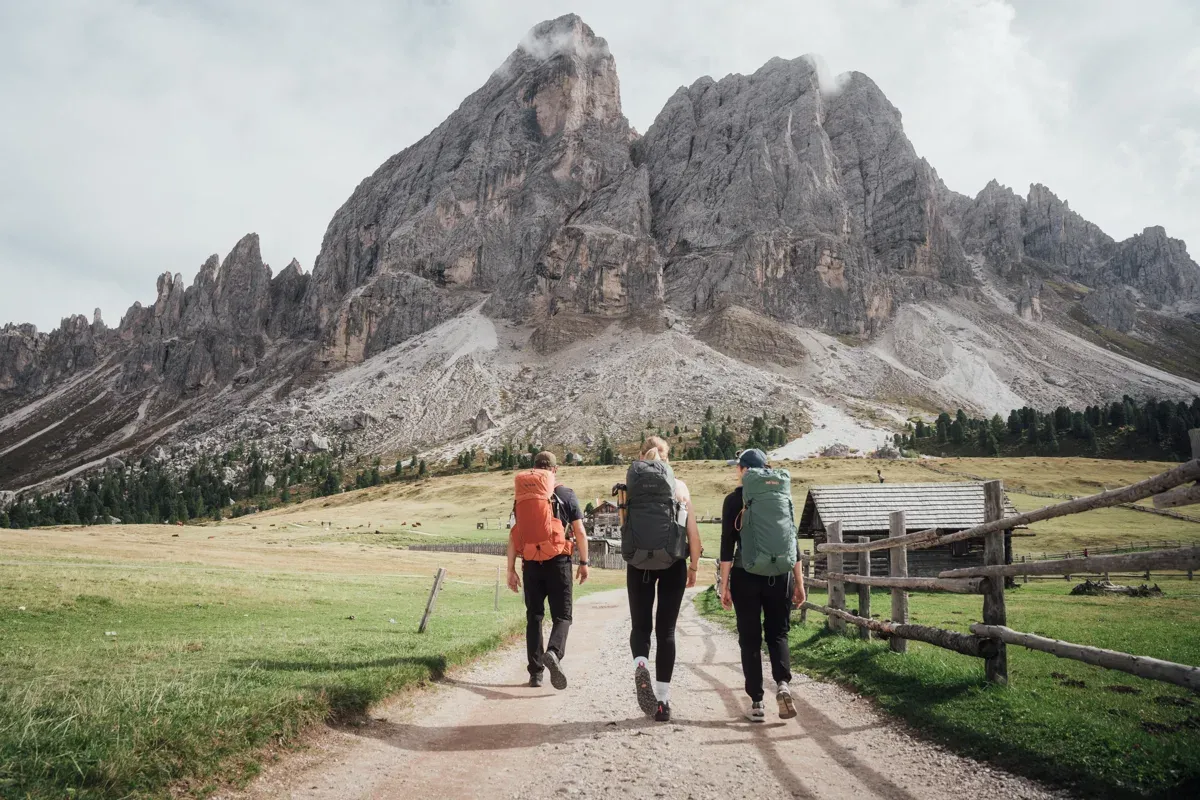
The offer also includes travel accessories, equipment for the outdoor kitchen such as plates, bowls, dishes or water bottles, outdoor accessories such as raincoats or mosquito protection and not least a variety of tents.
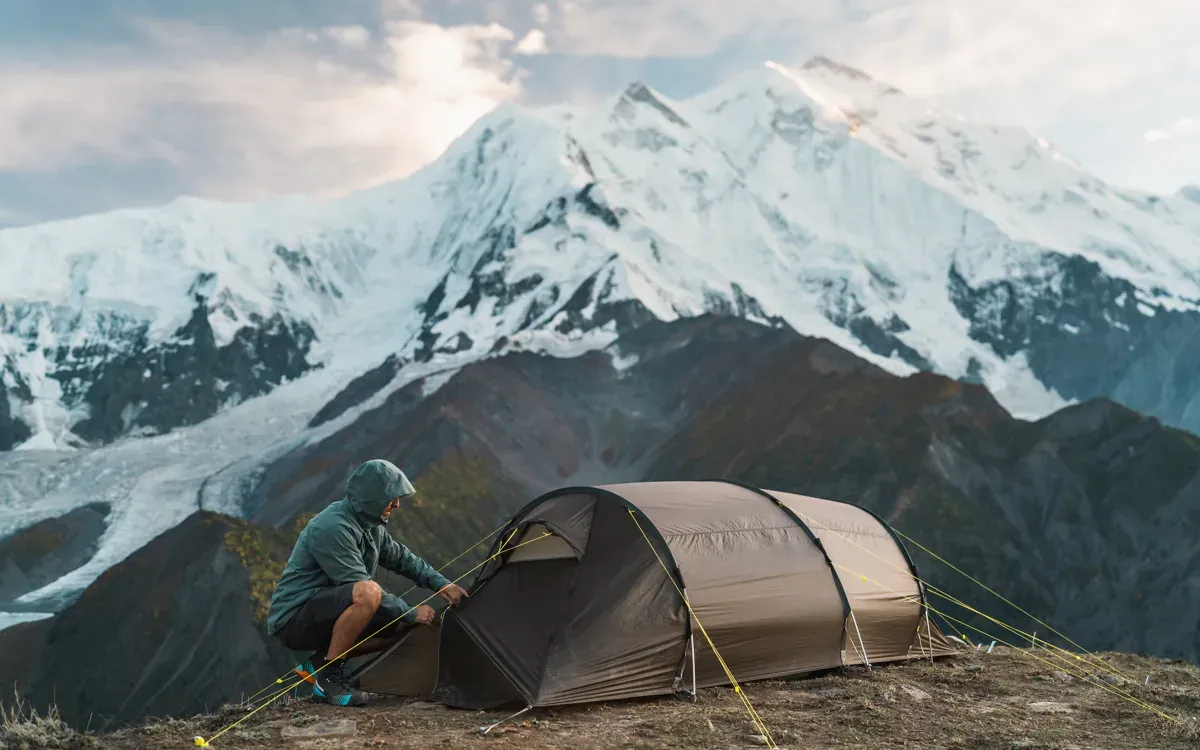
The Bavarian "Bison brand" formulates a high quality standard: "We use exclusively high-quality materials from reputable suppliers with whom we have been working for a long time. This allows us to ensure a consistently high quality and also to jointly drive material developments forward. And we insist on the best workmanship."
Longevity as a key factor
A high quality standard in material selection and manufacturing is essential for the longevity of products and this in turn contributes to environmental protection, as items that are used and worn for a long time do not end up in the trash early on and therefore do not need to be replaced quickly. Nevertheless, even the best products show signs of wear and tear or damage to particularly stressed parts over time. However, a broken zipper is still no reason to throw away a backpack. Therefore, a dedicated team at the Dasinger Tatonka headquarters takes care of a comprehensive repair service. From buckles to tent poles, all spare parts are available here.
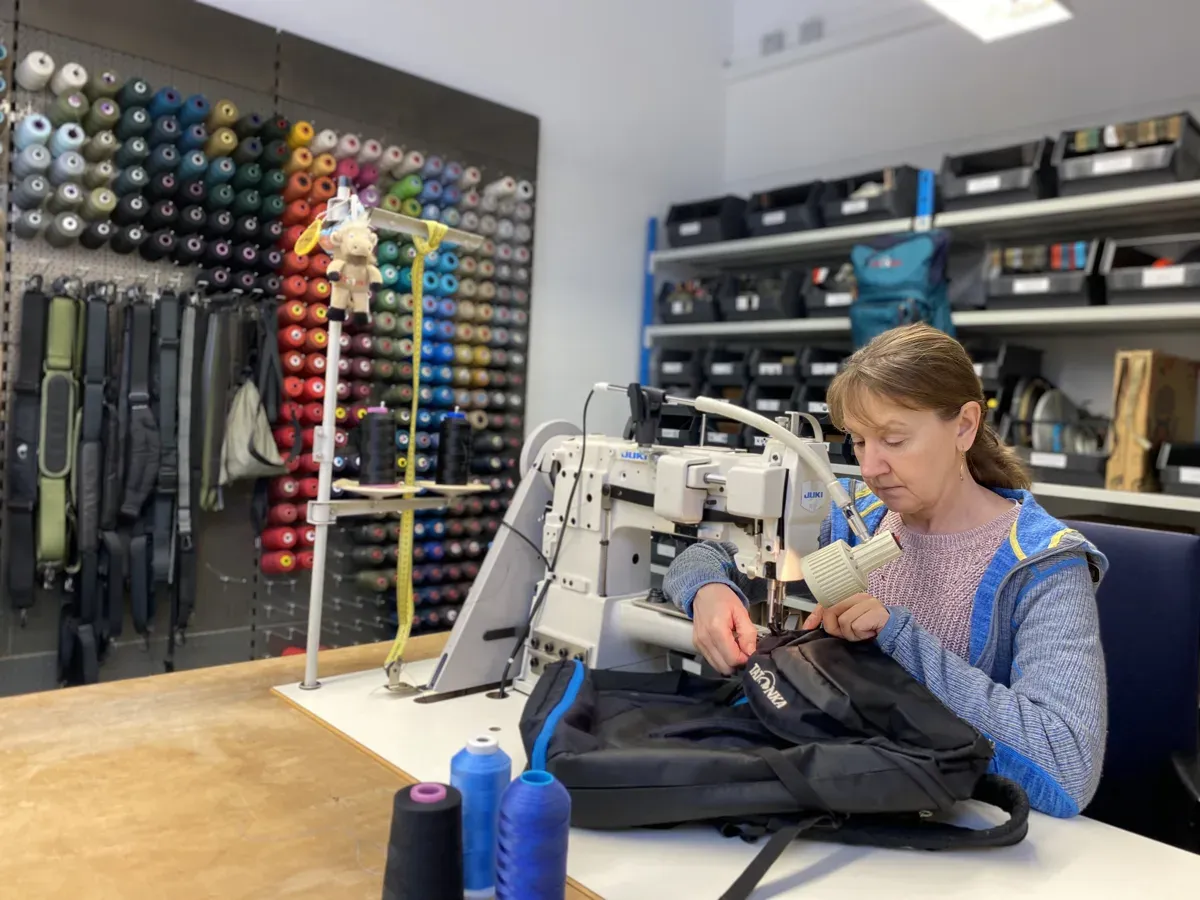
The following repairs can generally be carried out:
- Replacing buckles and closures
- Sewing up zippers
- Replacing buttons
- Replacing tent poles
- Repairing tent pole channels
- Replacing straps, backpack shoulder straps and GFK/aluminum bars
Transparency regarding manufacturing and material selection
As the company slogan "Responsible thinking – sustainable action" expresses, Tatonka communicates to consumers which products use sustainable materials. As the manufacturer admits, at the current state of technology they mostly cannot yet be used to 100 %, but the products are a comparatively more environmentally conscious choice, and ongoing development keeps improving them. Today, this range already includes numerous different articles.
For example, recycled materials such as recycled polyester or recycled polyamide, as well as materials from renewable, biodegradable and recyclable raw materials such as wool or organic cotton, are used. The fibers of the kapok tree, which are similar to cotton fibers, are also used. Due to their fine structure and fluffiness, they are also referred to as plant down. From an ecological point of view, the easy compostability and water saving compared to cotton cultivation are particularly positive. Where there are meaningful alternatives to existing petroleum-based materials, these are replaced with bio-based fabrics.
Tatonka also ensures that the suppliers manufacture the materials in a resource-saving and energy-saving manner. These do not contain any problematic substances and comply with REACH, meaning they comply with the European Chemicals Regulation. In the equipment collection, the company is intensively working on continuously increasing the proportion of PFC-free impregnated products. The PFC-free impregnation of a product is accordingly marked.
Traceability – transparent supply chain
The best way to avoid accusations of greenwashing is to have a maximum level of transparency. And this is what the Bavarian outdoor equipment company does. Via the new website Traceability by Tatonka, the path of all products purchased from 2016 onwards can be traced from the purchase of the materials to the manufacturing and transport, as well as the mode of transport.
After entering the serial number, which can be found on the product label, and the country in which the product was purchased, a world map with a detailed index appears on the website. It shows from which suppliers the materials used come and which sustainability certificates the manufacturers can present. The address is also made public, as is the start of the business relationship.
On the map, it can then be seen on which route and with which transport means the
materials are sent to the Tatonka factory in Vietnam. The production takes place in the Tatonka Mountech factory, after which the finished product continues its traceable journey to the destination, with the transport route and transport mode
are shown again, and that for every single product delivery. Remarkable: the finished goods travel from Vietnam by sea to Hamburg, from there by train to Munich, and only for the final leg to Dasing are trucks used. Sample collections are air-freighted just once a year, to save valuable time.
Because of in-house production, Tatonka controls all steps from material procurement to the transport of finished products, enabling efficient management. This creates the opportunity to combine many transport routes. This applies both to deliveries of materials from various manufacturers to the central warehouse in Vietnam and to the stocking of two factories from this central warehouse, as well as to the central export of all manufactured products in a container. This saves resources and reduces CO2 emissions.
100 percent self-generated green electricity
Tatonka focuses on self-responsibility and therefore not only produces its goods completely itself, but also the energy required for this. After a photovoltaic system with 828 solar panels was put into operation in August 2023 in the production facility in Binh Dinh, which already covered approximately 65% of the electricity demand with 550 kWp, this was further expanded in the second half of 2024 by another 450 kWp. Thus, the electricity requirement of the in-house manufacturing company Mountech Co.Ltd. is covered to 100% with solar power, and surplus electricity is even fed back into the state grid.
Now a total of 1,612 solar panels (828 previously + 784 new) generate an average of 5,200 kilowatt-hours of energy per day – more than sufficient to cover the entire energy needs of the manufacturing process. Due to the consistent sunlight in this country located near the equator, the plant can be used with almost constant efficiency throughout the year. This results in an annual reduction of approximately 1,518,400 kg of harmful CO² emissions compared to fossil fuel generation.
Both the construction of the first section of the photovoltaic plant and its expansion were completely self-funded without any financial support.
"It is an investment that pays off ecologically and ultimately economically as well – that is how it has to be if a company wants to run a healthy business."
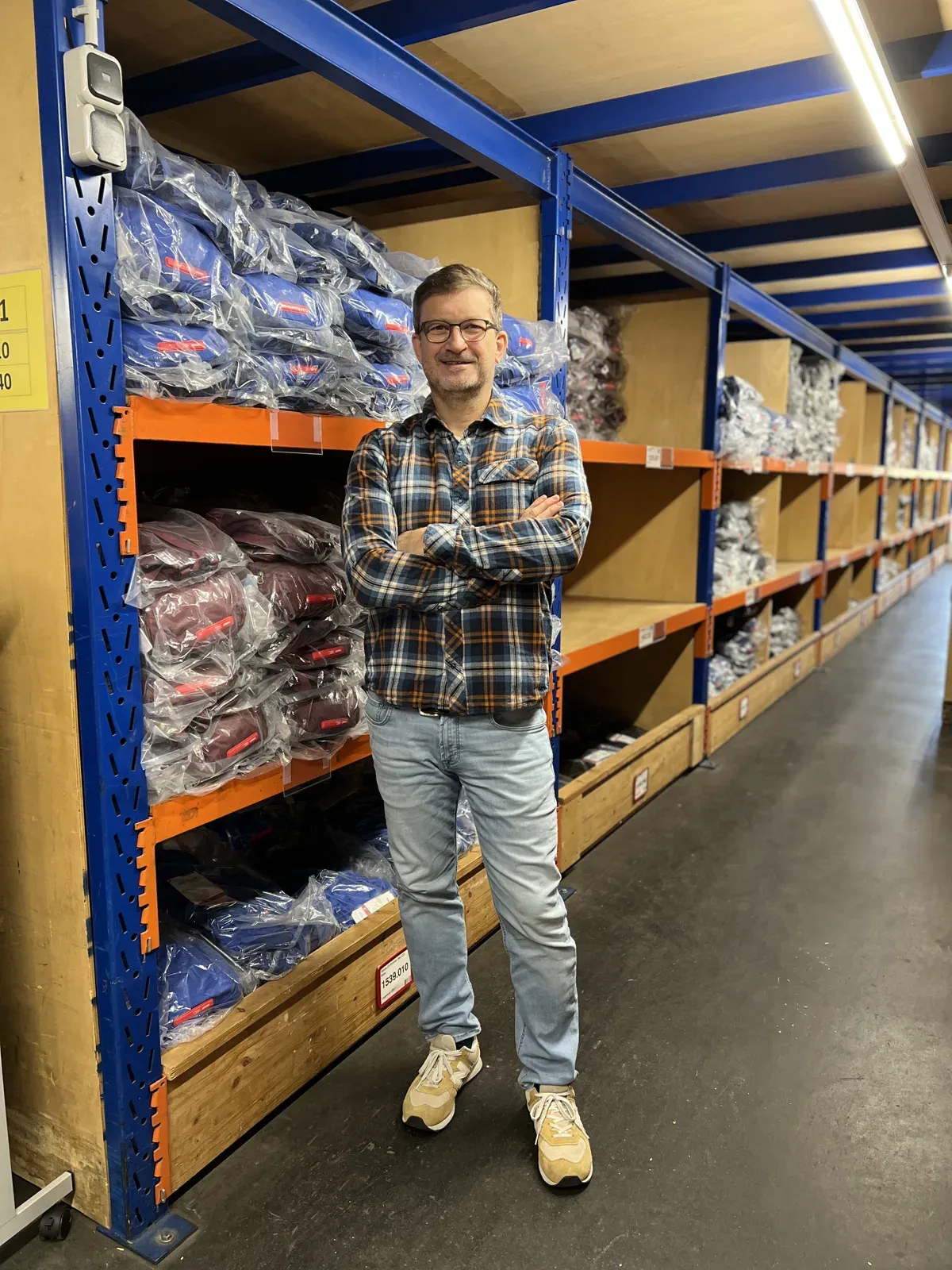
"The decision to expand the facility was made relatively quickly after we determined that it was functioning smoothly." Schechinger once again emphasizes the advantages of "in-house" production: Investment is made where immediate improvements can be achieved, which can also be transparently communicated.
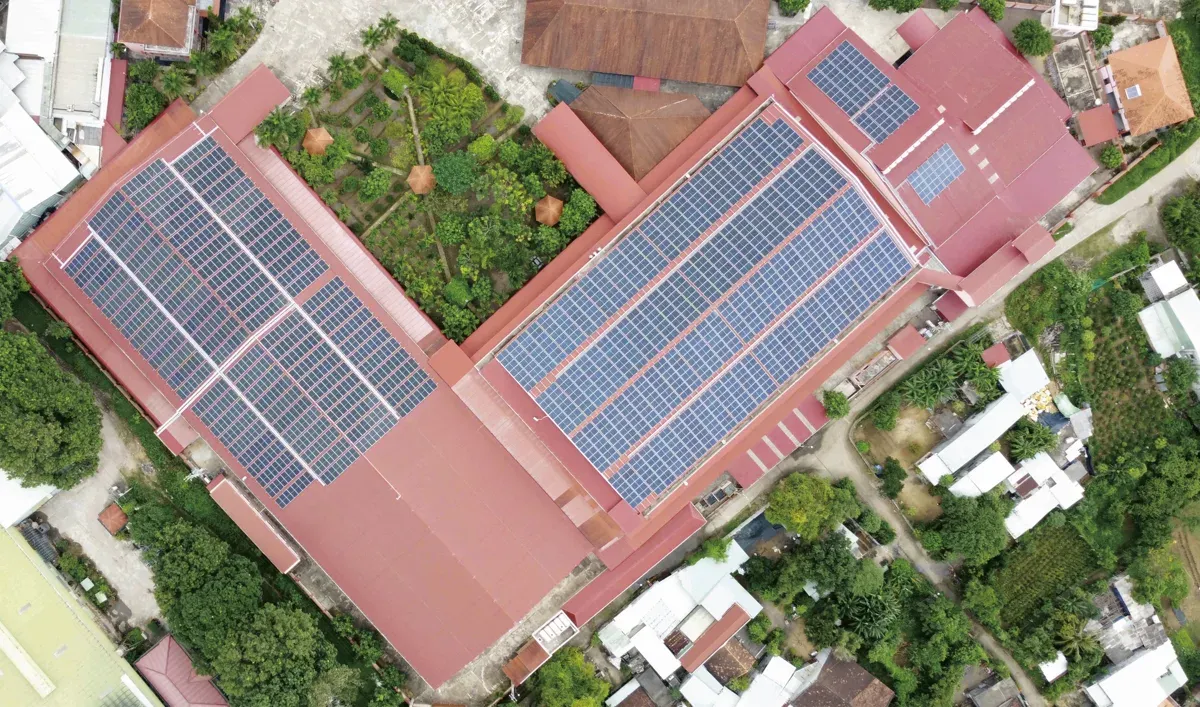
The project was completely self-funded, and the system is expected to pay for itself within a period of approximately ten years. A 65 kWp photovoltaic system was already installed at the company's headquarters in Dasing 18 years ago. 384 solar panels have been feeding CO2-neutral electricity into the German power grid since January 2008 – to date, a total of 1.067 megawatt-hours.
Links:
Social standards: www.openfactory.tatonka.com
Traceability: https://www.tatonka.com/de/traceability-by-tatonka/
Videos: