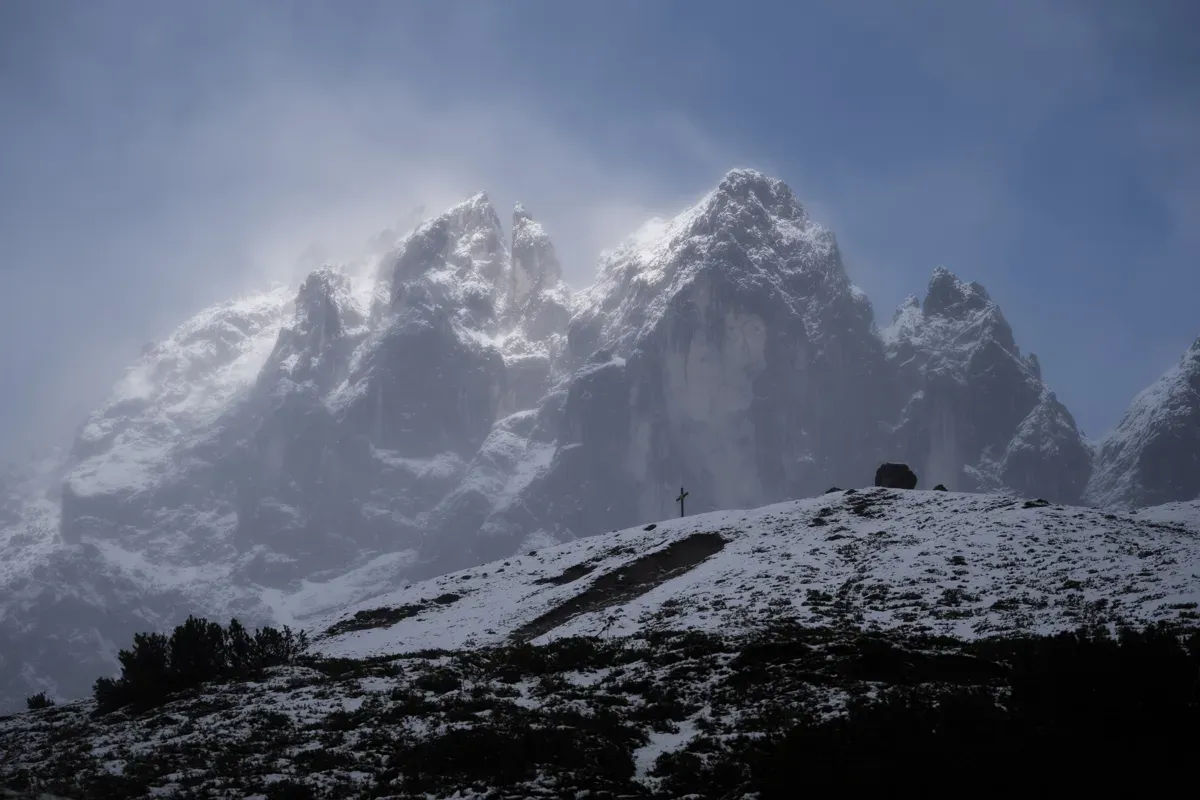
The Wilder Kaiser is one of the most distinctive limestone formations in northern Tyrol. Like an open horseshoe, the Kaiser mountain range lies between the Chiemgau Alps and the main Alpine ridge. The "horseshoe" is separated by the Kaiserbach valley, which can be reached from Kufstein. The arch of the "horseshoe" is formed by the Stripsenjoch area. The lower Kaiser, located southeast, forms the "end".
The most beautiful view is offered from south, for example, from the summit of the Hohen Salve. On the sunny southern slopes, the mountain and tourist villages of Söll, Scheffau, Elmau and Going are lined up from west to east, like pearls on a string.
The valley between the "Kaisers" has probably been inhabited since around 28,000 years ago, as archaeological finds suggest, which represents the earliest evidence of settlement in Tyrol. Numerous traces of continuous settlement from the Copper and Bronze Ages, dating back four to five thousand years ago, have been found. Perhaps the name "Kaiser" comes from the visual impression that the mountain range gives from several sides, "…is like a kaiser's crown…", according to a Kitzbühel goods register from 1240.
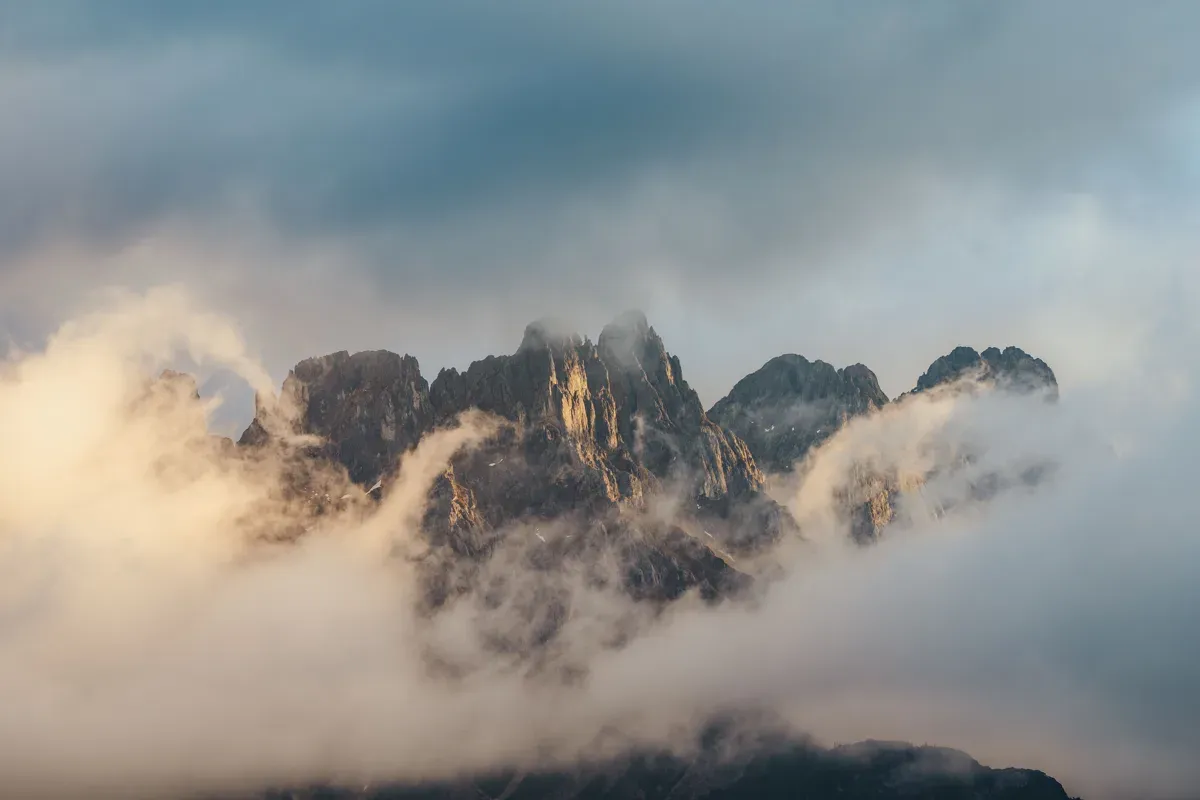
Since 1963, the entire area has been protected, as a result of which the mountain landscape here is almost completely free of cable cars and roads. Only the "access" from Kufstein is facilitated by a funicular and is possible via a – non-public transport – road. Only on the south side of the Wilder Kaiser, in the aforementioned "Kaiser towns", there are ski resorts.
Flora and Fauna
The "imperial" flora and fauna is typical for the alpine regions of the Northern Alps, such as in the Karwendel mountain range and the Wetterstein and Rofan, where eagles fly through the air, marmots play their playful games, and chamois and sometimes also ibex skillfully balance on ridges and in valleys. Well-camouflaged snow hares can also be discovered, as well as smaller and larger mammals such as foxes and badgers. The slopes are dominated by firs and spruces, interspersed with larches, beeches and mountain ash. Higher up, the dwarf-like forms of latches and pink alpine roses reign. The number of species in the Kaisergebirge nature reserve and the Ramsar protection area is remarkable, due to the diverse landscape with clear mountain lakes, streams, steep walls and forests. In addition to more than 900 different flowers, there are 38 fern species, about 400 mosses and lichens, all of which are protected. We will discuss the natural pearls of the region in more detail in a separate article soon.
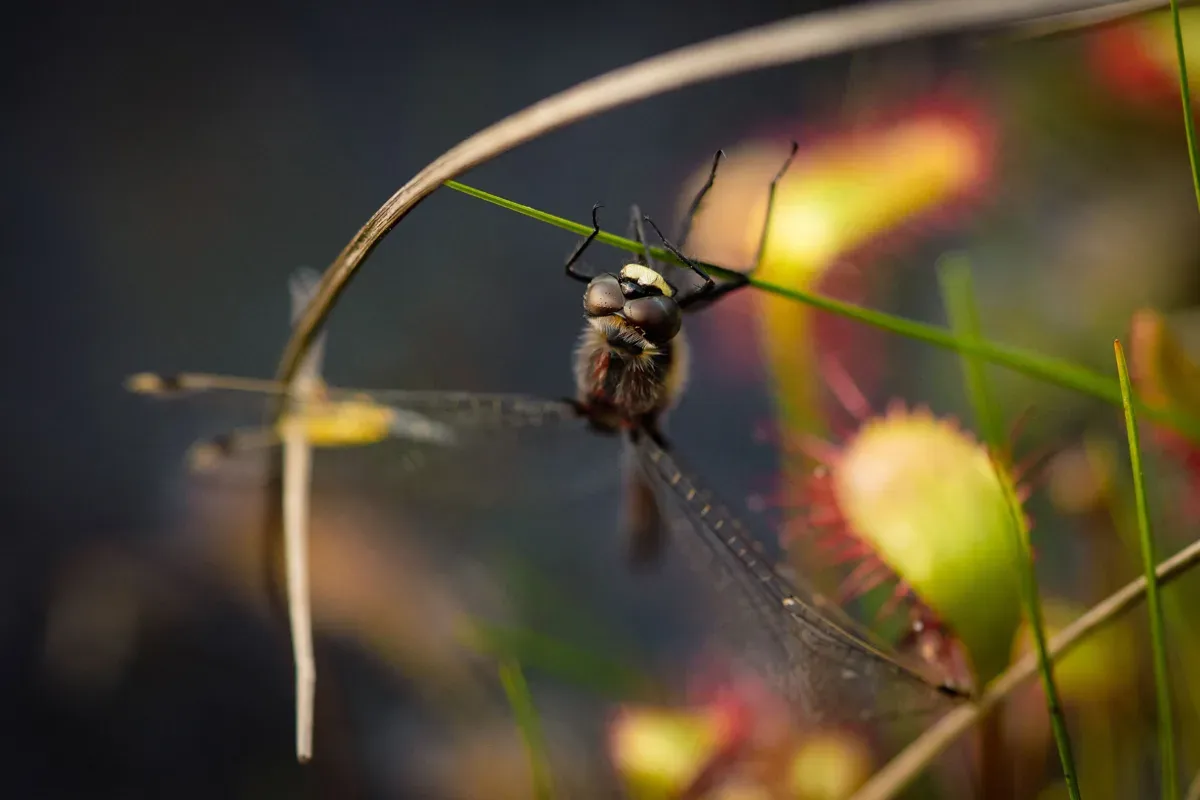
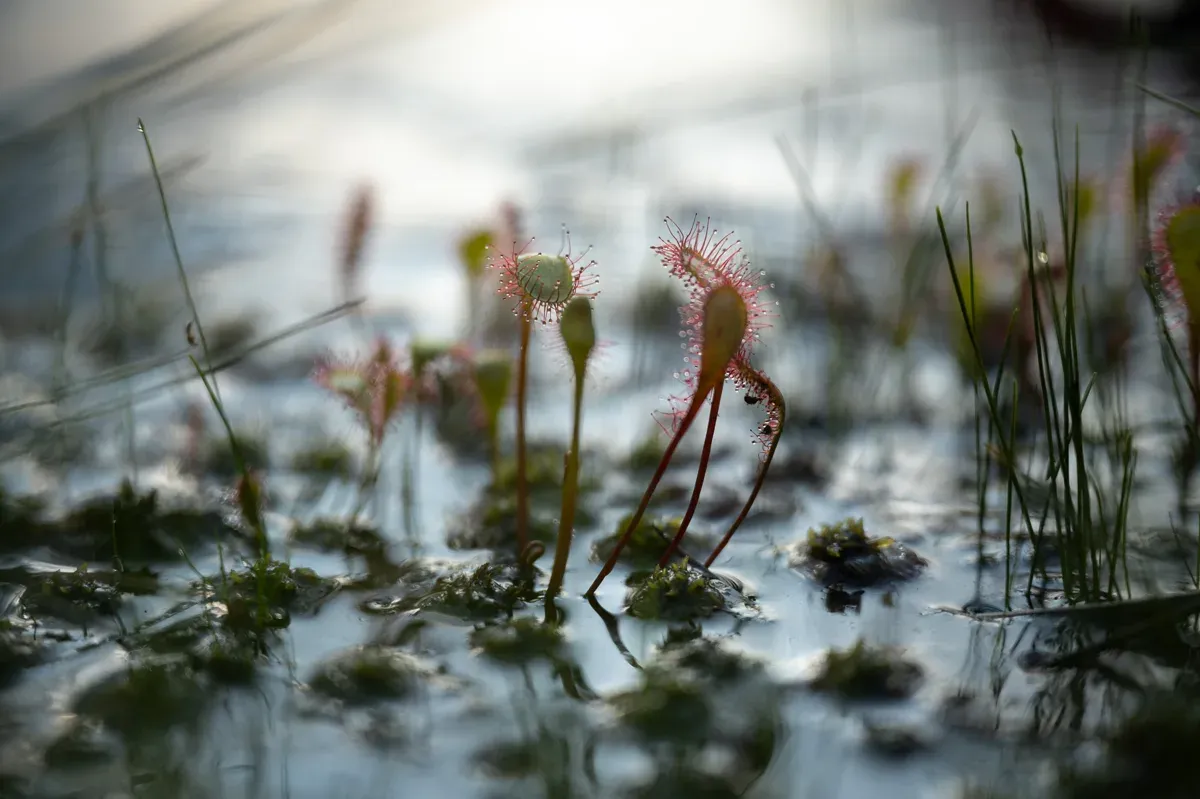
In particular, the moorlands are excellent biotopes for insects, small animals and carnivorous plants.
Hiking and mountaineering
The Wilder Kaiser is especially a playground for experienced alpinists, names like Fleischbank, Totenkirchl, Christaturm and Goinger Halt have a almost mystical reputation, but they have also demanded several victims over time. The extremely rugged limestone landscape attracts both professional and amateur climbers again and again. The Kaiser is also a hiking paradise, not only the "Adlerweg" leads through the area, but also the Kaisertal itself, as well as Feld and Heuberg, the Stripsenjoch or the Hintersteiner See, are only a selection of popular hiking routes. The area is also accessible for hikers and climbers through numerous huts and accommodation options.
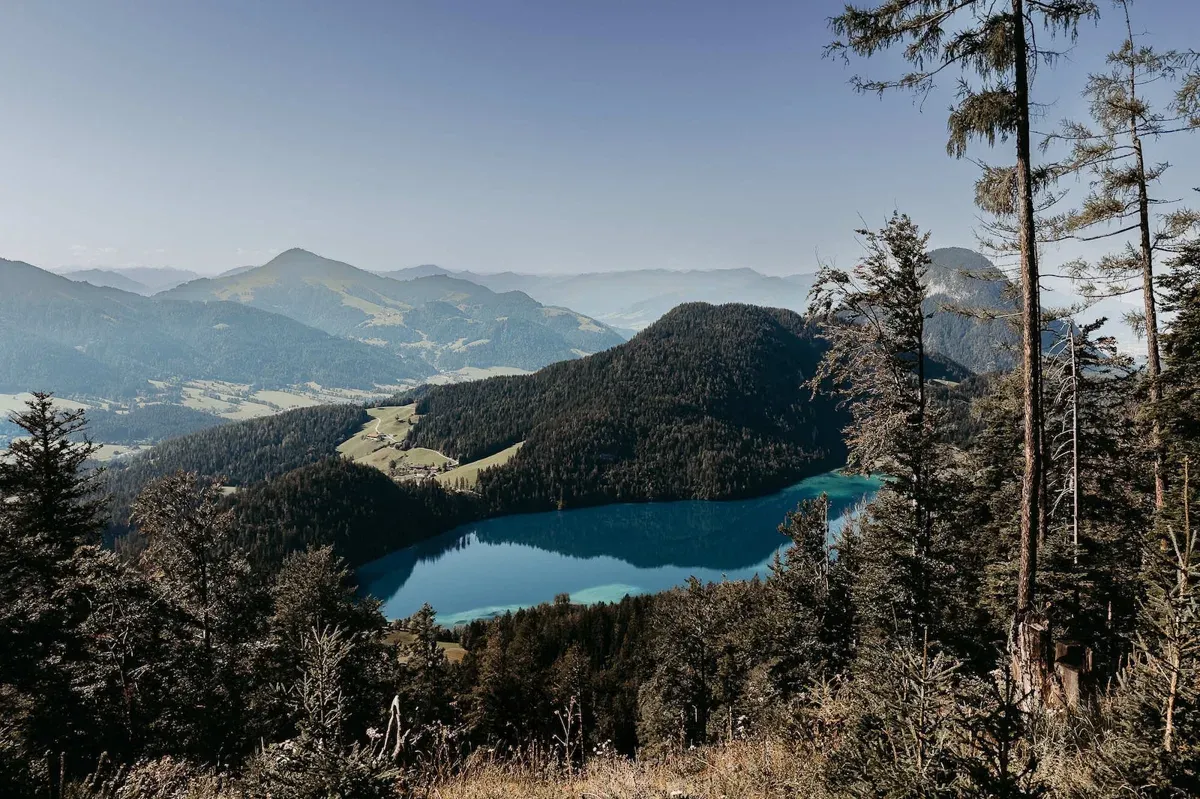
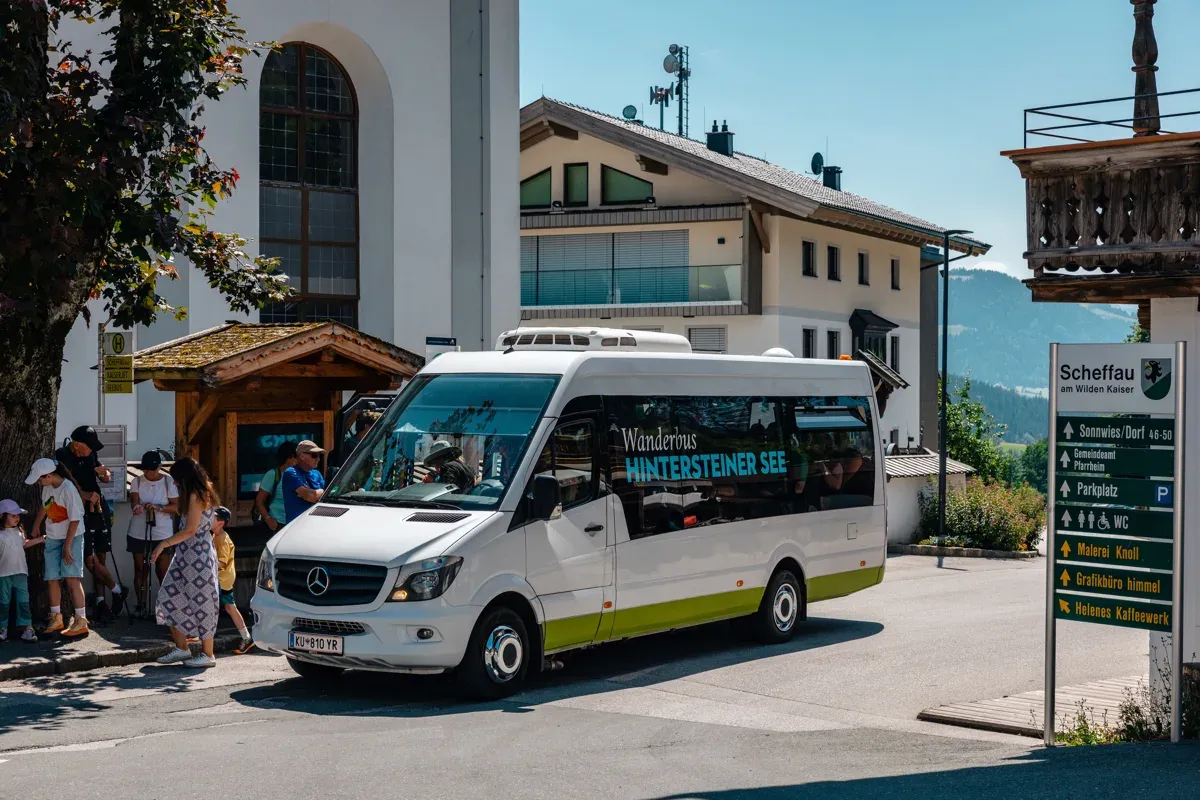
In addition to lakes, the region also offers a lot, a well-known body of water in the valley is the Walchsee, located under the northern slopes of the Zahmer Kaiser. It offers all types of water sports, as it is the warmest lake in northern Tyrol. The Hintersteiner See, north of Scheffau, also offers the opportunity to practice water sports. It is also the cleanest bathing lake in Tyrol. You can hike the jewel along several routes or easily reach it by shuttle bus. The access with your own car is generally possible, but is subject to restrictions, for example, at high visitor numbers. A good option is to get to the lake by bicycle/e-bike. Its circumference is a popular hike for day trips and tourists. The higher mountain lakes are all taboo for sporting use, as the ecological balance is too fragile there. Due to the glaciation of the last ice age, there are also some moorlands with their own species diversity, some of which can be explored on foot along designated paths.
Sustainability at the Wilder Kaiser
The attractive and challenging natural environment, its central location and good accessibility ensure a considerable influx of tourists both in summer and in winter, which must be managed responsibly. This has been recognized by the tourism associations and pioneering work has been carried out in some aspects. "Sustainable quality of life through successful tourism" is the motto of the Tyrolean holiday region – and this is particularly emphasized with the green (train) access, mobility on site and concrete nature conservation measures, dialogue and participation.
This forward-looking view on tourism and its challenges, with aspects of home preservation, securing the income of the local population, and long-term nature conservation in combination with a great offer for recreation and experience seekers, results in a well-thought-out strategy, which is particularly focused on sustainable mobility options.
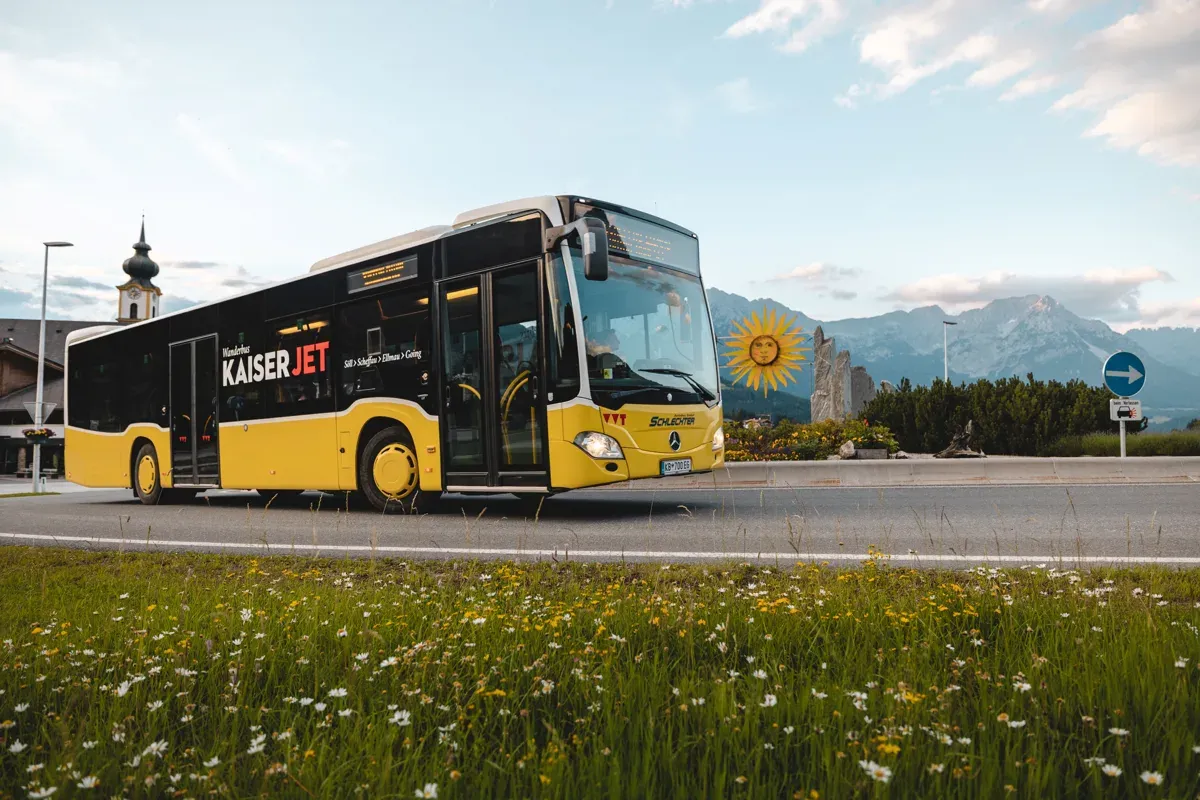
There are three key areas: the journey to the holiday destination, the "last mile" to the accommodation and mobility on site, for example, the transport services to the starting points of hiking, mountain and ski tours. This is explained by Lukas Krösslhuber, Managing Director of the Wilder Kaiser Tourism Association:
Tourism in the region is "not an end in itself, but the best way to increase the quality of life for the people who live, work and vacation here." This means: creating leisure opportunities, securing economic development and preserving the intact nature – the prerequisite for successful tourism.
In Tyrol, Krösslhuber says, the focus in tourism is increasingly on the impact on the living and natural environment. For example, the electricity for operating the cable cars is 100% green, because it is generated from hydropower. "For purely economic reasons," Austrian cable cars have reduced their energy consumption by 20 percent in the last ten years – more than any other industry.
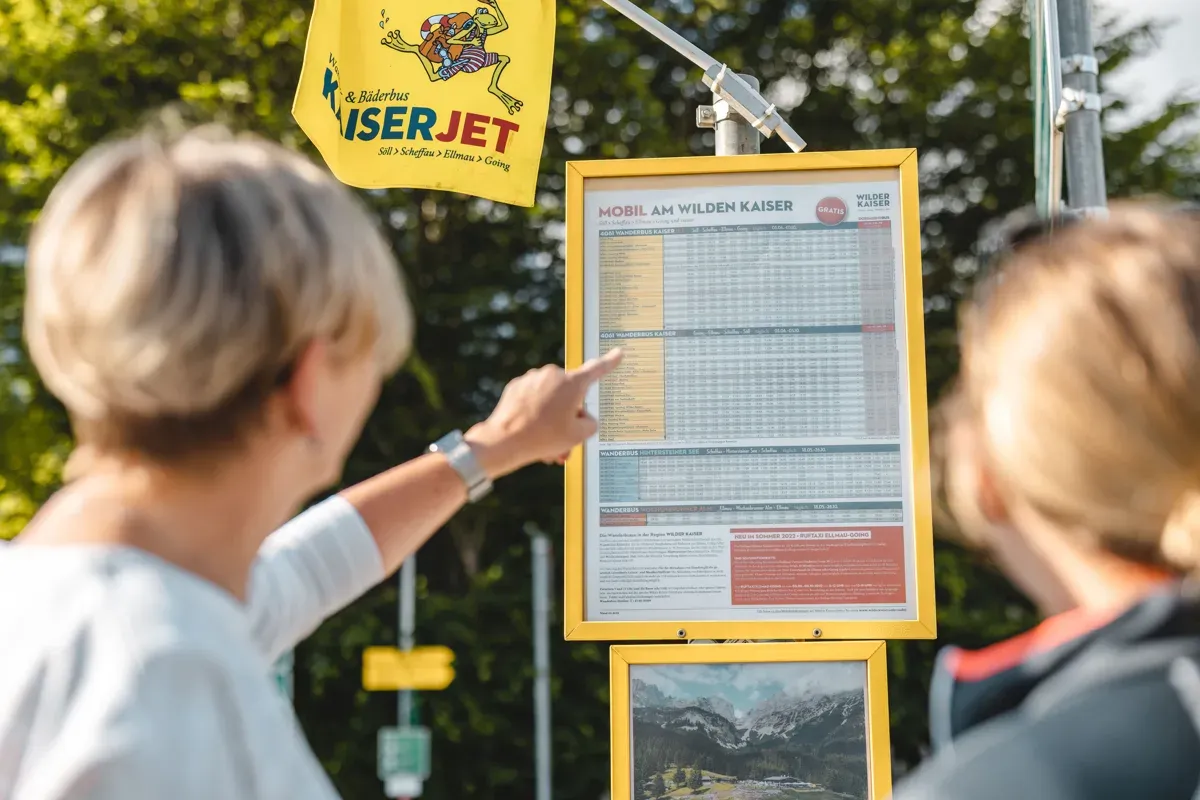
Both environmentally and socially valuable is the avoidance of individual transport through free, well-developed on-site mobility. Up to 21 ski and hiking buses are traveling in the region at the same time. In addition, the tourism association and over 150 catering businesses offer free transfers from the train station to accommodation to train passengers as part of the "Green Arrival" program. It emphasizes that the Wild Kaiser was the first region to introduce a train station shuttle already ten years ago.
Green Arrival and On-Site Mobility in the Wild Kaiser
Those who book "Green Arrival" can enjoy additional benefits in addition to the free shuttle service, namely free mobility with KaiserJet, ski, hiking and lake buses and RegioRad, as well as 10 percent discount on ski or e-bike rental.
With this highly successful offer, it is easy to enjoy a vacation without a car and, incidentally, to reduce or avoid the largest part of CO2 that we produce on vacation. Because making tourism as environmentally friendly as possible is a major concern for the Wilder Kaiser region. "With our 'Green Arrival' offer, we want to reduce this factor by offering a new, station-friendly guest and making the transition attractive for our regular guests. In addition, our on-site mobility makes having a car unnecessary.
Pioneer in On-Site Mobility
But not only the journey by train contributes to environmental protection, but also the mobility on site. Here, the Wilder Kaiser region has long been considered a pioneer, as it has been dealing intensively with mobility concepts for years, which make having a car on site unnecessary. For its commitment in the area of "Sustainable Mobility", the Wilder Kaiser Tourism Association was awarded the Energy Globe Award for Tyrol in 2023.
GästeCard
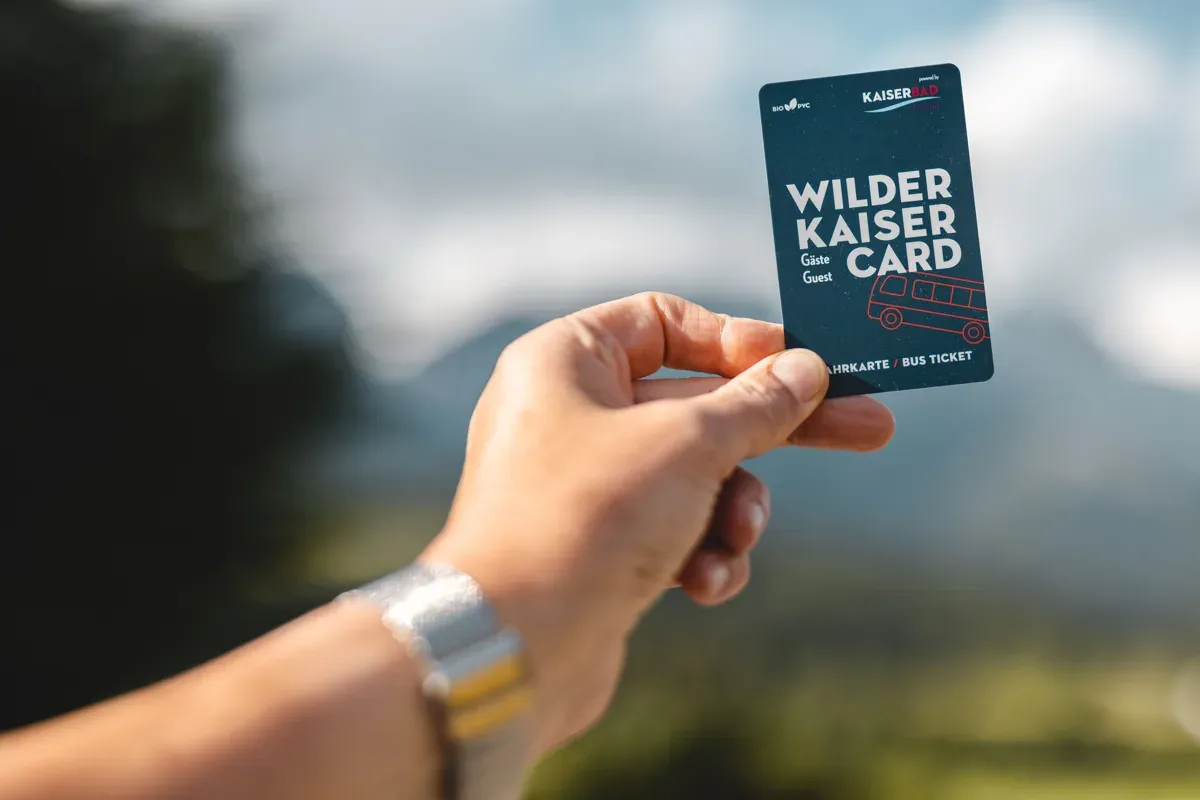
Mobility in the Wilder Kaiser is free. Every overnight guest receives the Wilder Kaiser GästeCard from their/her host, either in advance, digitally on their mobile phone, in order to be able to use it from the start of their arrival, for example, for the regular public bus of the Tirol (VVT) transport company. So, those who arrive in Wörgl, Kufstein or St. Johann by train can also use the GästeCard to travel free on the Öffi buses to Ellmau, Going, Scheffau and Söll.
KaiserJet
Between the municipalities, the KaiserJet bus line runs in the main season, with which tourists can conveniently travel back and forth between the four Kaiser towns at a frequency of half an hour. Since March 2024, the KaiserJet is also in operation in winter to enable guests to participate in the März Up! Aktiv program.
Ski, Lake and Hiking Bus
In winter, there are local ski buses in all four towns. To the Hintersteiner Lake (entry point in Scheffau) and the popular hiking starting points Wochenbrunner Alm (entry point in Ellmau) and Hüttling (entry point in Going and Ellmau), there are also own buses in summer, in addition to the KaiserJet, to travel.
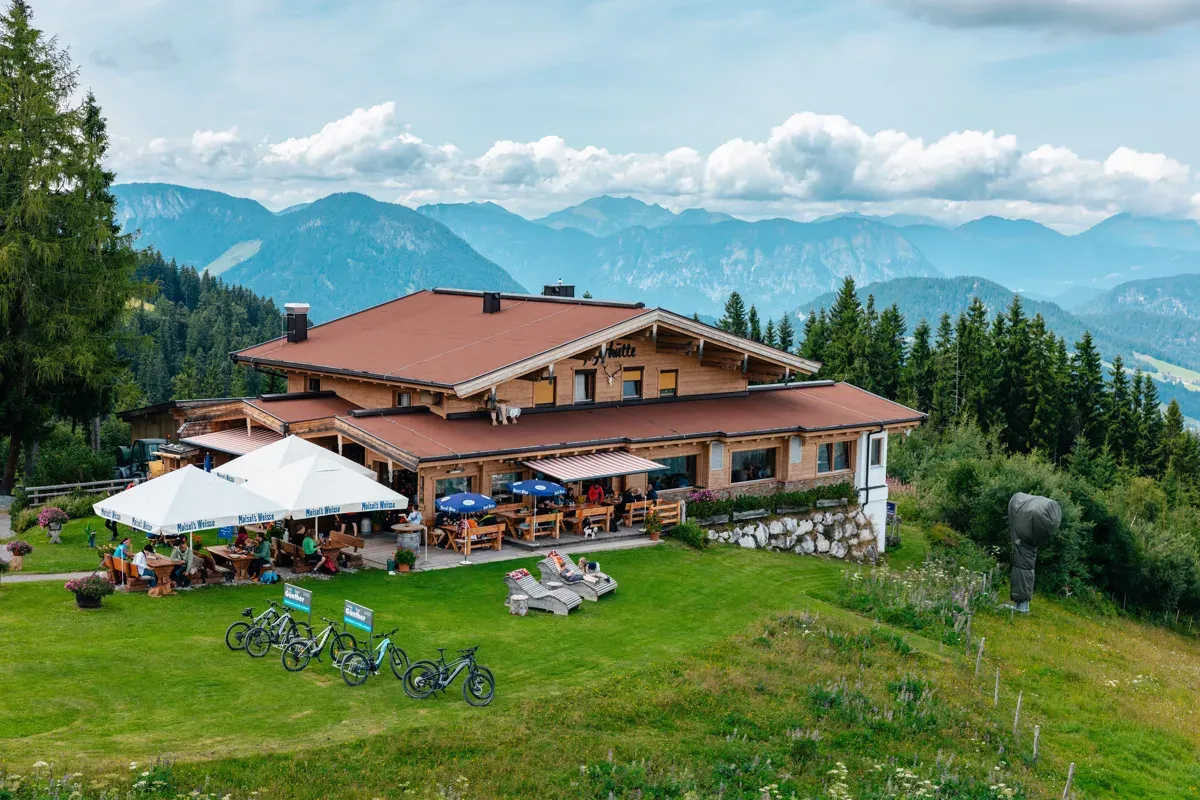
E-bike rental
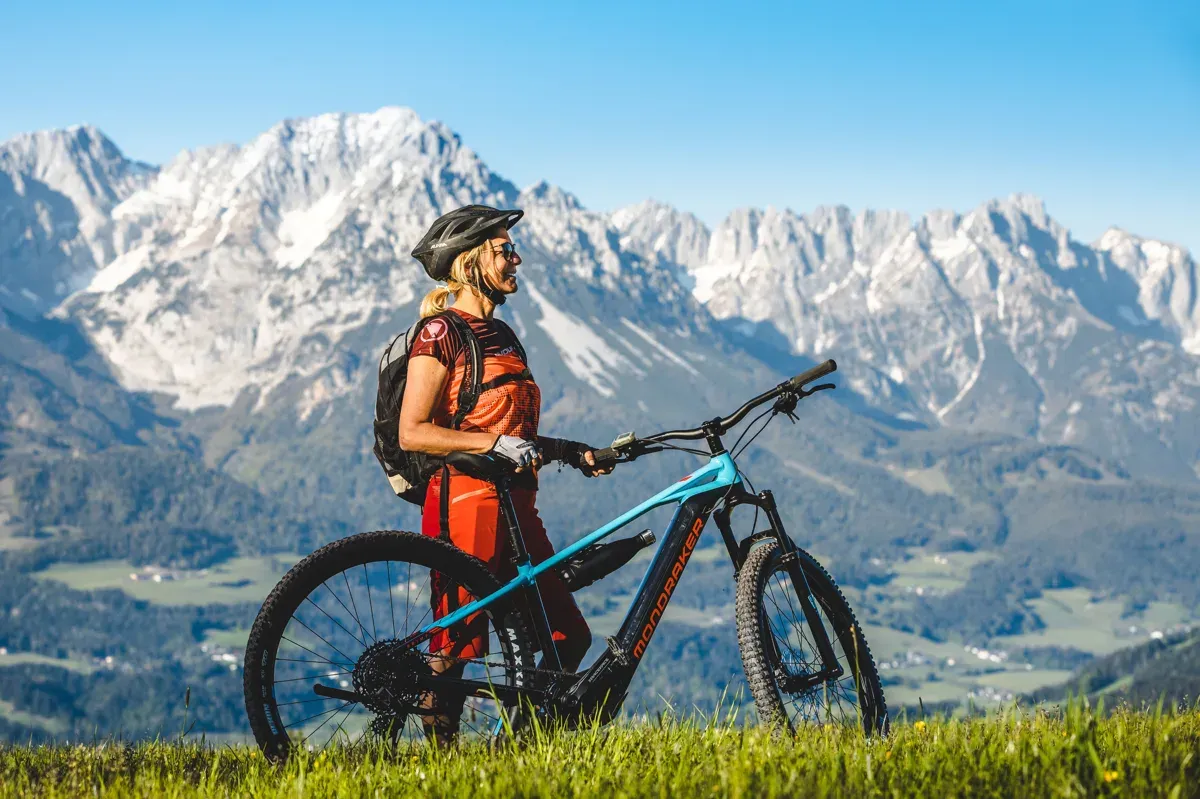
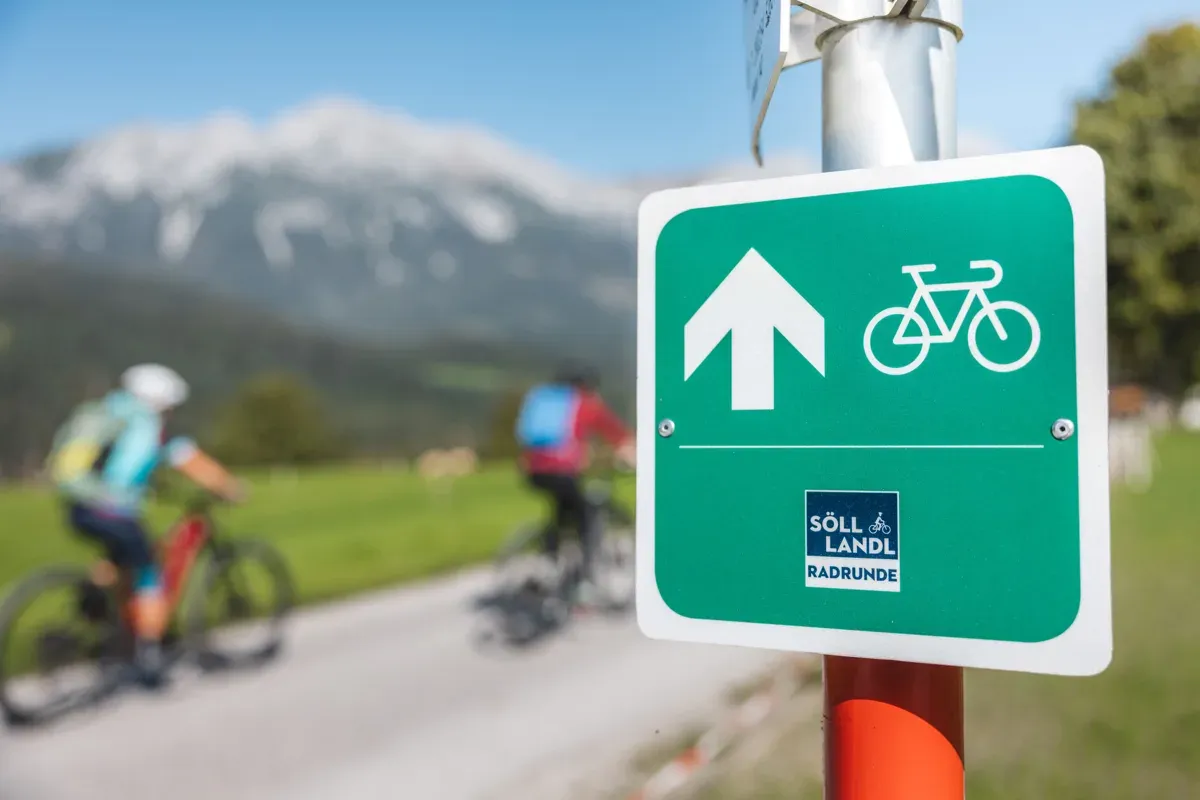
In each of the four Kaiser towns, there are several bike rental companies that offer both e-bikes and "Bio-Bikes". This makes it easy in summer to get around the region away from motorized traffic. A continuous bike path leads, for example, from Söll via Scheffau and Ellmau to Going and in both directions beyond.
RegioRad in Ellmau
What you only know from cities, is also available in Ellmau: The so-called RegioRads. These are the bikes that you can rent at SB-rental stations and use for getting around in the village. Therefore, they are not off-road mountain bikes, but practical city bikes that can be used for routes that are too far to walk but too short to drive or take a bus. For example, from the Ellmau cable car to the Kaiserbad – where there are rental stations. With the GästeCard, the first 30 minutes are free.
https://www.wilderkaiser.info/de/natur-am-wilden-kaiser.html
https://www.wilderkaiser.info/de/ramsar-schutzgebiet-moore-am-wilden-kaiser.html
https://www.tiroler-schutzgebiete.at/schutzgebiet/wilder-kaiser/
https://www.kaiserwelt.at/de/wanderbus-kaiserjet.html
https://www.wilderkaiser.info/de/wandern-in-der-region-wilder-kaiser.html